24 hr
Moreton Island Day Excursion: Snorkeling, Clear Kayaking & 4WD Sand Safari
- Expert local guide
- Small group
- Skip-the-line access
- Free cancellation
Moreton Island Snorkeling from Gold Coast — Wrecks, Reefs & Marine Adventures
Clear waters, sunken wrecks, and tropical fish — Queensland's underwater sanctuary awaits
Compare fares, pick the fit — all bookings are mobile-voucher and eligible for free cancellation where shown.
24 hr
24 hr
12 hr
Selecting the right moreton island snorkeling from gold coast experience depends on whether you prefer an all-inclusive guided adventure or a flexible self-guided visit. These moreton island snorkeling from gold coast tours ensure safe access to the famous shipwrecks while managing the logistical requirements of island transit.
|
Top pick Guided Day Tour All-inclusive convenience |
Self-Guided Hire Flexible exploration | |
|---|---|---|
| Transit method | Return ferry from Brisbane | Passenger/Vehicle ferry to island |
| Snorkeling type | Guided with boat/gear | Self-guided from beach |
| Resort access | Included | Separate booking required |
| Equipment included | Full gear provided | Available for hire |
| Best for | First-timers | Experienced independent travelers |
| See tickets & prices |
Verdict: For a stress-free experience, choose the guided day tour as your primary moreton island snorkeling from gold coast tickets option.
Worth it for marine life fans
Moreton island snorkeling from gold coast delivers clear subtropical waters, shipwrecks teeming with fish, and the chance to spot turtles—but it requires realistic expectations about travel time and ocean conditions. The journey from Gold Coast involves a ferry crossing to Tangalooma or Moreton Bay, meaning you'll spend 90–120 minutes in transit each way before reaching the actual snorkel sites. The Tangalooma Wrecks are the headline draw: 15 deliberately scuttled vessels now host tropical fish, rays, and occasionally turtles in water shallow enough for beginners. Day tours typically bundle snorkeling with kayaking and sandboarding, padding value but reducing time at each activity. Half-day options focus purely on marine encounters without the island extras. Entry to Gheebulum Kunungai National Park itself is free, though all snorkel access requires booking a tour that includes gear and boat transport. This setup works best for travelers prioritizing underwater variety over beach relaxation—the wrecks and marine life justify the logistics if you're comfortable with boat-based excursions.
Bottom line: Book moreton island snorkeling from gold coast tours if marine biodiversity outweighs your tolerance for ferry logistics—the wrecks and turtle sightings deliver, but only when conditions cooperate.
Moreton Island offers expansive, ship-wreck ocean exploration, whereas Wave Break Island provides a sheltered, quick-access site for beginners; they complement each other, but most visitors call the island shipwrecks the more adventurous choice.
|
Top pick Moreton Island |
Wave Break Island | |
|---|---|---|
| Transit Time from Gold Coast | 75–120 minutes | 10–20 minutes |
| Difficulty Level | Moderate to High | Easy |
| Snorkeling Environment | Open ocean shipwrecks | Sheltered artificial reef |
| Marine Life Variety | Diverse pelagic species | Common reef fish |
| Cost | Ferry and activity fees | Budget-friendly boat transfers |
| See tickets & prices |
Verdict: Choose Moreton Island if you want a full-day ocean adventure using moreton island snorkeling from gold coast tours, or select Wave Break Island for a convenient, low-cost trip using moreton island snorkeling from gold coast tickets for a quick aquatic escape.
Hand-picked experiences loved by thousands of travelers
3 hours
Free Cancellation
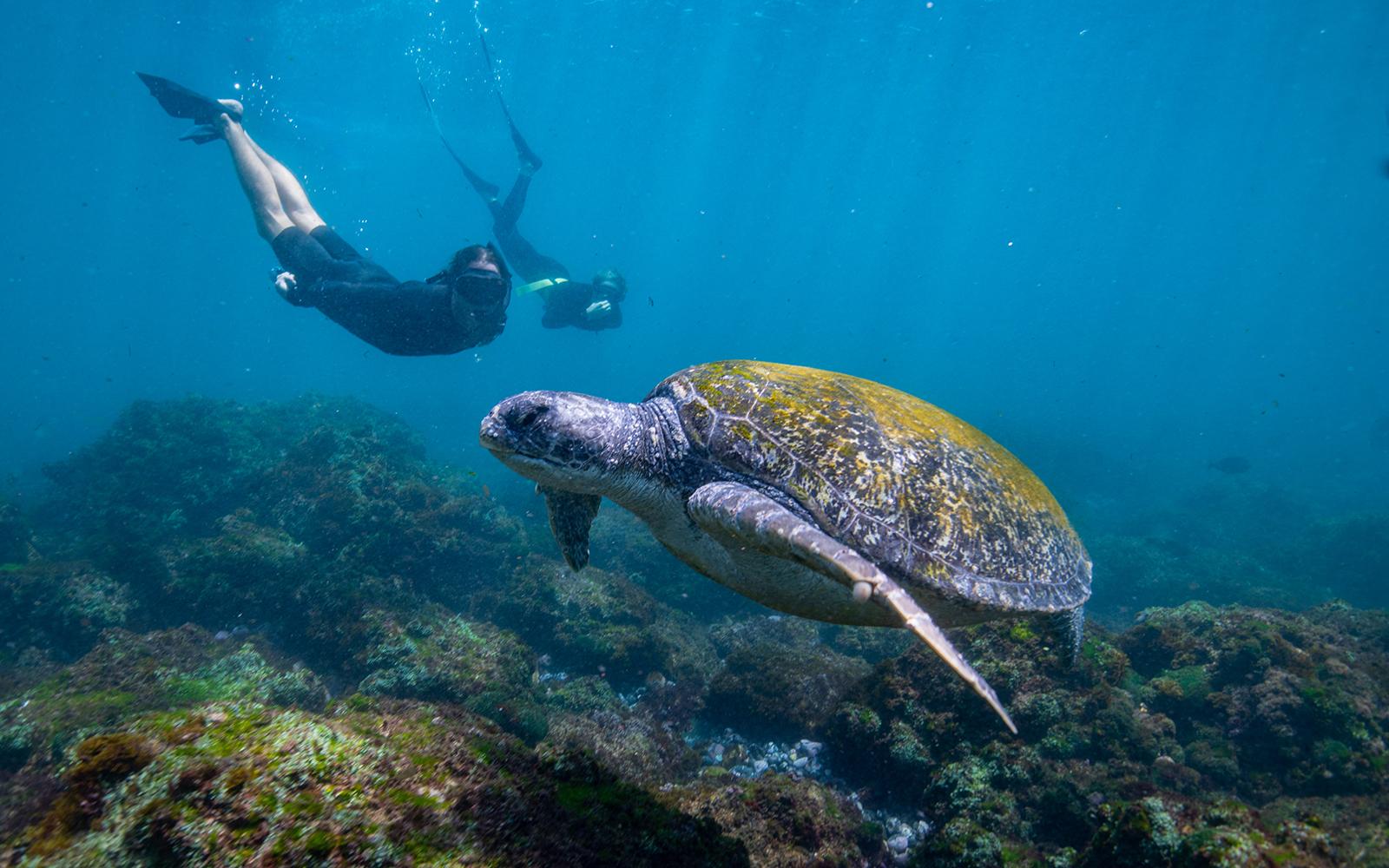
Swim alongside sea turtles in a protected marine reserve during this small-group ocean excursion
2 hours 30 minutes
Free Cancellation
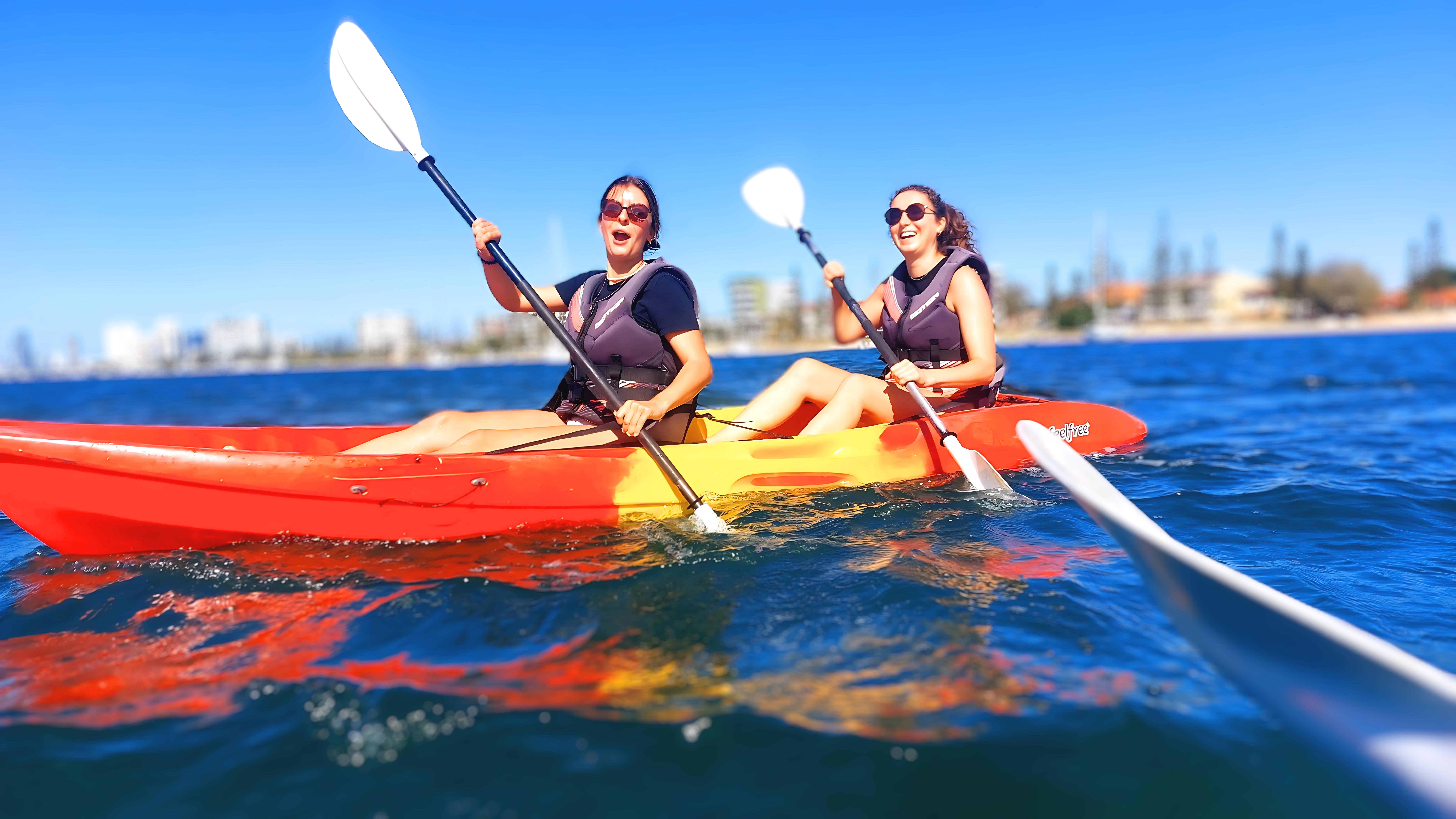
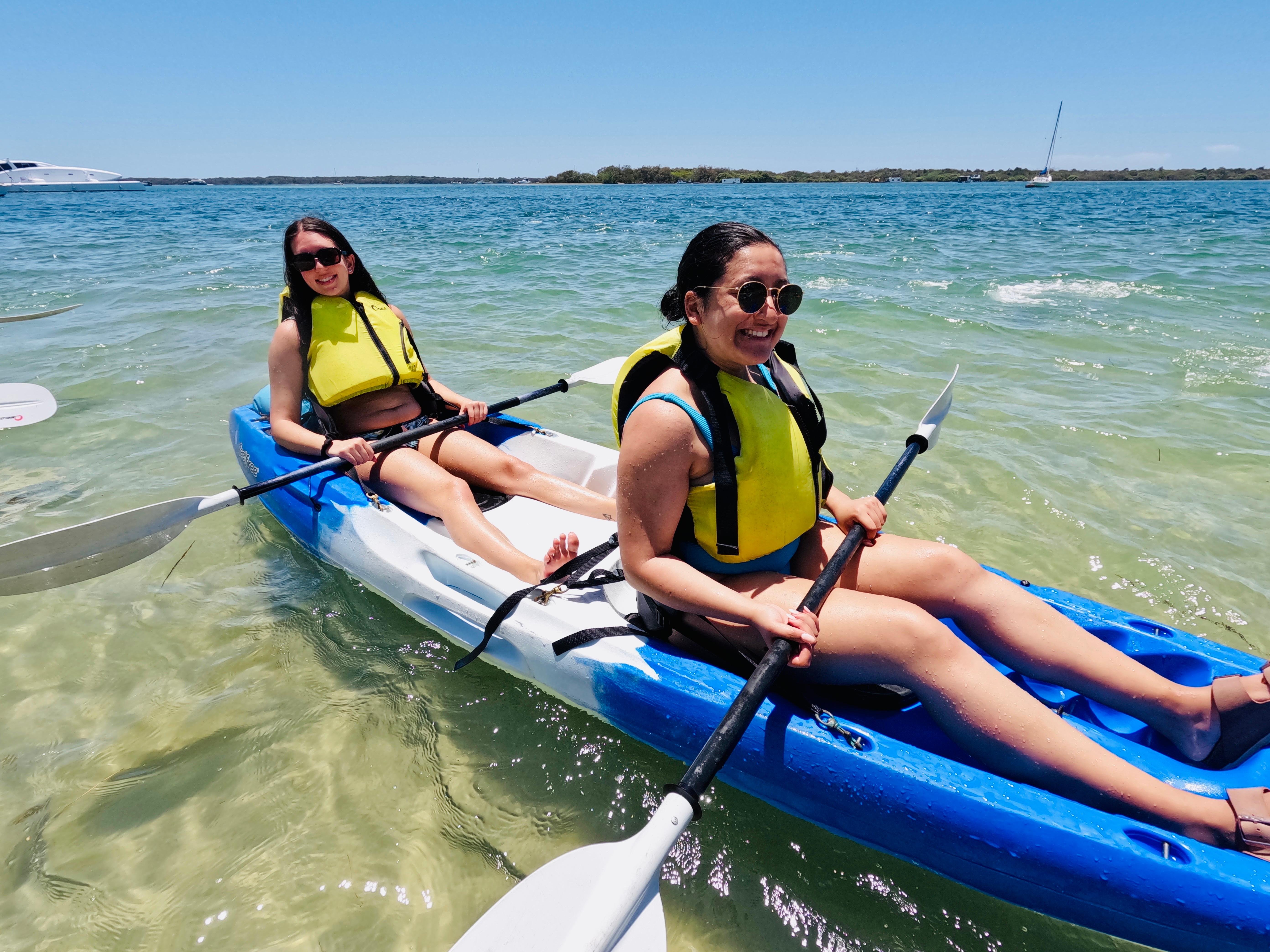
Paddle through the Broadwater, snorkel subtropical reefs, and discover Gold Coast's wild side with local guides.
2.5 hours
Free Cancellation
Explore a protected marine sanctuary and swim alongside turtles, rays, and leopard sharks in crystal-clear waters
1 day
Free Cancellation
Full-day escape to Moreton Island featuring thrilling sand dunes, pristine beaches, and exclusive resort access
2 hours
Free Cancellation
Paddle to Wavebreak Island, snorkel with tropical fish, and watch for dolphins on this relaxed 2-hour tour.
4 hours
Free Cancellation
Explore one of Australia's most fish-dense sites with over 50 species in calm, shallow waters
1 day
Free Cancellation
Full-day island escape with dolphin-spotting cruise, resort amenities, and scenic ferry rides from Brisbane
1 day
Free Cancellation
Full-day island escape with wild dolphin feeding at sunset, marine wildlife cruise, and resort access
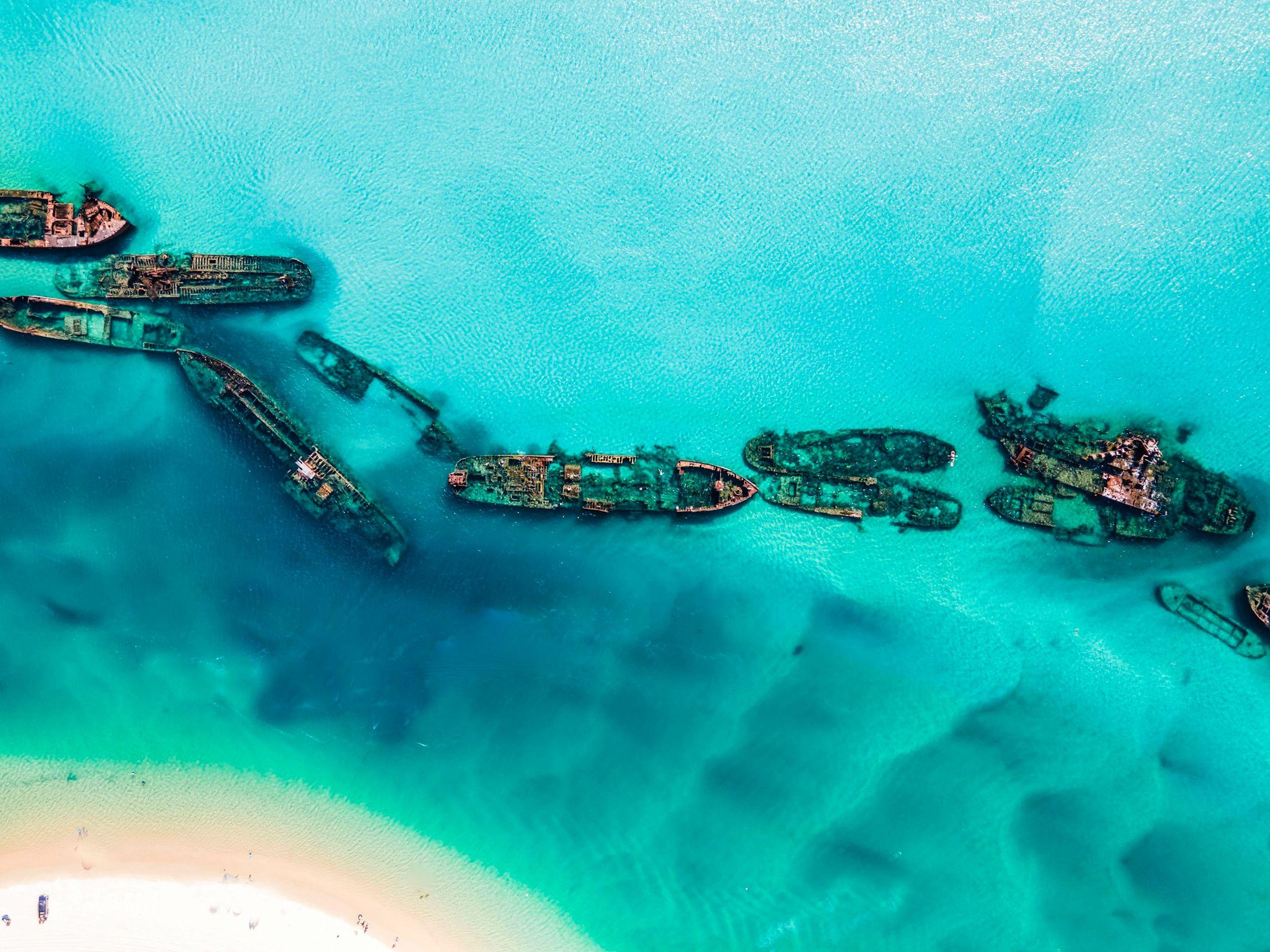
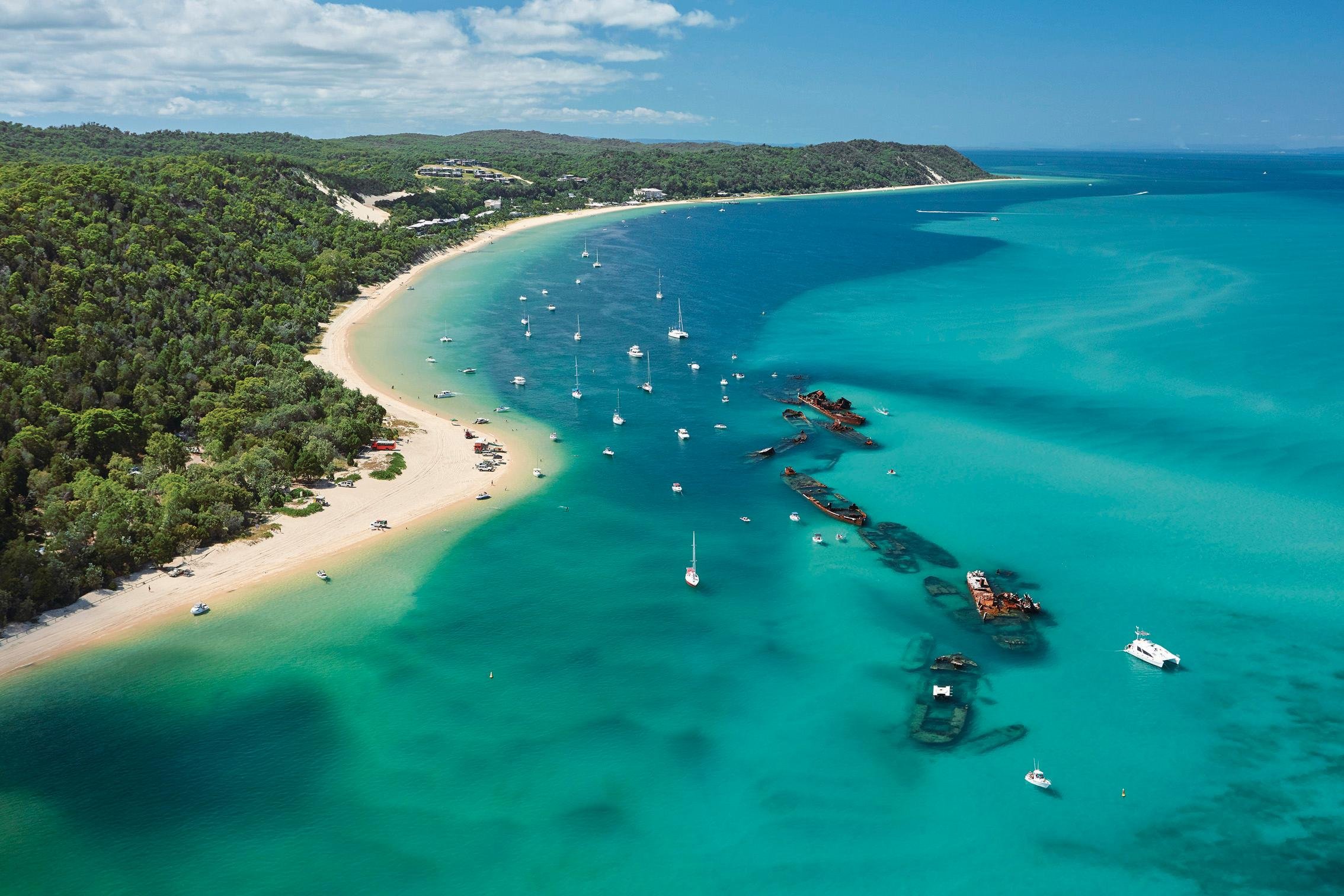
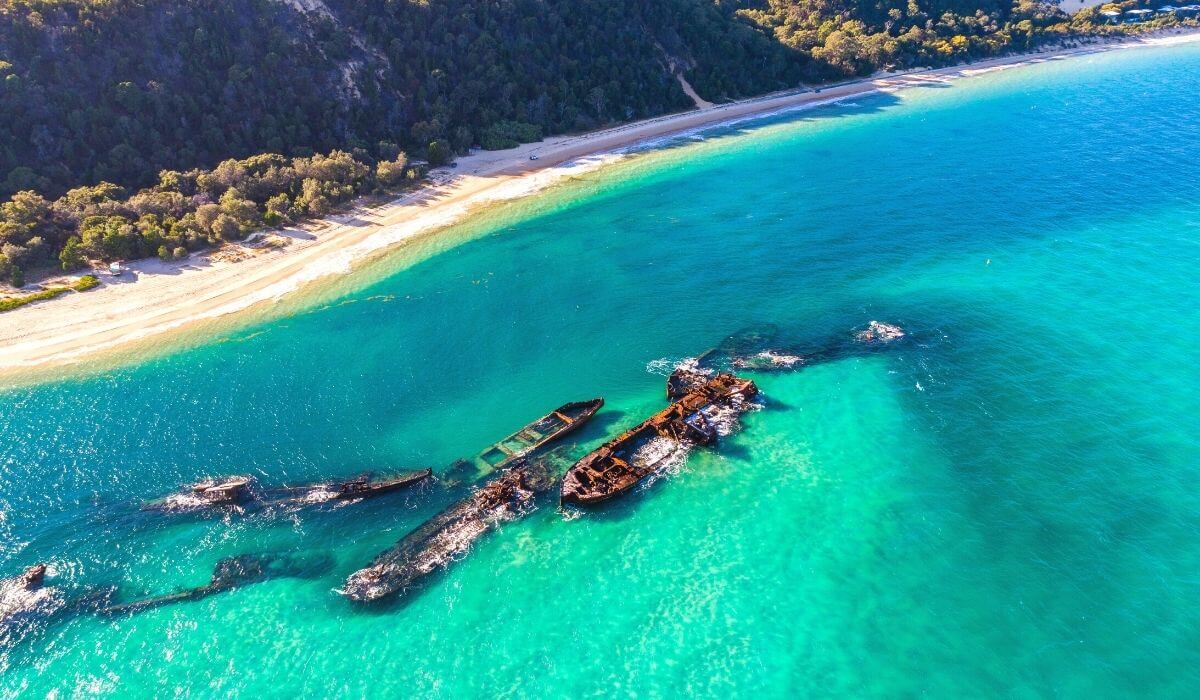
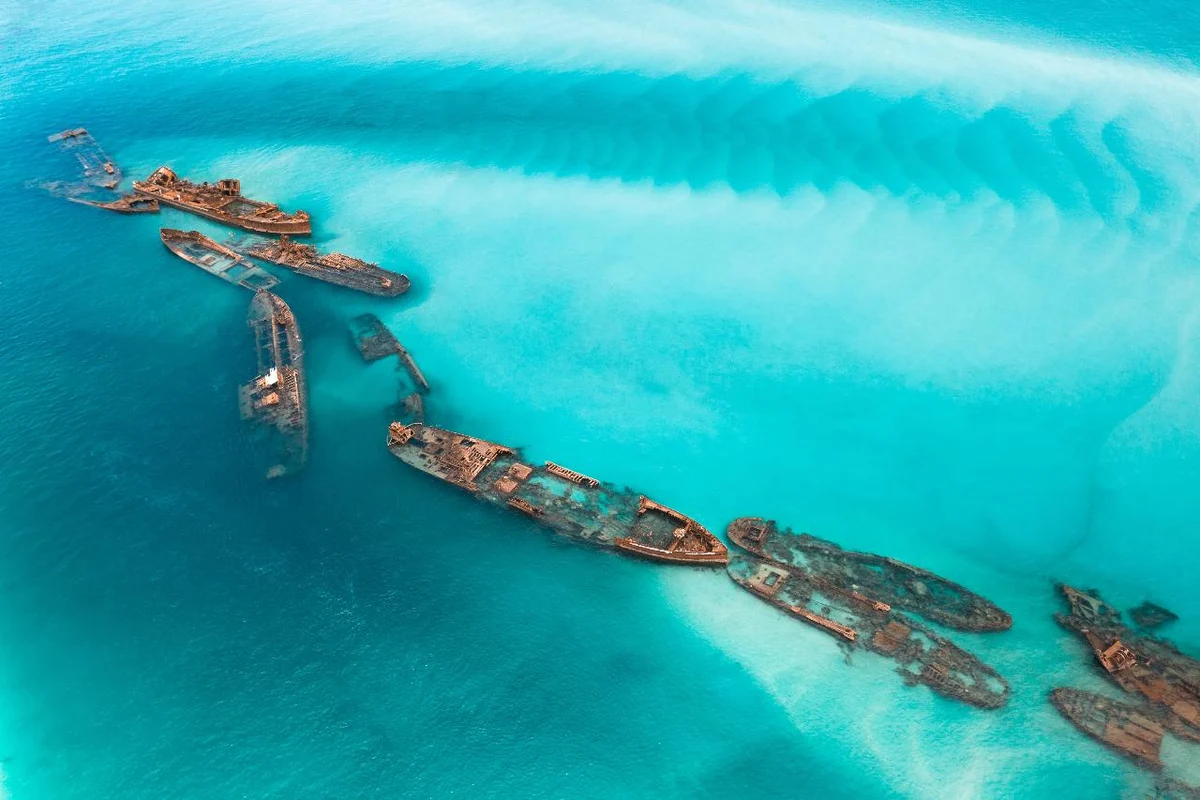
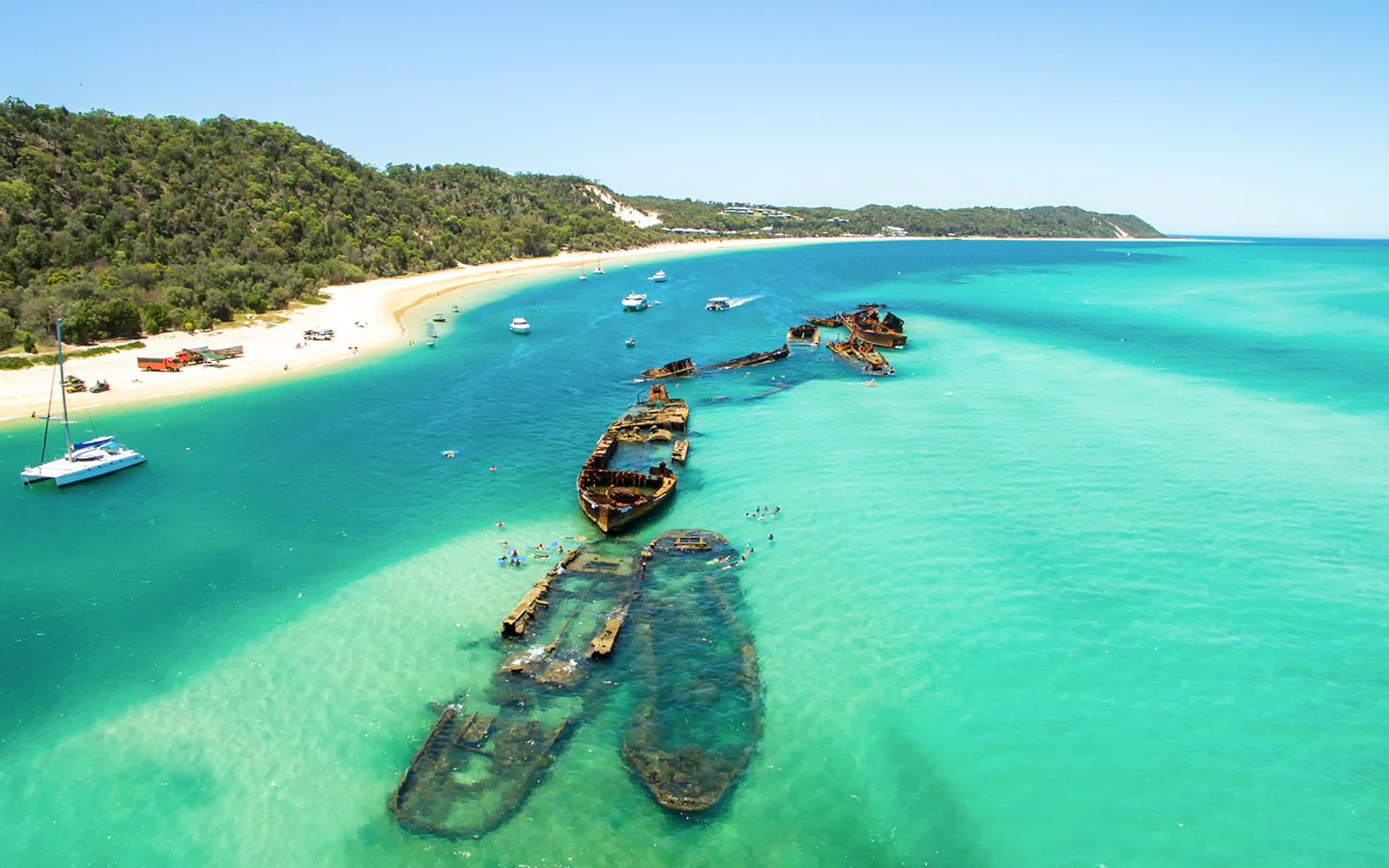
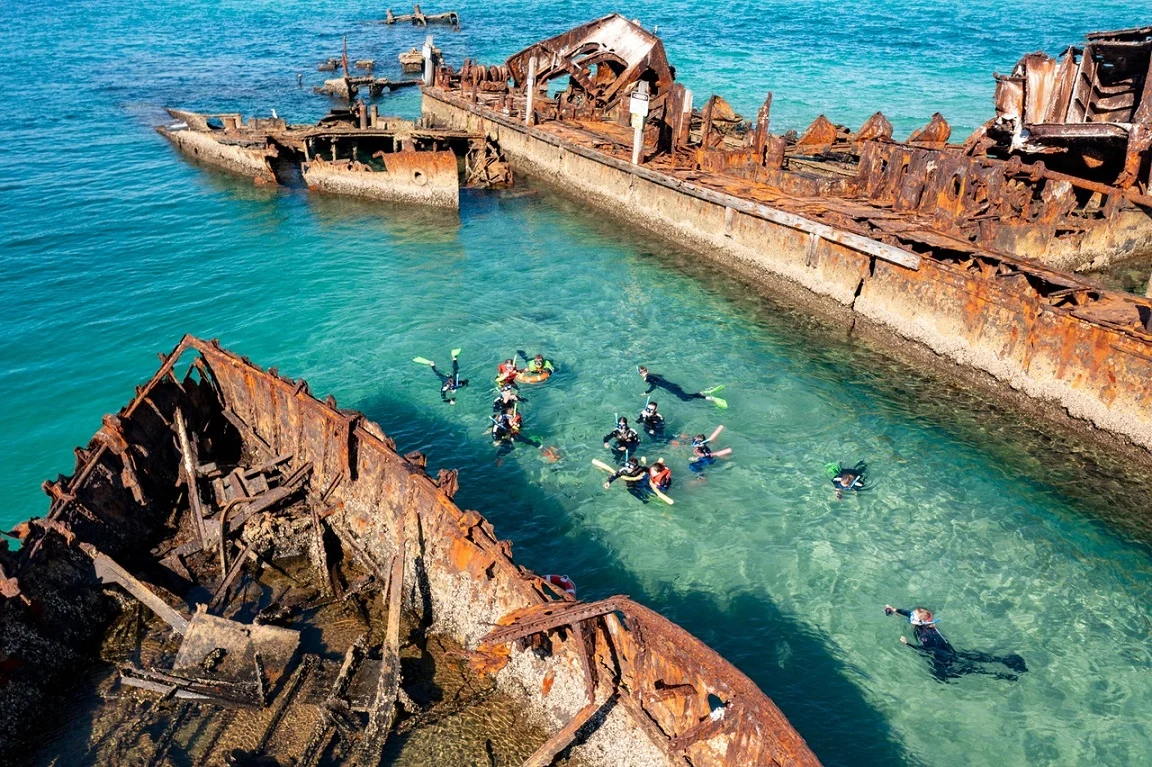
A cluster of 15 sunken vessels scuttled between 1963 and 1984 off Tangalooma's shore now forms an artificial reef and the island's primary snorkeling site. Shallow depths of around 2-4 meters make the wrecks accessible to first-time snorkelers.
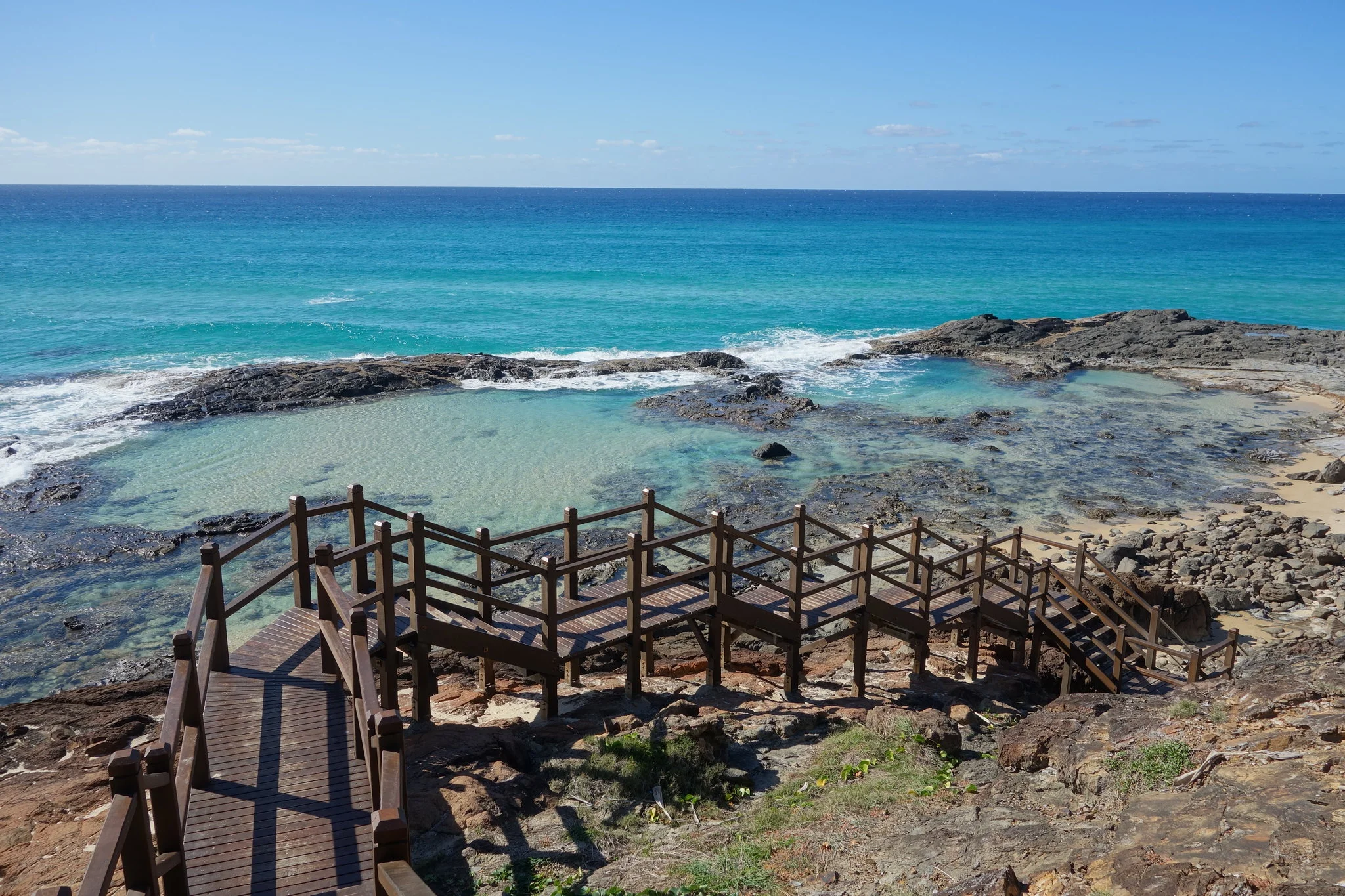
Natural volcanic rock pools near Cape Moreton where incoming waves break over a rock barrier, creating a frothing, protected pool safe for swimming. The site sits within a designated conservation zone of the national park.
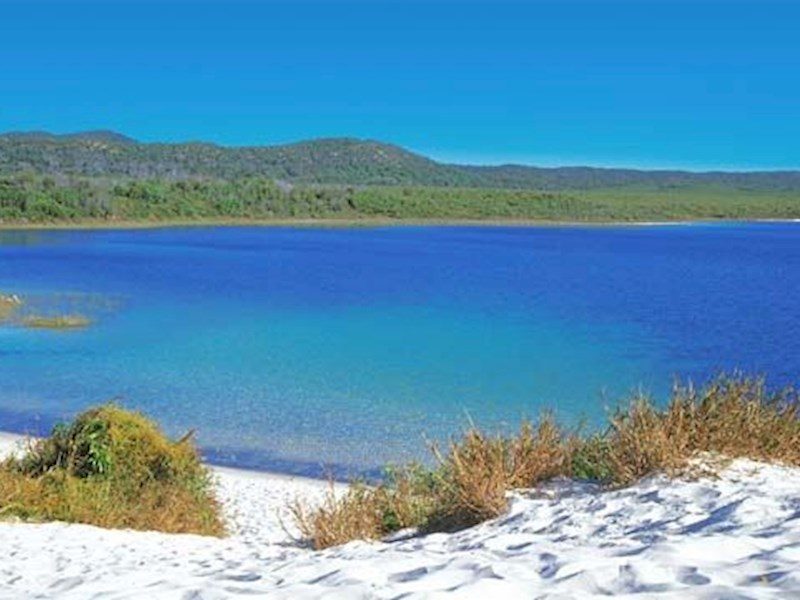
A freshwater perched lake near Bulwer fed by rainfall rather than the ocean, sitting atop the island's sand dune system. It is one of several perched lakes found on Moreton Island's sand mass.
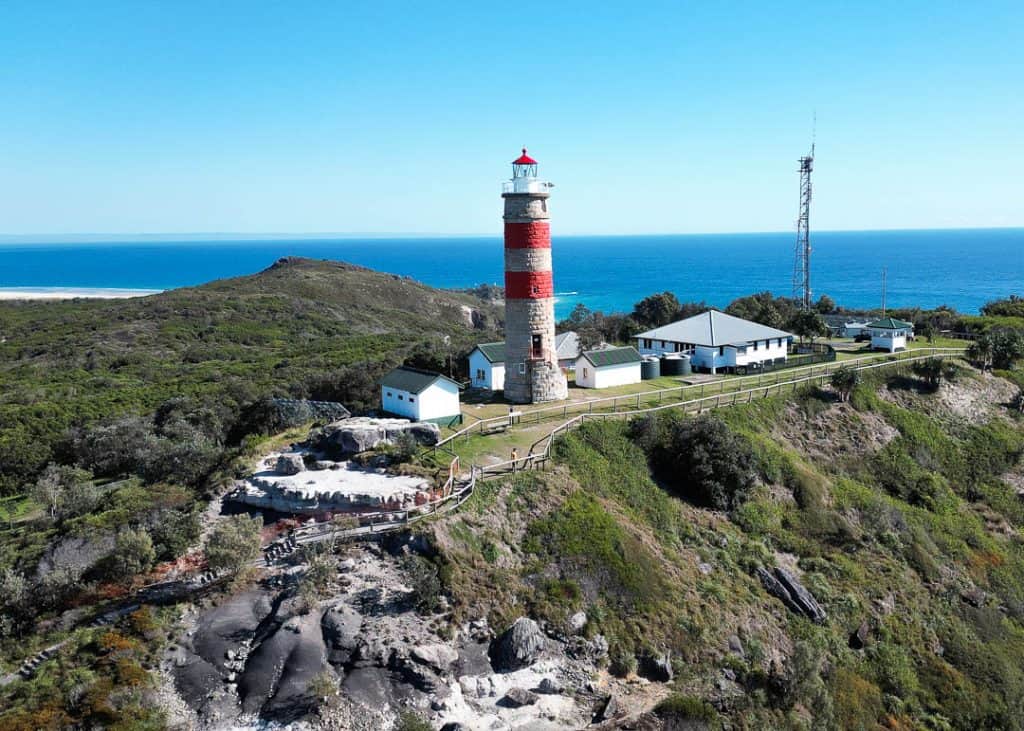
Built in 1857, this is Queensland's oldest surviving lighthouse and sits atop a headland offering views used historically for whale spotting and shipping navigation. It remains an active navigational aid today.
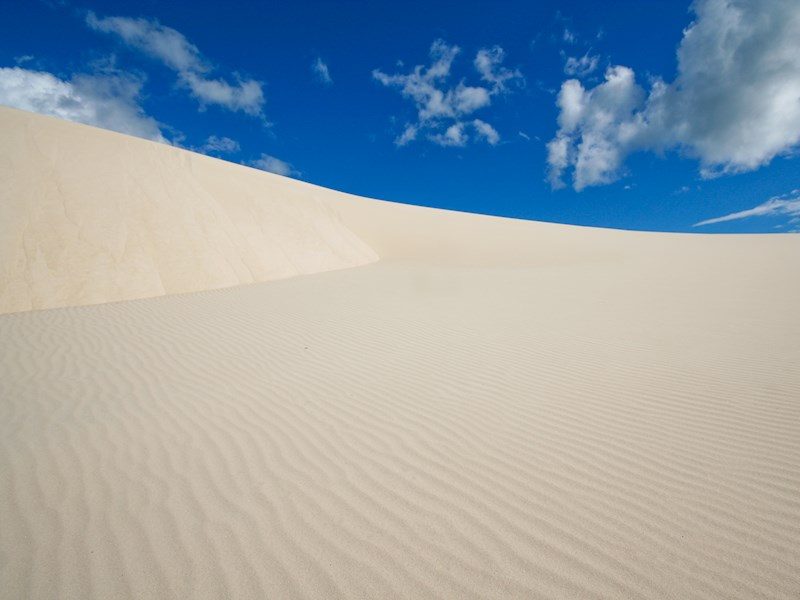
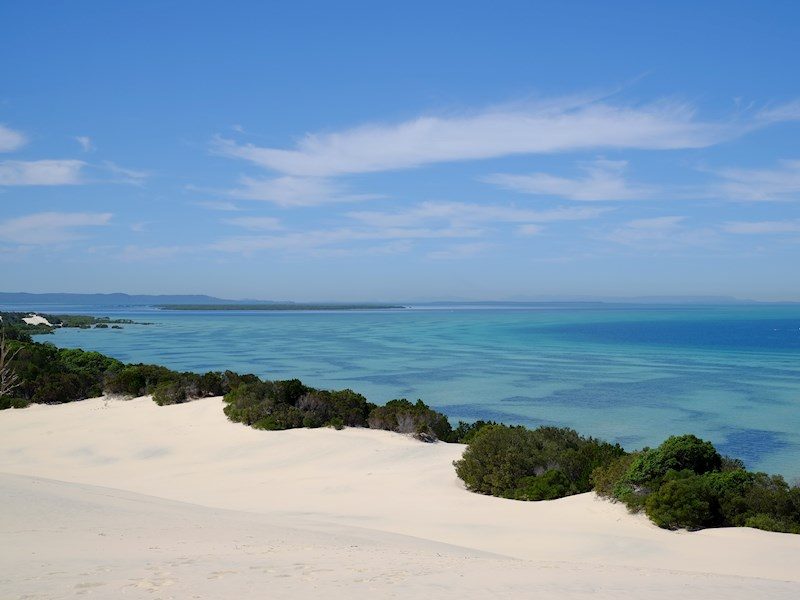
A wind-formed sand dune system rising behind Tangalooma, used for sandboarding and four-wheel-drive tours. The dunes shift gradually over time due to prevailing coastal winds.
A tidal sandspit at the island's northwestern tip where calm, shallow waters attract snorkelers and anglers alike. The point offers views across to Bribie Island and the mainland.
You board the ferry at Runaway Bay Marina before sunrise, the Gold Coast skyline receding as the vessel crosses Moreton Bay's glassy morning surface. An hour later, Moreton Island's dune ridges resolve from the haze, and the boat anchors 50 metres from the Tangalooma Wrecks.
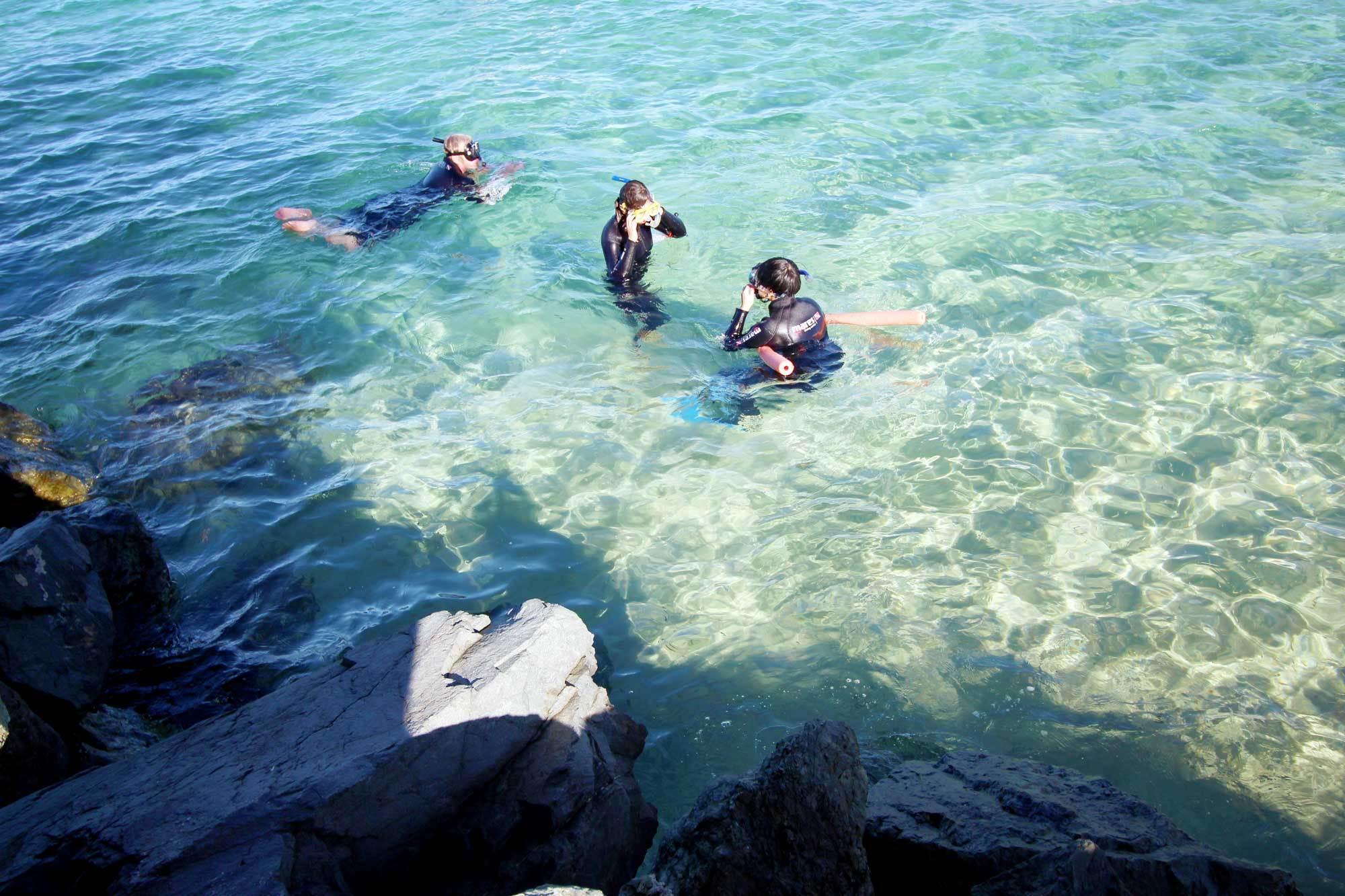
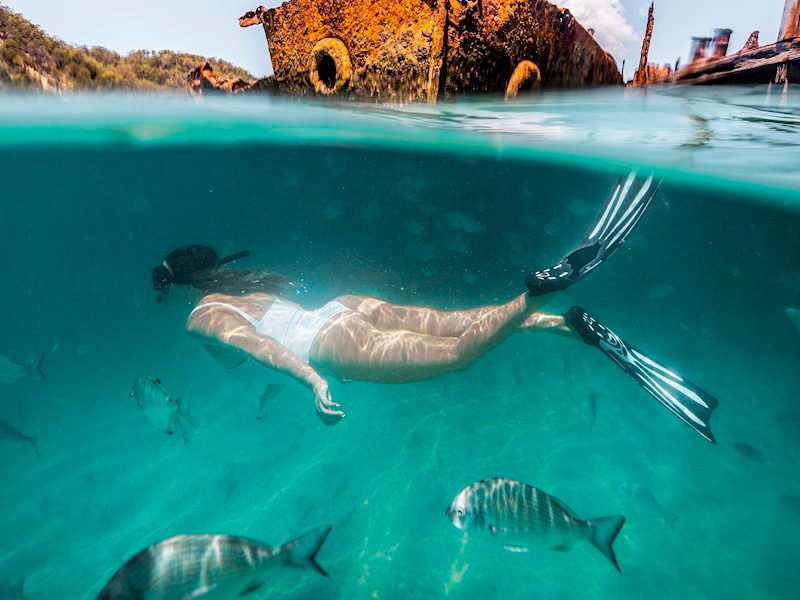
You pull on a wetsuit — the subtropical water hovers around 24°C in September, comfortable but cool enough to warrant neoprene — and adjust your mask before slipping over the gunwale. The first wreck looms immediately below, its hull encrusted with oysters and sponges, kingfish circling the stern in slow spirals. You kick toward the second vessel, where a wobbegong shark rests motionless on the sand, its patterned skin blending with scattered debris. Batfish approach within arm's reach, their flat bodies tilting as they inspect your silhouette.
After 40 minutes in the water, you return to the boat for morning tea, then transfer to a four-wheel-drive bus that climbs inland to the island's eastern beach. The driver deflates the tyres to half-pressure, and the vehicle accelerates along 30 kilometres of compacted sand, surf breaking three metres to your left. You stop at a dune slope for sandboarding, waxing the board's base before launching down a 60-metre face, fine silica spraying as you carve turns. The final stop is a freshwater lake fringed by paperbarks, where you rinse salt and sand before the return crossing. By 16:00, the ferry docks back at the Gold Coast, and you carry a mask still fogged with salt residue and a memory of fish threading through steel.
All the details about your upcoming adventure in one place
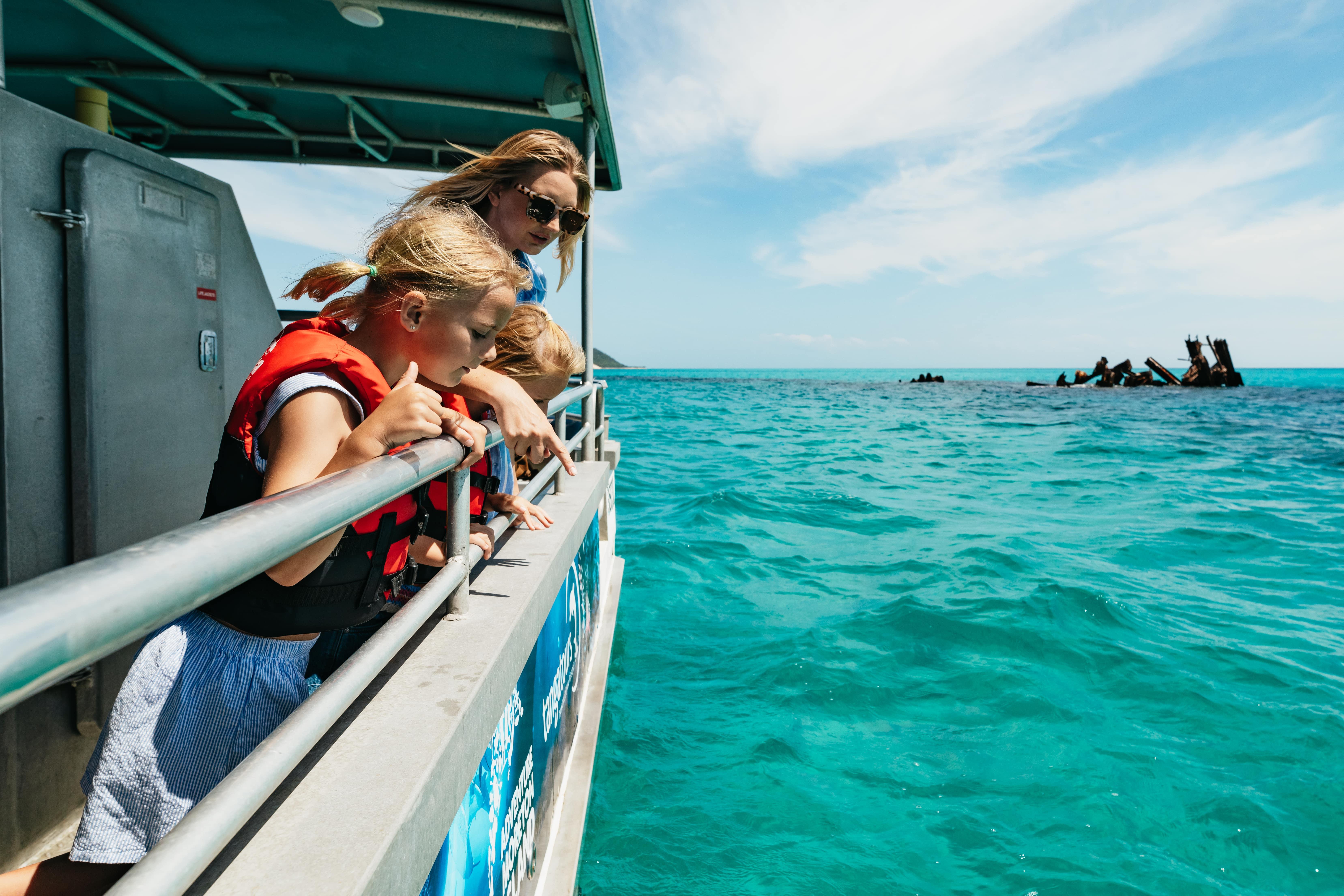
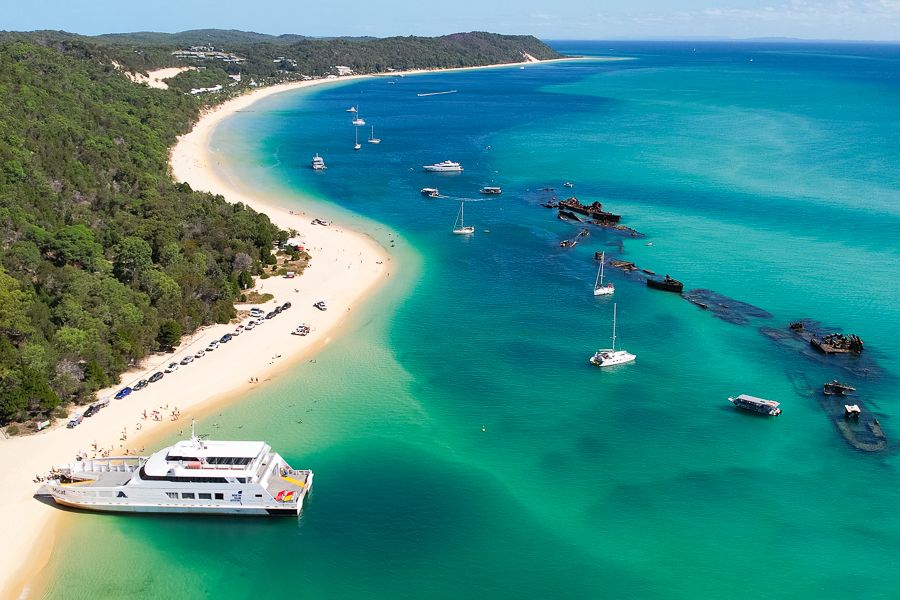
Fifteen decommissioned vessels rest in a deliberate arc 200 metres off Moreton Island's western shore, sunk between 1963 and 1984 to form a breakwater for small craft.
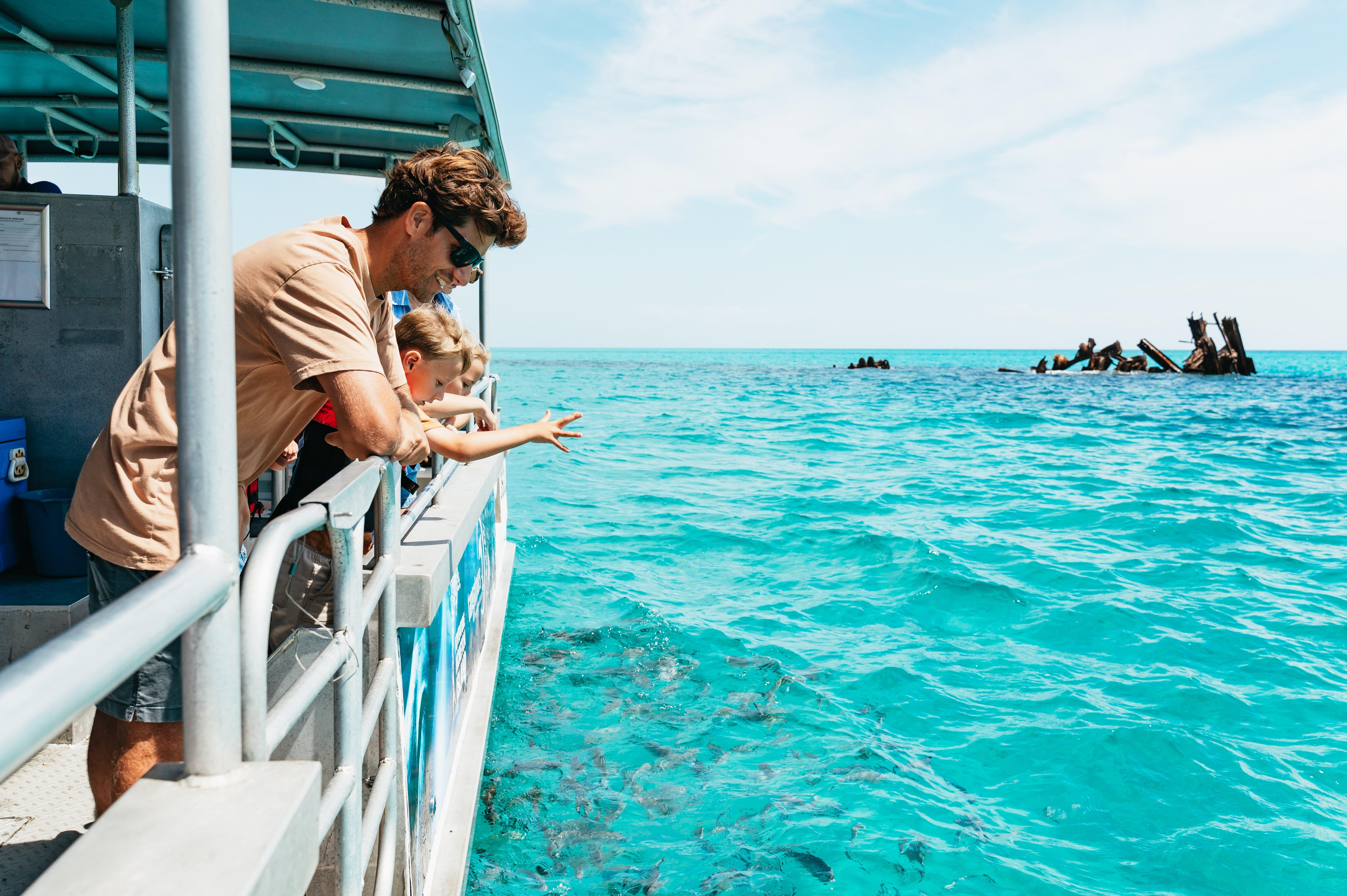
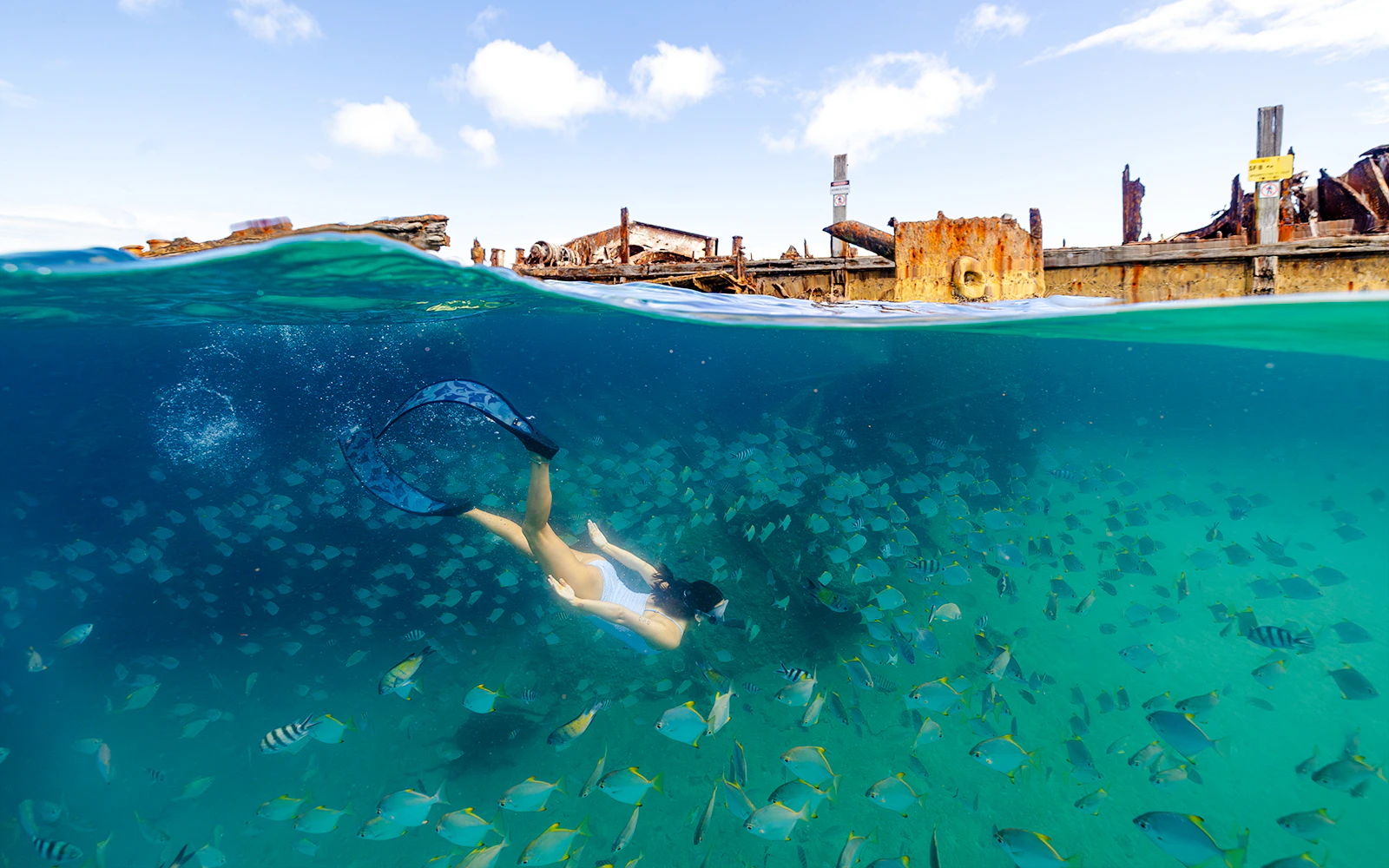
The Tangalooma Wrecks now shelter more than 100 fish species, moray eels threading through portholes and batfish drifting over rusted decks in water so transparent you can count rivets from the surface. Moreton Island — Gheebulum Kunungai to the Quandamooka people who have fished these waters for millennia — is the world's third-largest sand island, a 38-kilometre ribbon of silica dunes rising 280 metres above Moreton Bay. Its western coastline, protected from Pacific swells by the island's mass, creates a sheltered marine corridor where subtropical and temperate currents converge. Snorkeling excursions from the Gold Coast cross 75 kilometres of open water, typically departing marinas at 07:30 to reach the wrecks by mid-morning when tide and visibility align.
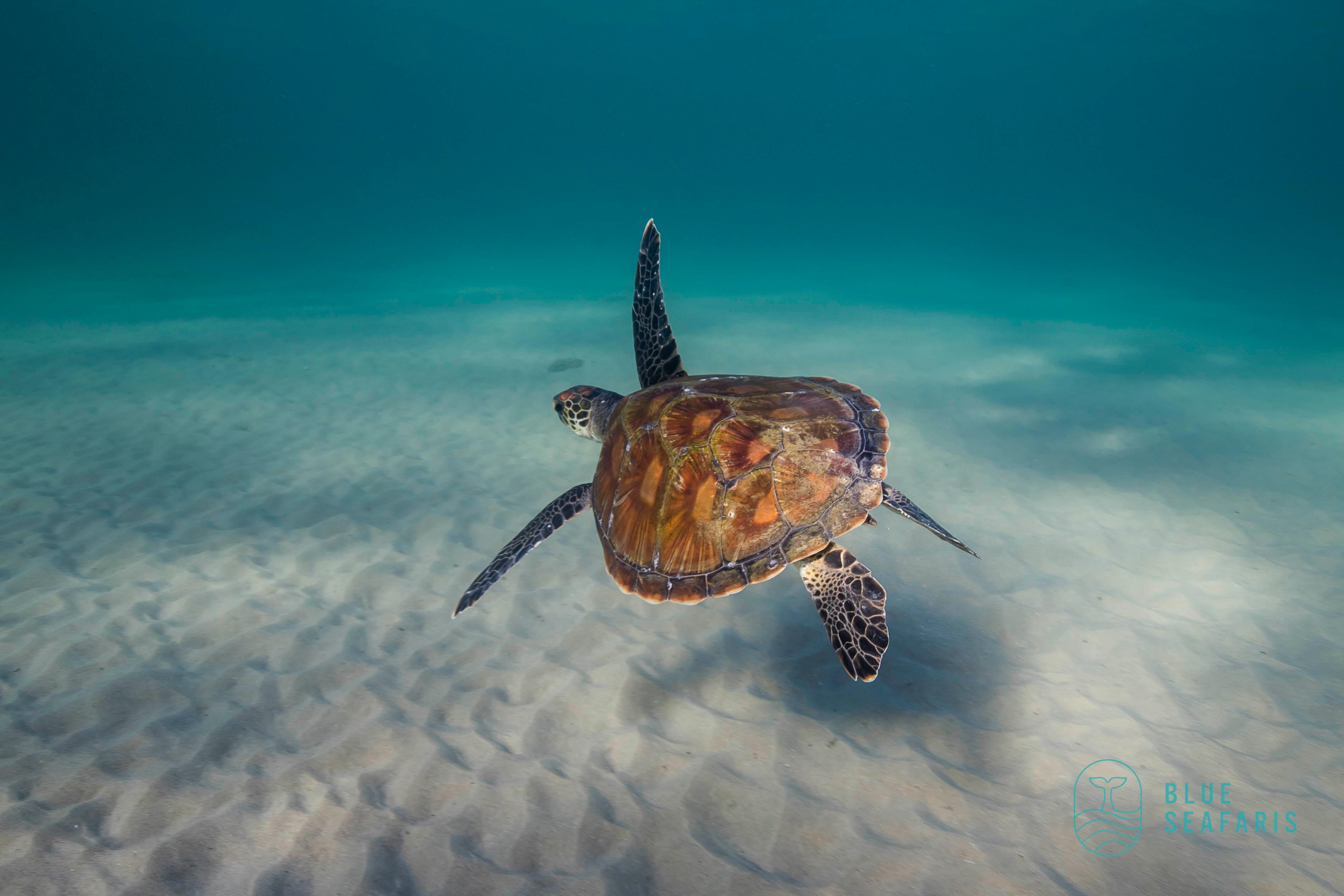
The national park designation in 1992 restricted development to a single resort and a handful of camping zones, preserving 98 percent of the island's terrestrial and marine ecosystems. Coral outcrops along the eastern reefs host green turtles, which migrate here to feed on seagrass beds that stretch unbroken for kilometres. Wave Break Island, a smaller outcrop closer to the Gold Coast, offers an alternative site where leopard sharks patrol shallow channels and schools of trevally circle submerged rock formations. Tour operators provide wetsuit hire and prescription masks, briefing snorkelers on turtle approach protocols and surge patterns before entering the water. The wrecks themselves lie in three to five metres of depth, accessible to first-timers yet detailed enough to reward experienced divers who freedive to examine propeller housings and collapsed smokestacks.
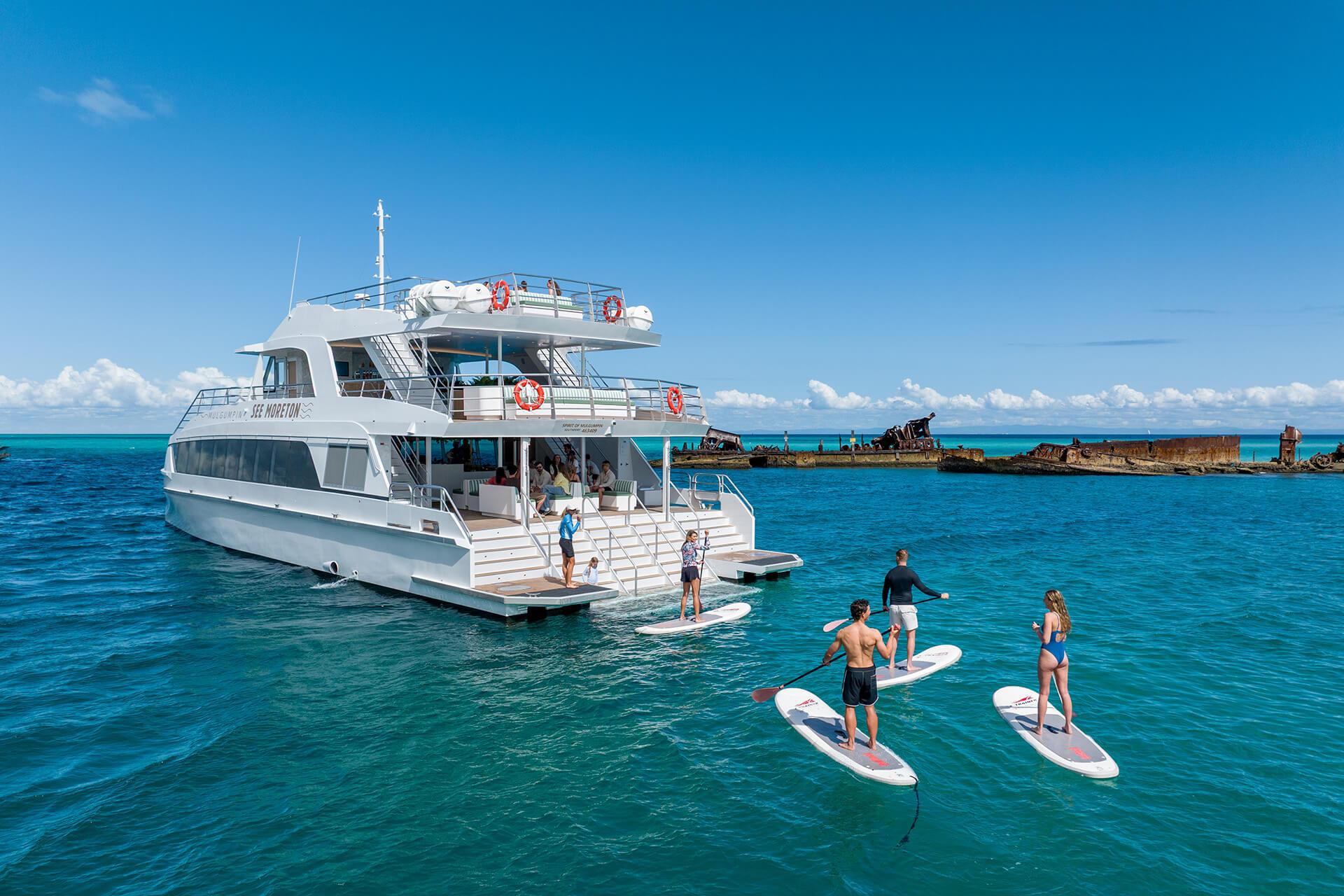
Clear kayaking has emerged as a hybrid activity, allowing participants to glide above the wrecks in transparent-hulled vessels while maintaining a dry vantage. Four-wheel-drive transfers inland reveal the island's other character: parabolic dunes that shift annually, freshwater lakes perched 100 metres above sea level, and sand highways where humpback whales breach offshore during their June-to-November migration. Day excursions bundle snorkeling with sandboarding descents and guided drives to Cape Moreton Lighthouse, a 1857 structure that warned ships away from the wrecks' predecessors. The wreck site's fame has grown steadily since recreational diving operators began mooring there in the 1980s, yet strict anchoring regulations and daily visitor caps prevent the habitat degradation seen at more commercialised reef sites. Moreton island snorkeling from gold coast remains one of Southeast Queensland's most biodiverse marine encounters, a place where human engineering and natural colonisation have fused into an unintended sanctuary.
Fifteen decommissioned vessels now shelter more than 100 fish species in water so transparent you can count rivets from the surface.
Wear a swimsuit under quick-dry clothing since you will be in and out of the water around the Tangalooma wrecks and Moreton Island's other snorkel sites. Reef-safe sunscreen, a rash vest, and a hat are recommended given the exposed, high-UV sand island environment.
Bring only a soft daypack or dry bag, as most Moreton Island snorkeling from Gold Coast vessels have limited storage and no lockers. Operators do a basic safety briefing and gear check before boarding rather than a security screening.
Photography and underwater cameras or GoPros are welcome at all snorkel sites, including the Tangalooma wrecks, with no permit required for personal, non-drone use. Drone use is restricted within Moreton Island National Park and around the wreck site without prior authorization from Queensland Parks and Wildlife.
Children are welcome on most Moreton Island snorkeling from Gold Coast tours, with flotation vests and shallow sites like the Tangalooma wrecks suited to younger swimmers. Minimum age and swim-ability requirements vary by operator, so check the specific tour listing.
Moreton Island's soft sand tracks and the barge/ferry transfer make wheelchair access limited, and most snorkeling tours require walking or wading from the boat to the water. Some operators can accommodate limited-mobility guests with advance notice; contact the specific tour operator before booking to confirm boat and site suitability.
Bringing your own snacks and bottled water onto the boat is permitted, and reusable water bottles are encouraged over single-use plastic. Alcohol policies vary by operator; some day cruises include a licensed bar while others restrict outside alcohol entirely.
National park, no gate hours
Hours: Open 24 hours, every day (national park)
location
Opening hours
00:00 – 23:59
Getting there
City-center access via metro and bus
Accessibility
Most experiences are wheelchair-friendly — check individual tours
What to bring
Comfortable shoes, water, phone for mobile voucher
Car · 45-60 min drive plus 75-90 min crossing · Parking fees vary by terminal
Drive to the Gold Coast Marine Terminal or a designated pickup point, then join the operator's ferry or barge crossing to Moreton Island since no bridge or vehicle ferry direct from the Gold Coast city center exists.
Most Moreton Island snorkeling from Gold Coast tours allow free cancellation up to 24-48 hours before departure, with refunds processed to the original payment method. Because national park entry itself is free, cancellation terms apply only to the ferry and snorkeling tour charges, not to any park fee.
Recommended time
Full day
To experience moreton island snorkeling from gold coast, plan for a full day to allow for ferry transit and tidal variations at the Tangalooma Wrecks. Arriving during the 07:30–10:00 window is necessary to secure space before midday crowds peak near the coral formations and marine life. You may consider booking moreton island snorkeling from gold coast tours to manage logistics, or purchase moreton island snorkeling from gold coast tickets for independent transit. Those seeking a moreton island snorkeling from gold coast tour experience should monitor current wind conditions as they impact water clarity.
Crowd levels through the day
Weather · crowds · average price — dots go green to amber to red as each metric rises.
Water temperatures climb toward the low-20s Celsius and winds are typically calmer, making September through November a comfortable window for Moreton Island snorkeling from Gold Coast trips. School holiday crowds are lighter outside late September.
Summer weekends and school holidays sell out fast for Moreton Island snorkeling from Gold Coast trips, so reserve at least a week ahead in December and January.
Gold Coast, Queensland
Common coach and ferry departure point for day tours
Get directionsMoreton Island's transformation into a snorkeling destination traces back to the deliberate sinking of fifteen vessels between 1963 and 1984, creating what would become the Tangalooma Wrecks. The Queensland government approved the scuttling of these decommissioned ships to form a protected harbour for tourist ferries and recreational vessels at the Tangalooma resort, which had opened in 1962 on the site of a former whaling station. The rusted hulls, positioned in shallow water just metres from shore, rapidly attracted marine life and became an accidental reef ecosystem. By the 1970s, divers and snorkelers from Brisbane began exploring the wrecks, discovering thriving colonies of tropical fish sheltering in the corroded steel structures. The route from the Gold Coast emerged in the 1990s as tour operators recognized demand from international visitors staying in Surfers Paradise and Broadbeach who wanted multi-activity island experiences. Early moreton island snorkeling from gold coast operators combined ferry transfers with dolphin feeding at Tangalooma, but shifted focus after 2003 when the resort restricted public access to its dolphin programme. Independent charter services began offering direct snorkeling excursions, capitalizing on the wrecks' unique appeal as submerged heritage accessible to novice swimmers. Cyclone Oswald in January 2013 damaged several wrecks, scattering debris and altering underwater topography, forcing temporary closures and prompting marine park authorities to install moorings to prevent further deterioration from boat anchors. Today the Tangalooma Wrecks attract over 100,000 snorkelers annually, with moreton island snorkeling from gold coast tours accounting for approximately thirty percent of that traffic. The site remains free to access within Gheebulum Kunungai National Park, though commercial operators must hold permits issued by Queensland Parks. Environmental monitoring since 2018 has documented 120 fish species inhabiting the wrecks, including schooling trevally, wobbegong sharks, and seasonal turtle migrations, validating the artificial reef's ecological success six decades after the first hull settled into the sand.
Tangalooma resort opens on the site of a former whaling station, establishing island infrastructure.
Fifteen vessels deliberately scuttled to create a protected harbour, inadvertently forming an artificial reef.
Gold Coast operators begin offering combined ferry and snorkeling packages to capitalize on visitor demand.
Tangalooma restricts dolphin programme access, prompting tour operators to prioritize wreck snorkeling experiences.
Cyclone Oswald damages several wrecks, scattering debris and prompting marine park conservation measures.
Environmental monitoring documents 120 fish species, confirming the wrecks' role as a thriving marine ecosystem.
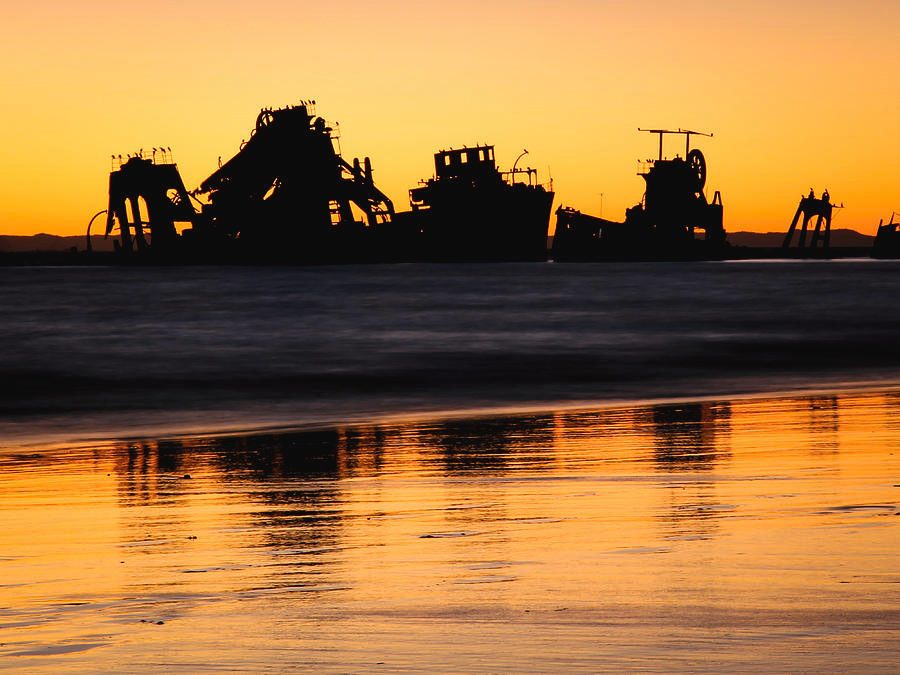
Stand on the sandy shore facing the semi-submerged steel hulls to capture the juxtaposition of rusted metal against turquoise waters while planning your moreton island snorkeling from gold coast excursion.
Position your waterproof camera just beneath the surface at this popular access zone to photograph the school of tropical fish swimming through the clear channel.
Navigate to the outer edge of the sunken ships where the deeper water offers high visibility for shots of the ship skeletons framed by sea grass.
Walk to the southern end of the wrecks at low tide to capture the full length of the ships mirroring on the wet sand, a popular choice for those researching moreton island snorkeling from gold coast tickets.
Planning your moreton island snorkeling from gold coast trip requires balancing boat transit times with the energy levels of younger swimmers. Managing this island environment involves preparation for changing tides and open-water conditions near the shipwrecks.
Most operators suggest children be at least 6 years old for open-water snorkeling, though younger kids can enjoy the shallow shorelines. Check if your chosen moreton island snorkeling from gold coast tour provides child-sized masks and fins to ensure a proper fit.;Life Jackets
Visitors planning a moreton island snorkeling from gold coast excursion will find that dining options are concentrated primarily within the Tangalooma resort area. Beyond this hub, the national park remains largely undeveloped, making it essential to bring provisions for those exploring remote reefs or seeking a calm Moreton Island snorkeling from gold coast tour experience.
Offers a variety of wood-fired pizzas and Asian-inspired dishes in a relaxed setting. Ideal for dinner after completing your moreton island snorkeling from gold coast tickets activities.
Everything you need to know for your journey
Moreton Island National Park itself has no gate hours and is accessible 24 hours a day, though the actual Moreton Island snorkeling from Gold Coast tour departs and returns on a fixed ferry schedule set by the operator.
Entry to Gheebulum Kunungai (Moreton Island) National Park is free; only the ferry crossing and the snorkeling tour itself carry a cost.
Arriving between 07:30 and 10:00 is recommended, since it helps you avoid crowds and gives you the most daylight for snorkeling around low tide.
Yes, most Moreton Island snorkeling from Gold Coast tours welcome children, with flotation vests provided and shallow entry points near the Tangalooma wrecks, though minimum age policies vary by operator.
Wear a swimsuit under quick-dry clothing, plus reef-safe sunscreen and a hat, since the island offers little shade and you will move between the boat and the water repeatedly.
Yes, bringing your own snacks and water is generally allowed on the boat; alcohol policies differ between operators, so check your specific tour listing.
Prohibited items include glass bottles, spearfishing gear without a permit, coral or shell collecting tools, unauthorized drones, and single-use plastics, among others listed in the park guidelines.
Access is limited due to soft sand tracks and the ferry transfer, but some operators can accommodate limited-mobility travelers with advance notice.
Most Moreton Island snorkeling from Gold Coast tours allow free cancellation 24-48 hours before departure with a refund to your original payment method, since the park entry itself carries no fee to refund.
You travel by ferry or barge across Moreton Bay from a Gold Coast or Brisbane-area terminal, as no bridge connects the island to the mainland.
Photography is welcome at all snorkel sites including the wrecks, though drone use is restricted within the national park without prior authorization.
Nearby options include the Tangalooma sand dunes, Cape Moreton Lighthouse, the Champagne Pools, and Blue Lagoon, all reachable within a 25-minute drive of the main snorkel sites.
Large sand dune system used for sandboarding and quad tours, formed by wind erosion over centuries. Panoramic views of Moreton Bay open up from the higher dunes.
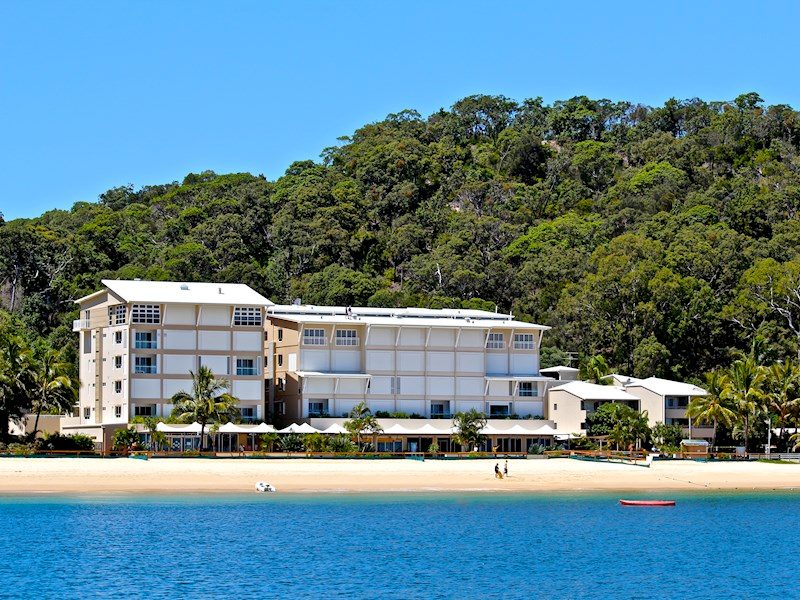
The main on-island resort near the Tangalooma wrecks, offering rooms and self-contained units for multi-day stays.
Join thousands of happy travelers who have discovered this incredible experience
Book Your Experience Now