
Quick answer
Moreton Island snorkeling hire is available through resort-based operators at Tangalooma, mainland tour packages that include gear, and independent rental services at Bulwer. Standard mask-and-snorkel sets typically cost between 15 and 25 AUD for half-day use, with full wetsuit packages running 35 to 50 AUD. Advance booking during school holidays and summer weekends is recommended, as on-island inventory is limited.
Moreton Island's permanent population sits below two hundred, yet its surrounding waters host over three hundred fish species and a dozen accessible dive sites within snorkeling depth. The infrastructure reflects that imbalance—gear availability is functional but constrained, shaped by the island's vehicle-barge access and absence of year-round retail competition. Most snorkelers hire equipment through one of three channels. Tangalooma Island Resort maintains the largest on-island inventory, offering daily rentals to resort guests and day visitors through its watersports desk. The operation stocks standard silicone masks, dry snorkels, adjustable fins and spring wetsuits in sizes from child through adult extra-large. Bulwer General Store, near the northern ferry terminal, runs a smaller hire service primarily serving campers and self-sufficient travelers. Mainland tour operators—departing Brisbane and the Redcliffe Peninsula—bundle snorkel sets into their day-trip packages, eliminating the need for separate rental but locking you into group schedules. Gear quality varies. Resort and tour-supplied equipment skews toward durable recreational models—tempered-glass lenses, adjustable buckles, replaceable snorkel purge valves. Independent operators often stock older inventory with scratched lenses or stiff fin straps. Prescription-lens masks are rare across all outlets. If you wear glasses, contact lenses or a low-prescription universal mask are the practical solutions. Wetsuits are three-millimeter spring suits or shorties, adequate for Queensland's 21-to-27-degree water but not designed for extended cold-water immersion. Moreton Island snorkeling hire operates within the constraints of a protected national park with limited commercial zones. No rental kiosks line the beach; you collect gear from a central desk, often alongside booking other activities. Return windows are firm—miss the afternoon ferry and you may incur overnight fees. The Tangalooma Wrecks remain the primary snorkel zone, a fifteen-vessel scuttling from 1963 that now hosts wobbegong sharks, trevally and seasonal turtle activity. Flinders Reef and Bulwer's rocky foreshores offer quieter alternatives when the wrecks are crowded, though access requires your own transport or a guided excursion. Rental agreements typically include a damage waiver but exclude loss coverage. Secure your gear between swims—wind and tidal movement have carried unattended fins into deeper channels. Rinse equipment in fresh water before return; salt and sand accelerate wear and some operators charge cleaning fees for neglected items.
“The infrastructure reflects that imbalance—gear availability is functional but constrained, shaped by the island's vehicle-barge access and absence of year-round retail competition.”
Getting to Moreton Island for Snorkeling Hire
Moreton Island is located off the coast of Brisbane and is accessible only by boat, as there is no bridge connecting it to the mainland. Visitors must book a ferry or barge service in advance to transport themselves and their vehicles across the bay.
MICAT Ferry from Port of Brisbane to Moreton Island
Tangalooma Passenger Ferry from Holt Street Wharf to Moreton Island
4WD vehicle transfer via MICAT barge
How to Hire Snorkeling Gear on Moreton Island
Arranging snorkeling gear on Moreton Island requires advance booking with a tour operator or resort, since no walk-up hire shops exist on the island. The process takes 10–15 minutes once you arrive at your collection point.
Book with a tour operator
Reserve snorkel sets through a day-tour provider or resort before you travel; most include gear in the package price rather than charging separately. Confirm the collection location—usually Tangalooma Resort or your tour's beach departure point—since operators don't maintain multiple shopfronts.
Collect gear at the meeting point
Arrive at the designated collection spot (resort activity desk or beach kiosk) 15 minutes before your scheduled session. Staff will fit your mask and provide fins; check the seal around your face immediately, as salt-crusted straps often leak if not adjusted properly.
Sign the liability waiver
Complete the operator's responsibility form and listen to the safety briefing, which covers buddy protocols and stinger-season precautions. Many operators require you to stay within flagged swim zones when hiring independently rather than joining a guided snorkel.
Return equipment by the agreed time
Rinse salt and sand from masks and fins at the freshwater taps near the return desk, then hand back all items before your hire window closes. Late returns may incur fees or prevent other guests from using the gear, particularly during peak-season back-to-back bookings.
Best Time of Day to Snorkel at Moreton Island
The best arrival window for snorkeling at Moreton Island is between 09:00 and 11:00. Arriving during this period provides calmer water and better visibility before the afternoon wind picks up.
September to November
Moderate crowdsWarm 22°C to 26°C
Spring offers stable, clear conditions for snorkeling. Water temperatures begin to rise steadily during these months.
December to February
High visitor numbersHot 25°C to 29°C
Summer sees peak crowds due to school holidays. Afternoon sea breezes frequently develop during these months.
March to May
Lower visitor numbersMild 21°C to 25°C
Autumn features cooling temperatures and often calm, glassy seas. Visibility remains high as storm activity decreases.
Weekday mornings
Low population density—
Mid-week morning sessions offer the most peaceful experience. Water conditions are typically at their most favorable before midday.
Verdict: The best overall experience occurs on weekday mornings during April or October when wind is minimal and visibility is highest.
Best Moreton Island Snorkeling Spots to Use Your Hire Gear
Moreton Island provides several distinct aquatic environments suitable for exploring with hired snorkeling equipment. These locations range from historical artificial reefs to natural rock formations.
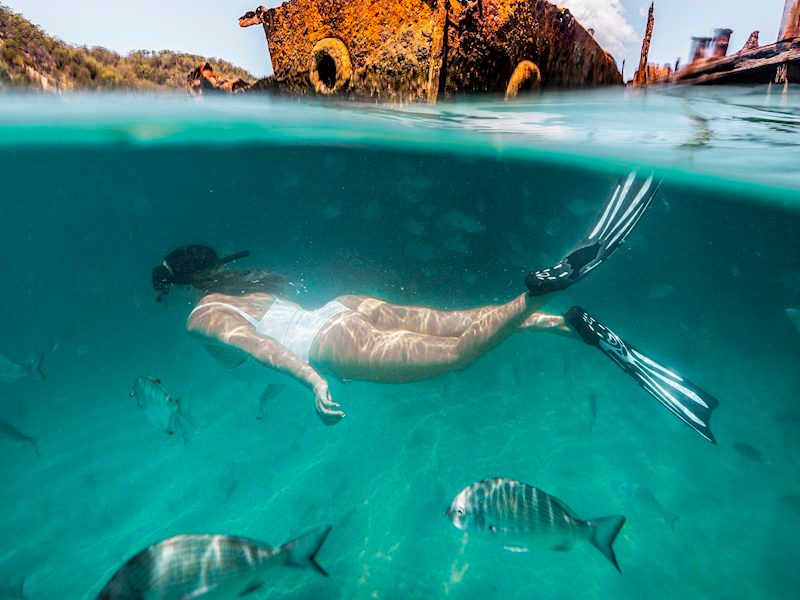
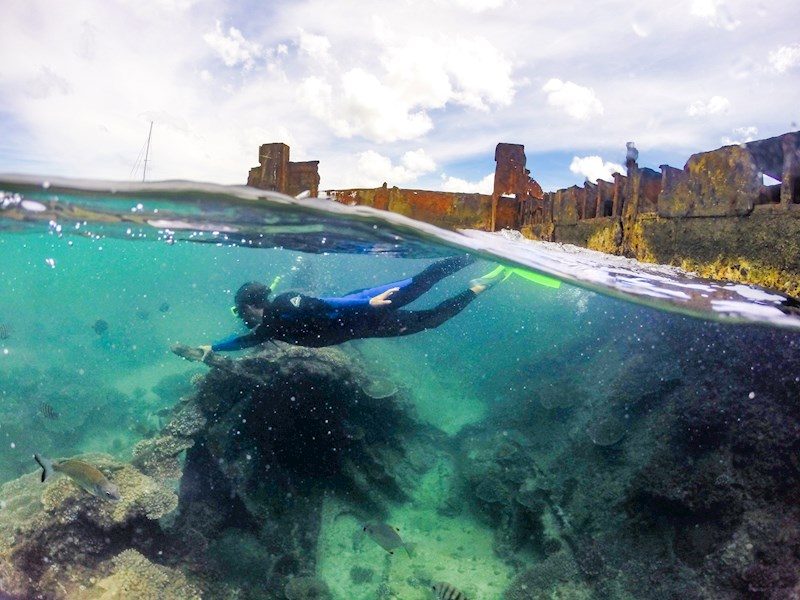
Tangalooma Wrecks
Fifteen intentionally sunk ships create an artificial reef system that attracts a high density of tropical fish and wobbegong sharks. The shallow, sheltered water inside the wrecks is ideal for observing marine life at close range.
Swim along the outer hull for higher visibility and fish variety.
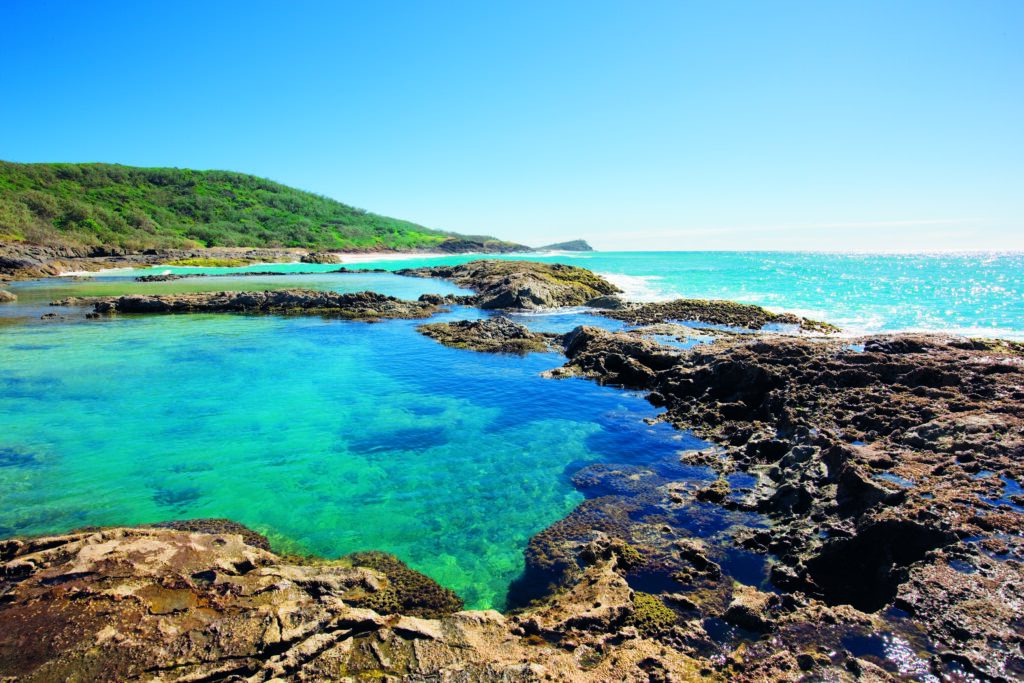
Champagne Pools
Located at the northern tip of the island, these natural rock pools are filled by crashing waves that create a bubbling, effervescent effect. The area provides a contained environment protected from stronger ocean currents.
Approach at low tide when pool water is calmest and clear.
Flinders Reef
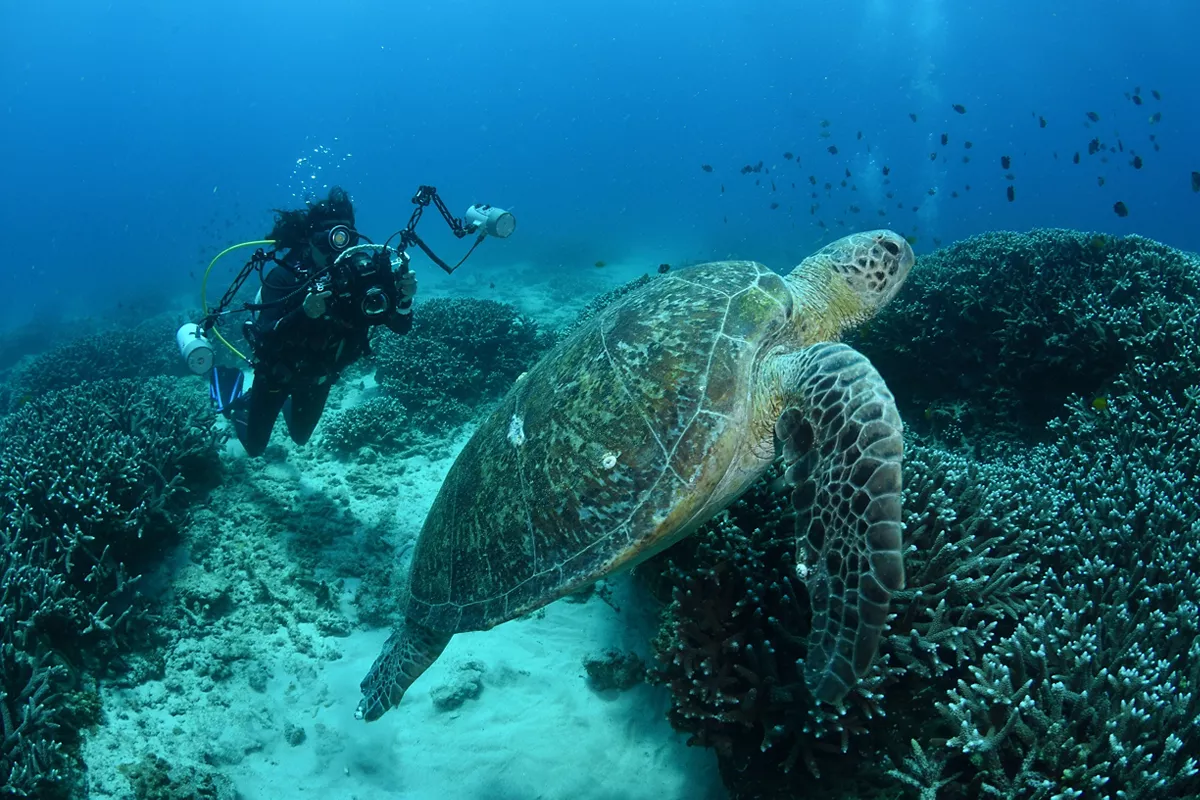
Situated just off the northern coast, this reef offers diverse coral structures and a significant population of sea turtles. It is a location for those with more experience due to its deeper water and exposure to open sea currents.
Use a boat tour to reach this offshore reef site.
Snorkeling Hire Tips for Moreton Island Visitors
Practical adjustments to your snorkeling routine will help you manage the unique conditions found around Moreton Island.
Check tide tables carefully
Snorkeling the wrecks is best attempted during high tide when currents are weaker and water depth is safer. Avoid low tide to prevent contact with sharp metal structures and coral debris.
Prioritize mask seal over fit
Sand easily infiltrates equipment on the beach, so rinse your mask thoroughly in a water bucket before putting it on. Even small grains of sand can break the seal and cause leaking.
Prevent fogging naturally
If your hire mask lacks anti-fog coating, rub a small amount of diluted baby shampoo or fresh saliva on the inside lens before rinsing. This creates a temporary film that prevents condensation during your swim.
Manage fins on shore
Walking in snorkeling fins is difficult and risks damaging the buckles; keep them attached to your pack until you reach knee-deep water. Put them on once you are floating to maintain balance and protect the reef from accidental kicks.
Use reef-safe sun protection
Apply mineral-based, reef-safe sunscreen at least 20 minutes before entering the water to allow for proper absorption. This prevents chemical runoff that damages the local marine ecosystem and helps the product stay on your skin.
Moreton Island Snorkeling Hire Checklist Before You Go
Book transport and gear in advance, then check conditions the day before your trip.
-
Book ferry or barge to Moreton Island — Vehicle barges and passenger ferries fill quickly during peak season
-
Reserve snorkeling gear with mainland hire operators — Most island-based operators require 24–48 hour advance booking
-
Check weather forecast and tide tables — Low tide exposes reef flats and strong wind reduces visibility
-
Pack reef-safe sunscreen and drinking water — Hired gear does not include sun protection or hydration
-
Confirm gear collection point and time — Some operators deliver to accommodation, others require pickup at the ferry terminal
-
Download offline maps of snorkeling sites — Mobile coverage is limited across most of Moreton Island
Check availability
Frequently asked questions about moreton island snorkeling hire
Everything you need to know about moreton island snorkeling hire