24 hr
Moreton Island Full-Day Adventure from Brisbane
- Expert local guide
- Small group
- Skip-the-line access
- Free cancellation
Moreton Island Snorkeling from Brisbane — Tangalooma Wrecks & Marine Wildlife
Crystal waters over sunken hulls, wild dolphins at dusk
Compare fares, pick the fit — all bookings are mobile-voucher and eligible for free cancellation where shown.
24 hr
24 hr
8 hr
Visitors seeking moreton island snorkeling from brisbane can select between comprehensive guided day tours or flexible transport-only options to reach the Tangalooma Shipwrecks. Choosing the right experience ensures you have the necessary safety equipment and marine park access to explore these historic underwater landmarks.
|
Top pick Guided Snorkel Tour All-Inclusive Adventure |
Transport Only Ferry & Resort Access | |
|---|---|---|
| Snorkel Gear Included | Yes | — |
| Marine Discovery Cruise | Included | — |
| Resort Facility Access | Included | Included |
| Lunch & Refreshments | Included | — |
| Best for | First-timers & Families | Independent Travelers |
| See tickets & prices |
Verdict: First-time visitors should choose the guided moreton island snorkeling from brisbane tours for a seamless, all-inclusive experience.
Worth it for marine life fans, less so for casual snorkelers
Moreton Island snorkeling from Brisbane delivers genuine value if you want marine encounters within a day trip radius. The Tangalooma Wrecks shelter tropical fish, turtles, and occasional rays in 2–5 metre visibility—clearer than most mainland shore dives. Full-day packages bundle ferry transfers, snorkel gear, and island access for around 130–180 AUD, which beats DIY costs once you factor in vehicle permits and barge fees. The catch: you're tied to group schedules, and weather cancellations are common winter through spring. Tours typically allocate 60–90 minutes of actual snorkel time, with the rest spent on transfers and briefings. For Brisbane residents chasing accessible coral and fish diversity without flying to the reef, it's a solid option. Casual swimmers expecting Caribbean clarity or extended water time will find better value at other Queensland coastal spots.
Bottom line: Moreton Island snorkeling from Brisbane tours justify the cost for marine life access without overnight commitment, but expect manageable conditions rather than world-class reefs.
They complement each other, but most visitors who prioritize a concentrated marine experience call Moreton Island the superior choice for snorkeling.
|
Top pick Moreton Island |
North Stradbroke Island | |
|---|---|---|
| Primary Activity | Shipwreck snorkeling | Surf beaches and gorge walks |
| Travel Time (Ferry) | 75 minutes | 25–50 minutes |
| Accessibility | Boat required | Ferry or water taxi |
| Marine Life Concentration | High (Tangalooma Wrecks) | Moderate (Amity Point/Gorge) |
| Vibe | Rugged adventure | Village-style relaxation |
| Ideal Suitability | Adventure/Snorkel seekers | Families/Beach lovers |
| See tickets & prices |
Verdict: Choose Moreton Island for the unique shipwreck underwater experience, or North Stradbroke Island if you prefer a mix of swimming, surfing, and coastal town amenities.
Hand-picked experiences loved by thousands of travelers
1 day
Free Cancellation
Full-day island escape from Brisbane with guided snorkel adventure among shipwrecks and resort amenities
1 day
Free Cancellation
Full-day adventure from Brisbane: snorkel shipwrecks, feed wild dolphins at sunset, relax at a private island resort
8 hours
Free Cancellation
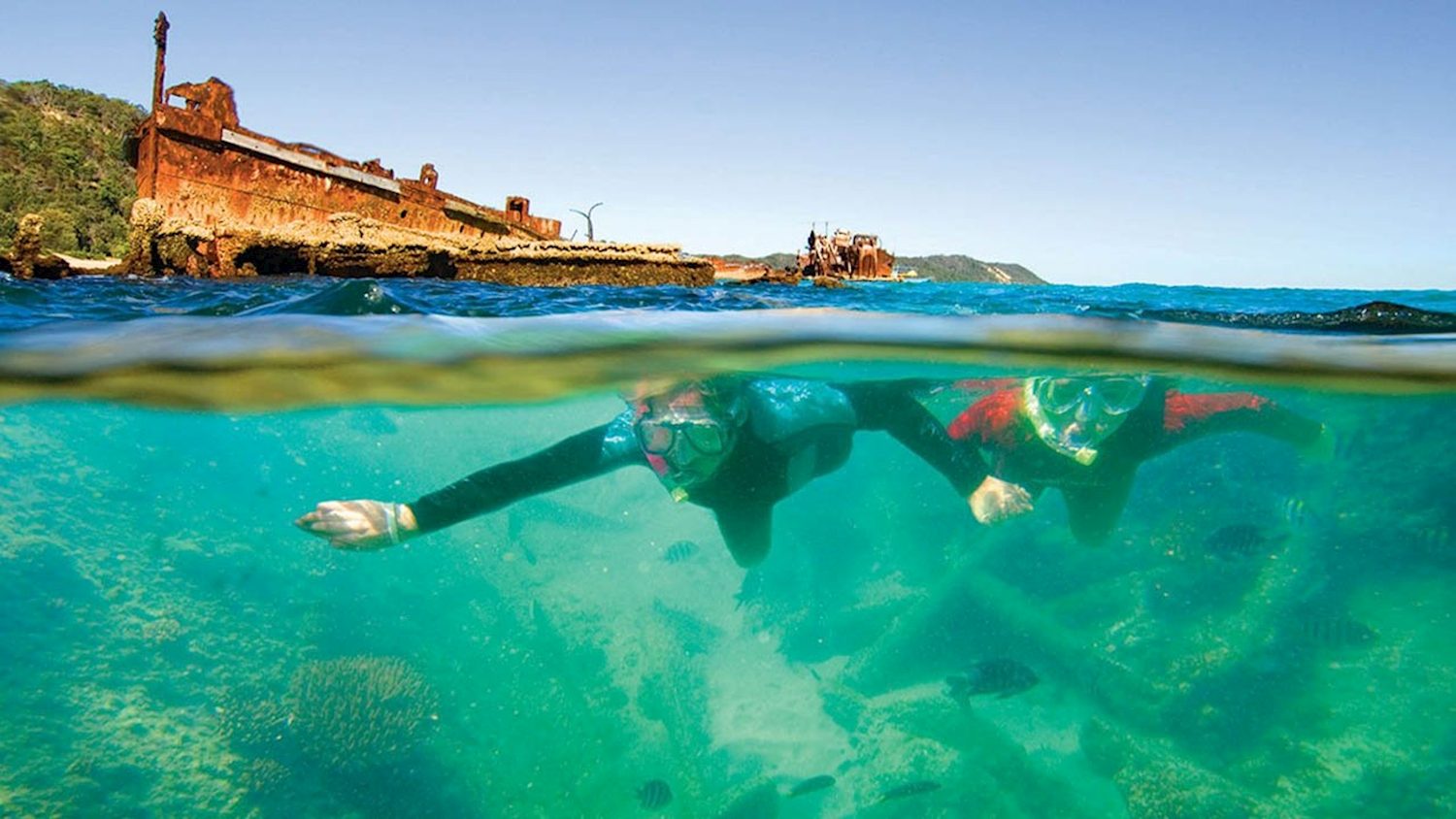
Discover shipwrecks teeming with marine life, relax on pristine sands, and spot dolphins on this all-inclusive island escape
1 day
Free Cancellation
Full-day island escape with shipwreck snorkeling, resort facilities, sunset drinks, and wild dolphin encounters
1 day
Free Cancellation
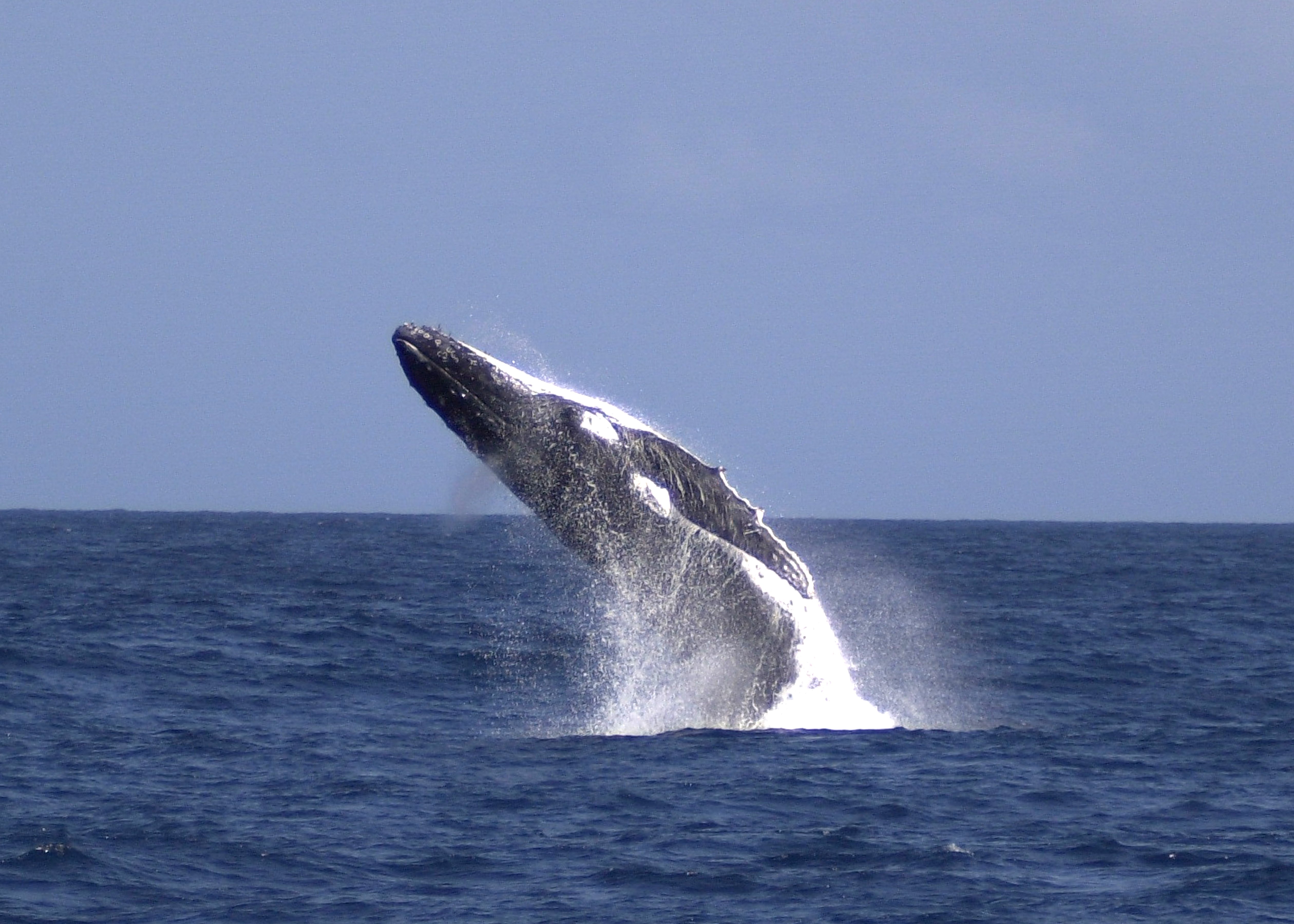
Full-day island escape with 3-hour whale watch cruise, resort access, and marine life encounters
9 hours
Free Cancellation
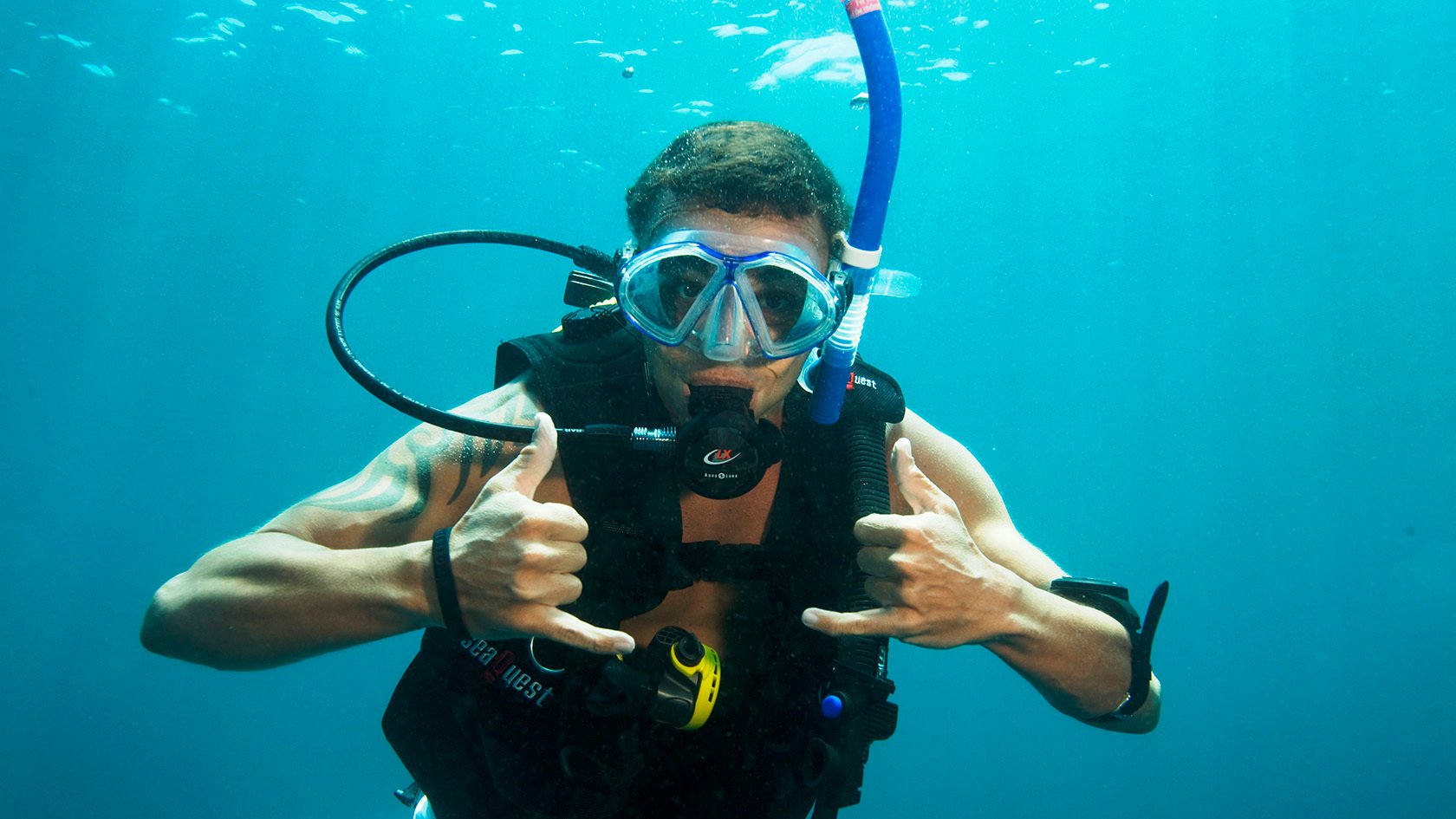
Full-day island escape with diving at Tangalooma Wrecks, water sports, and beach activities
1 day
Free Cancellation
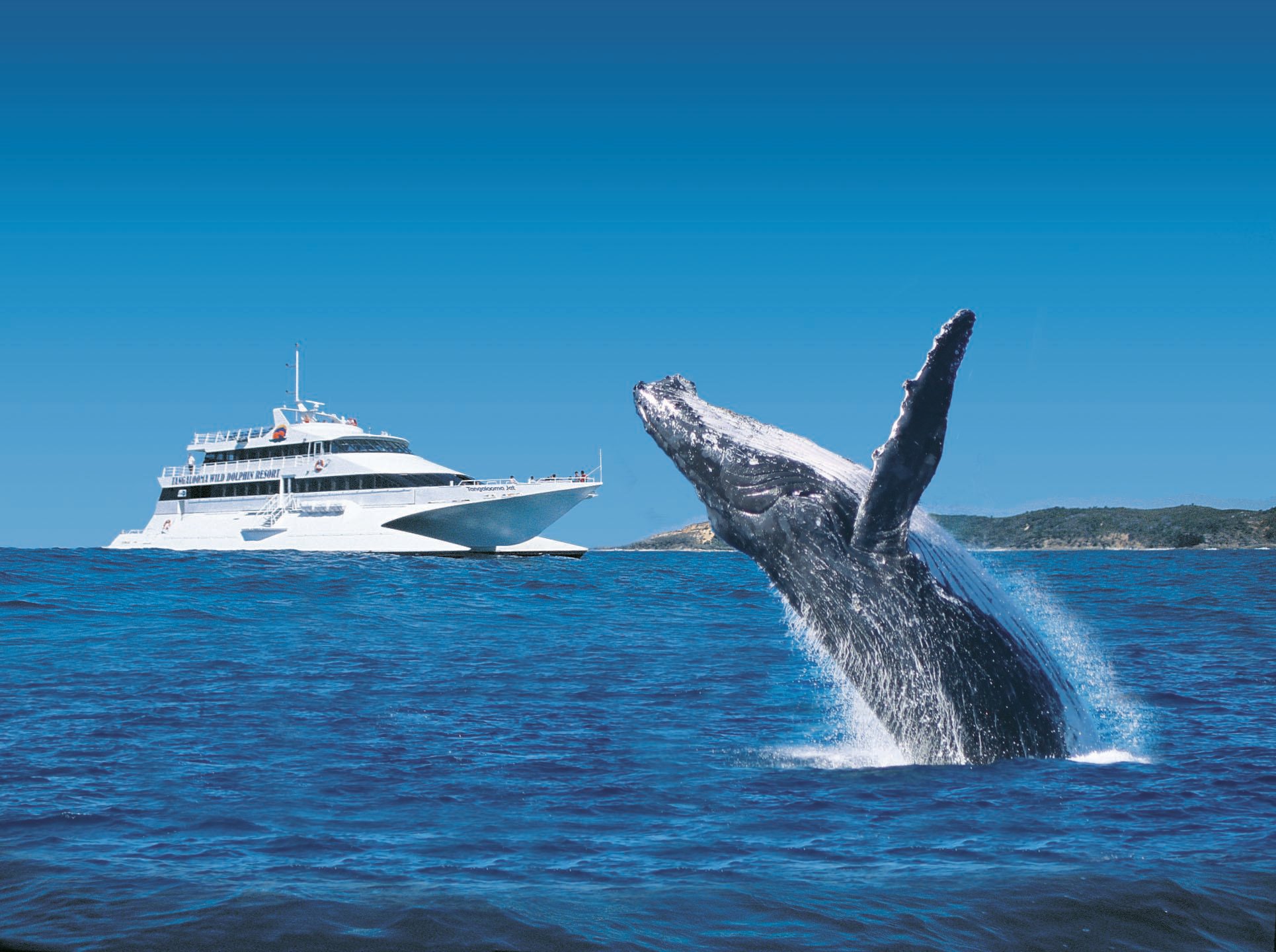
Experience close encounters with humpback whales and hand-feed wild dolphins in shallow waters at Moreton Island
1 day
Free Cancellation
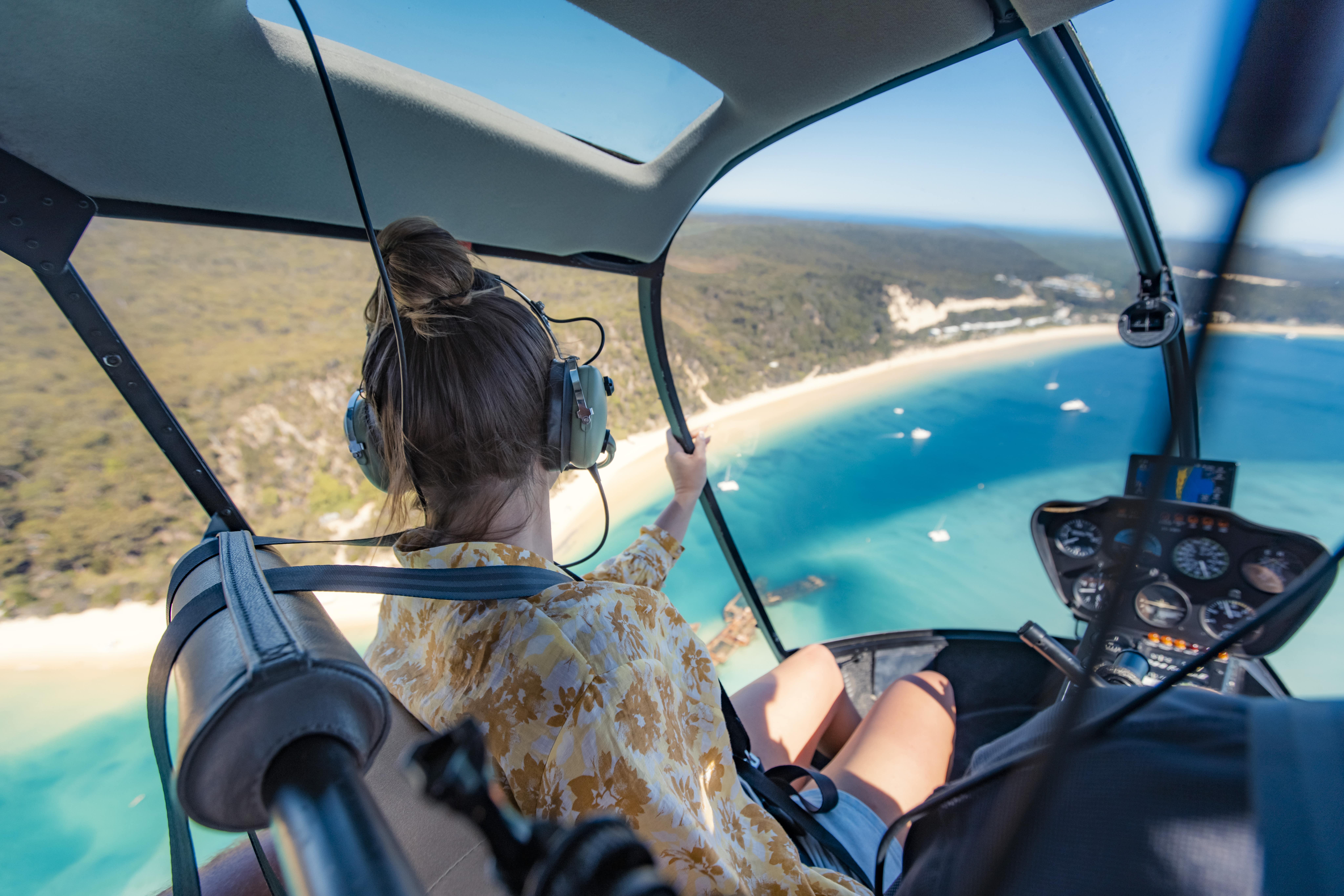
Discover shipwreck snorkeling, scenic helicopter flight, and wild dolphin encounters at sunset
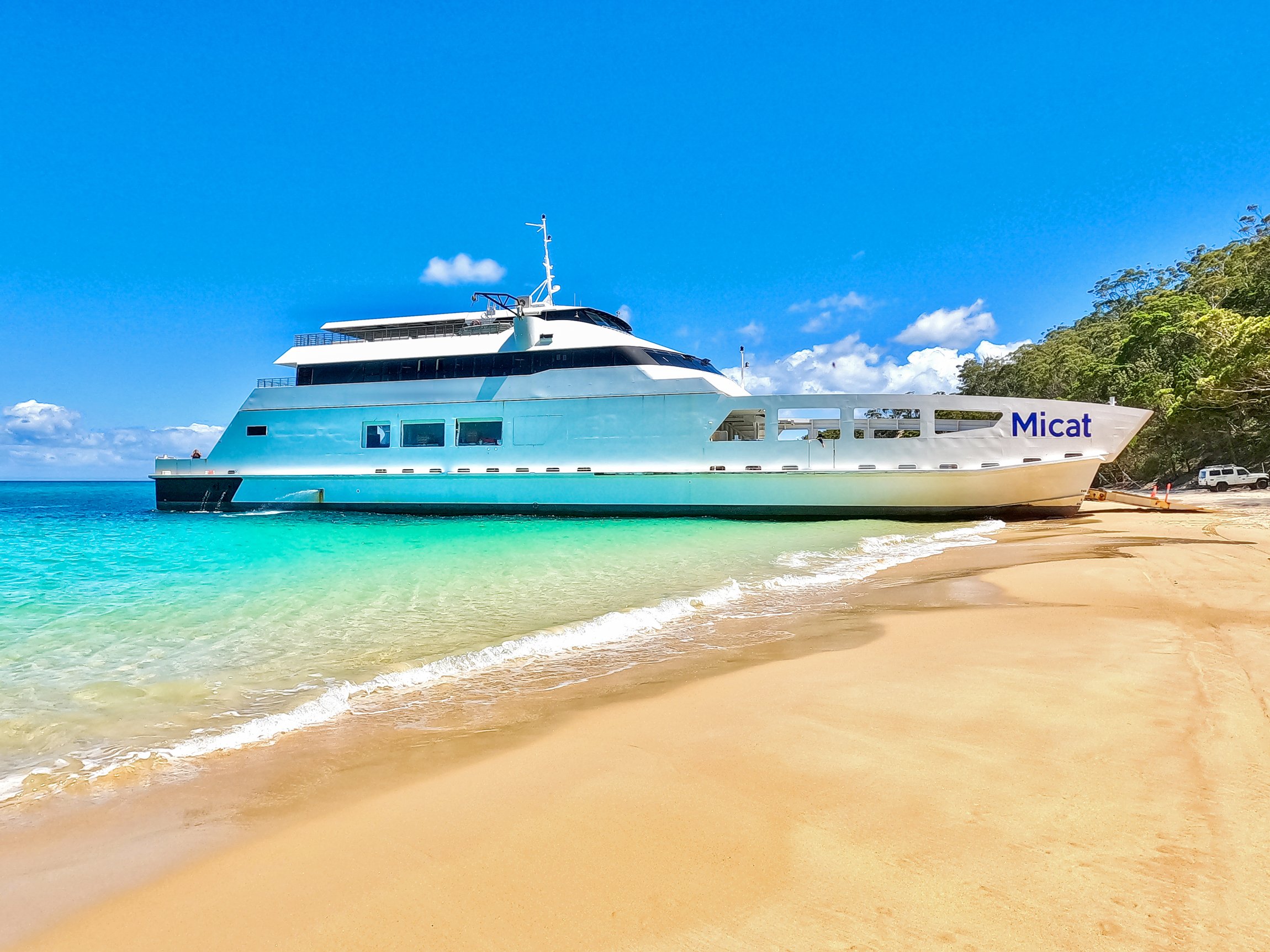
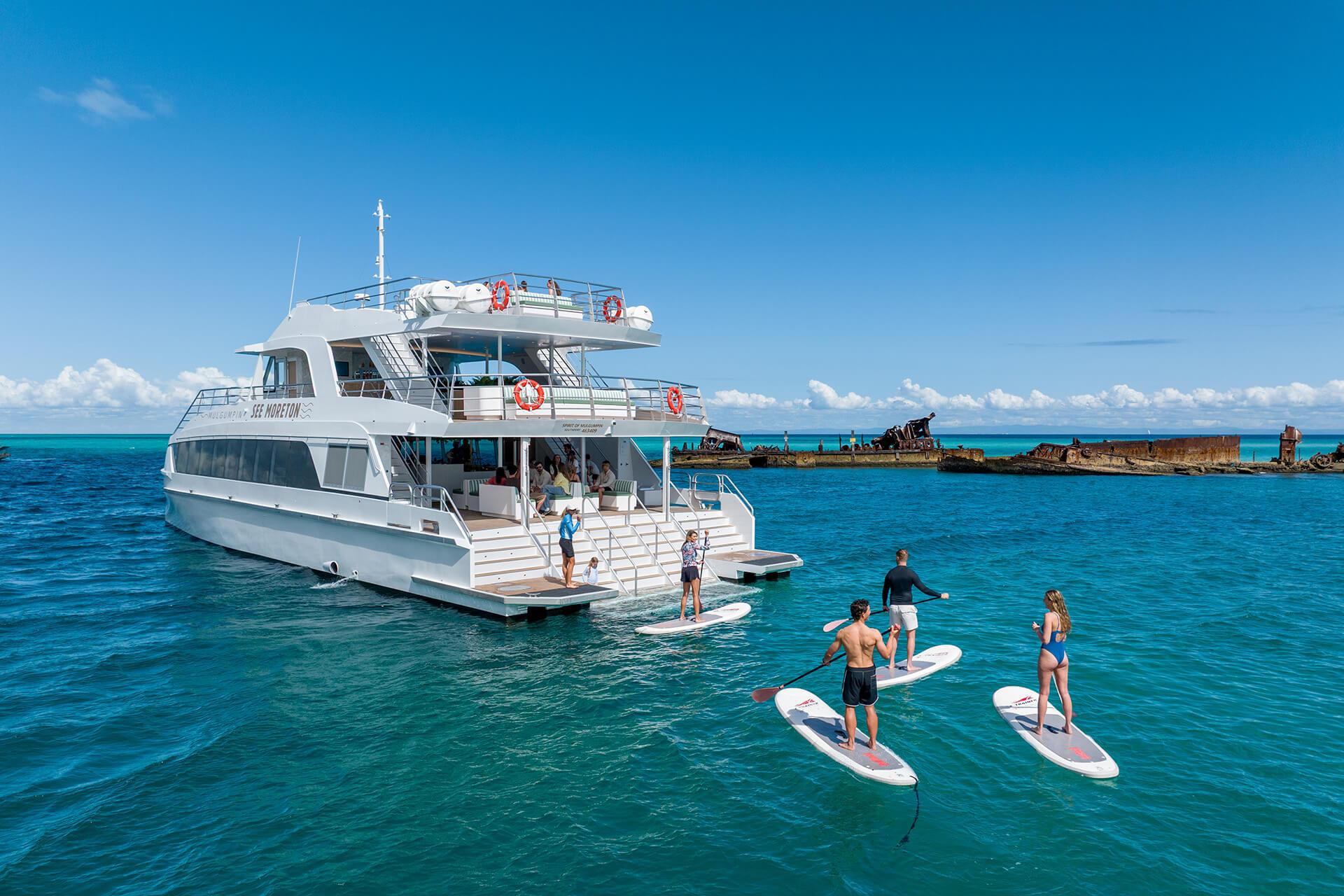
Departing Brisbane for moreton island snorkeling from brisbane.
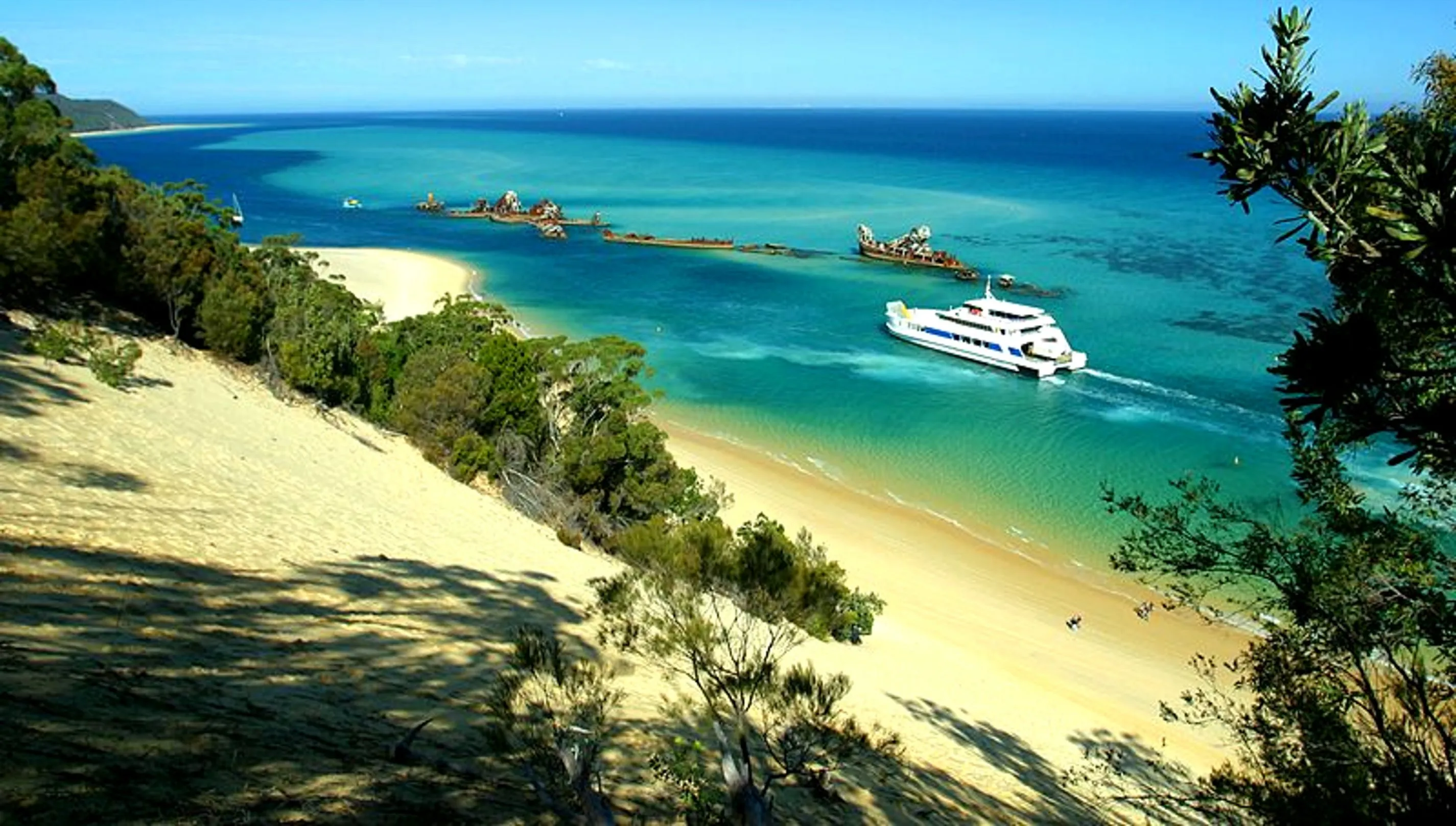
Ferry crossing to the island terminal.
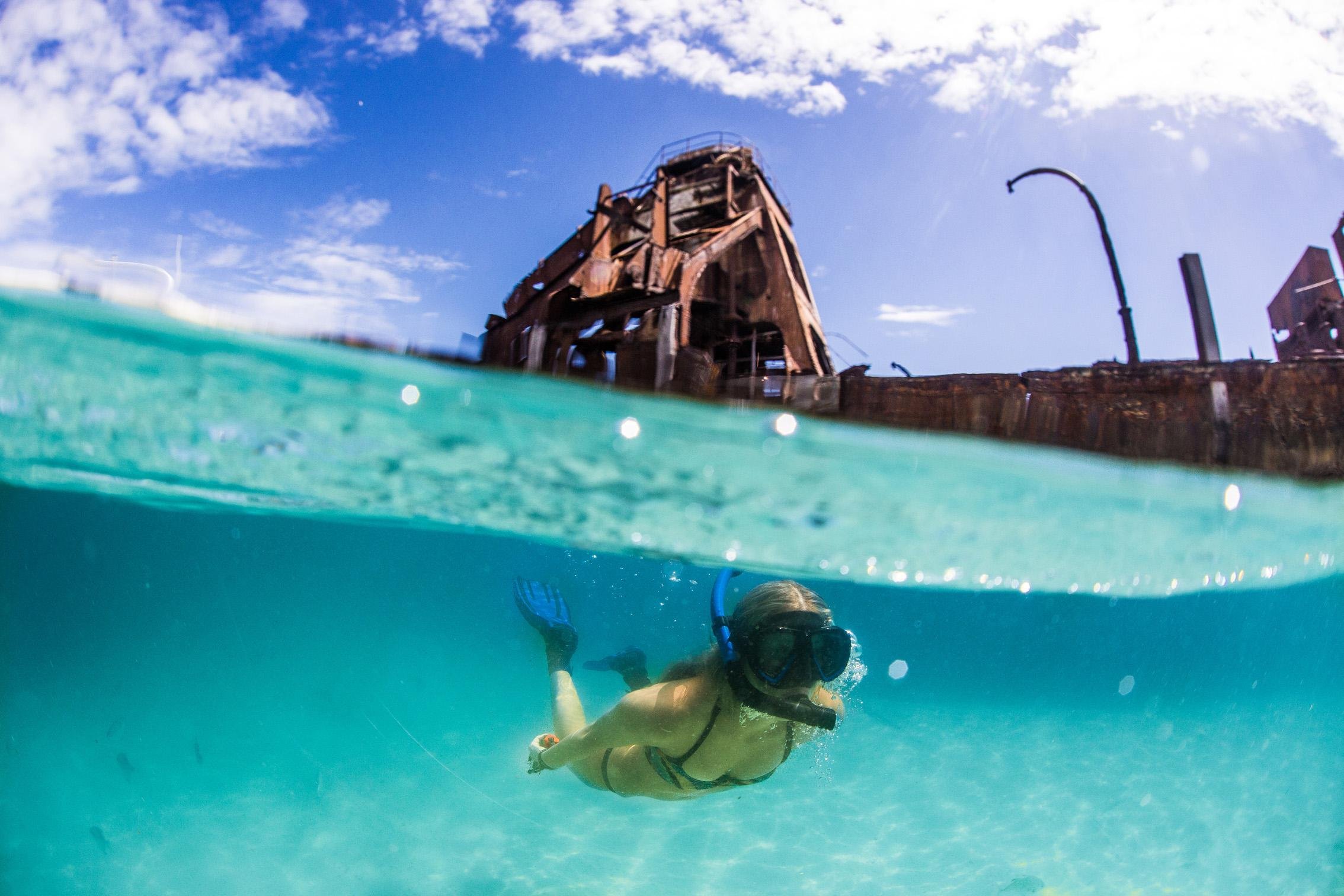
Exploring wrecks via moreton island snorkeling from brisbane tour.
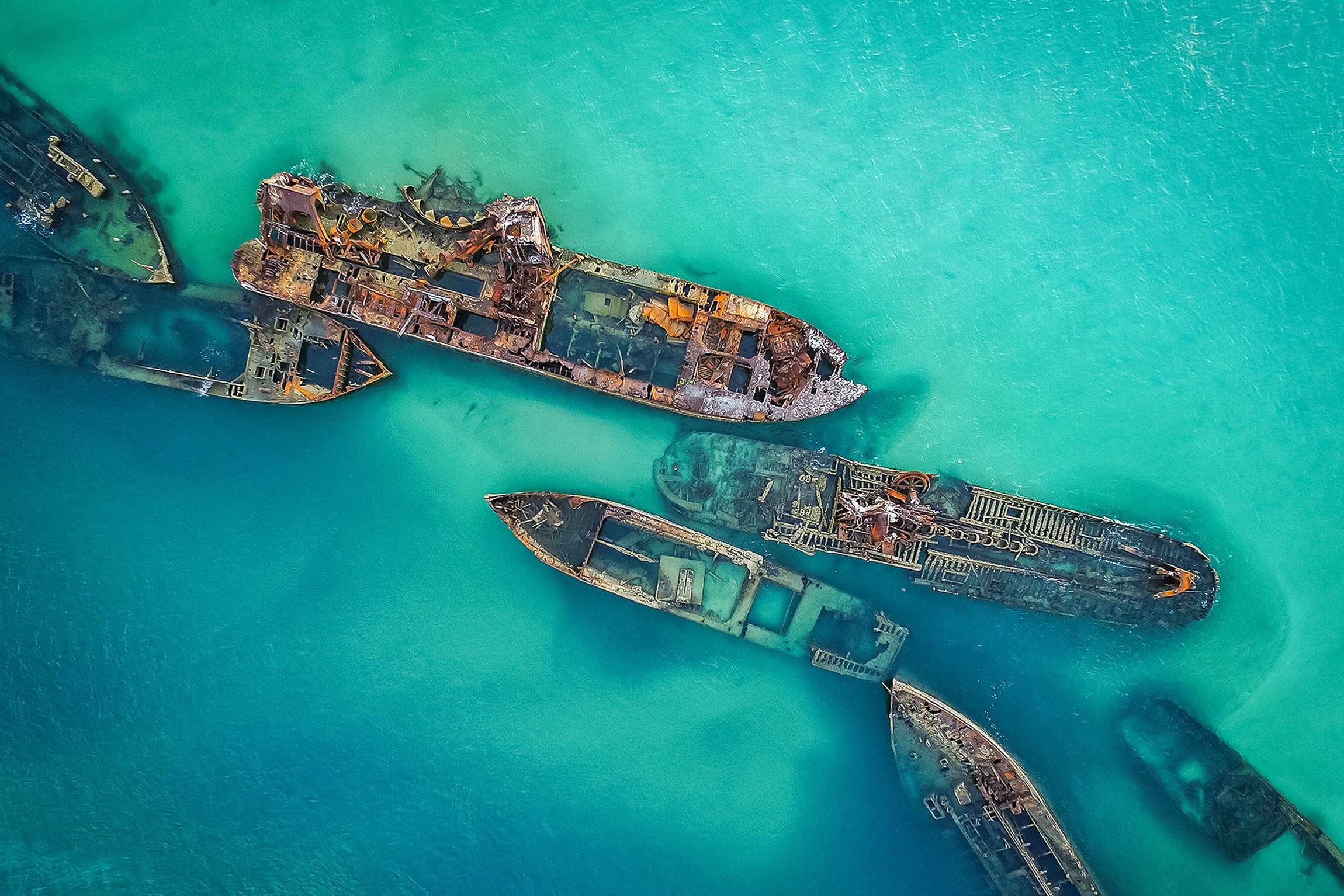
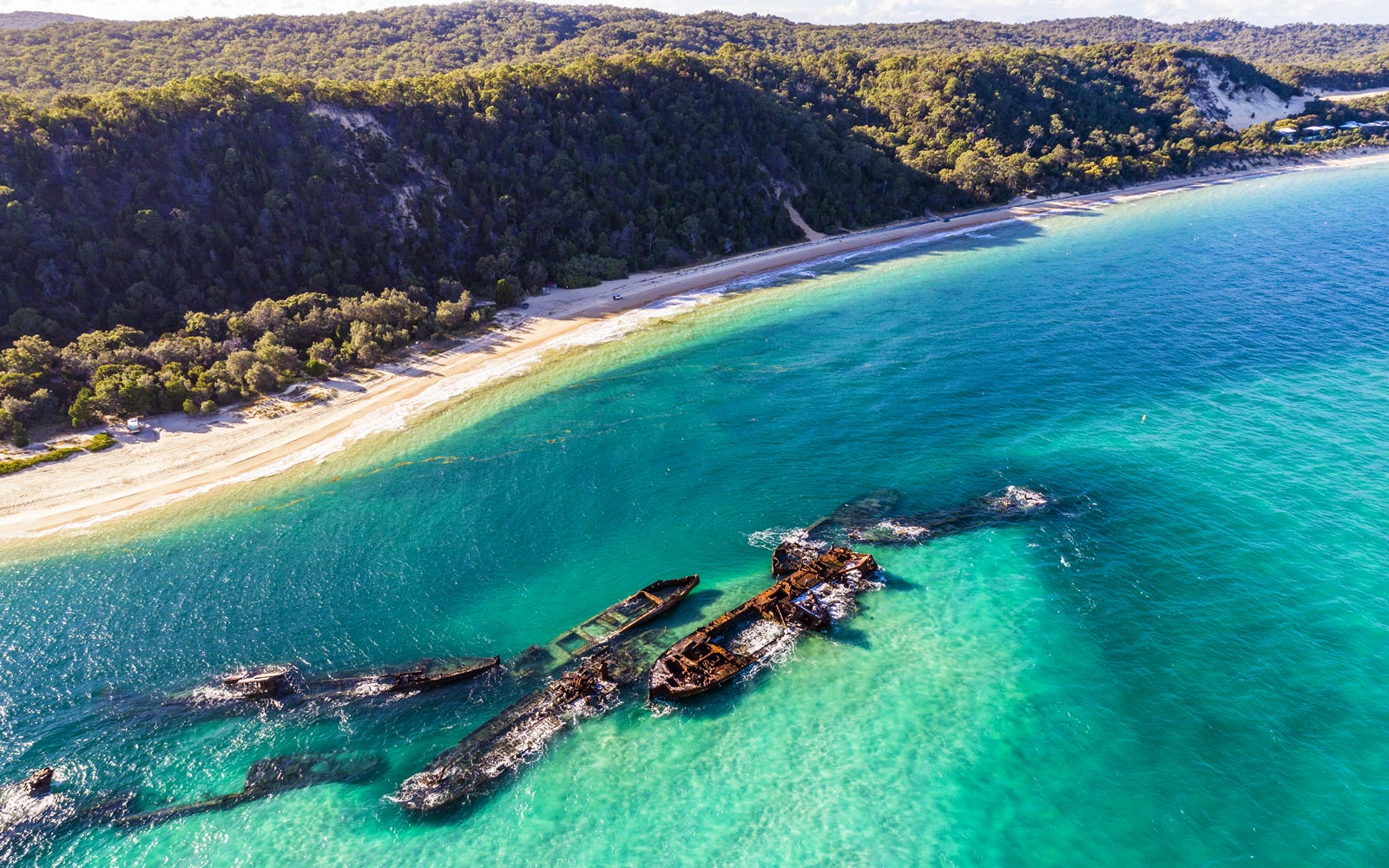
A collection of 15 deliberately scuttled vessels forming a calm reef sanctuary. This site is the primary location for moreton island snorkeling from brisbane tours.
A vast protected area housing diverse species including turtles, wobbegong sharks, and reef fish. It provides the ecological backdrop for every moreton island snorkeling from brisbane trip.
Engineered habitats that attract thousands of marine creatures within the sheltered bay. These structures are the main feature of most moreton island snorkeling from brisbane itineraries.
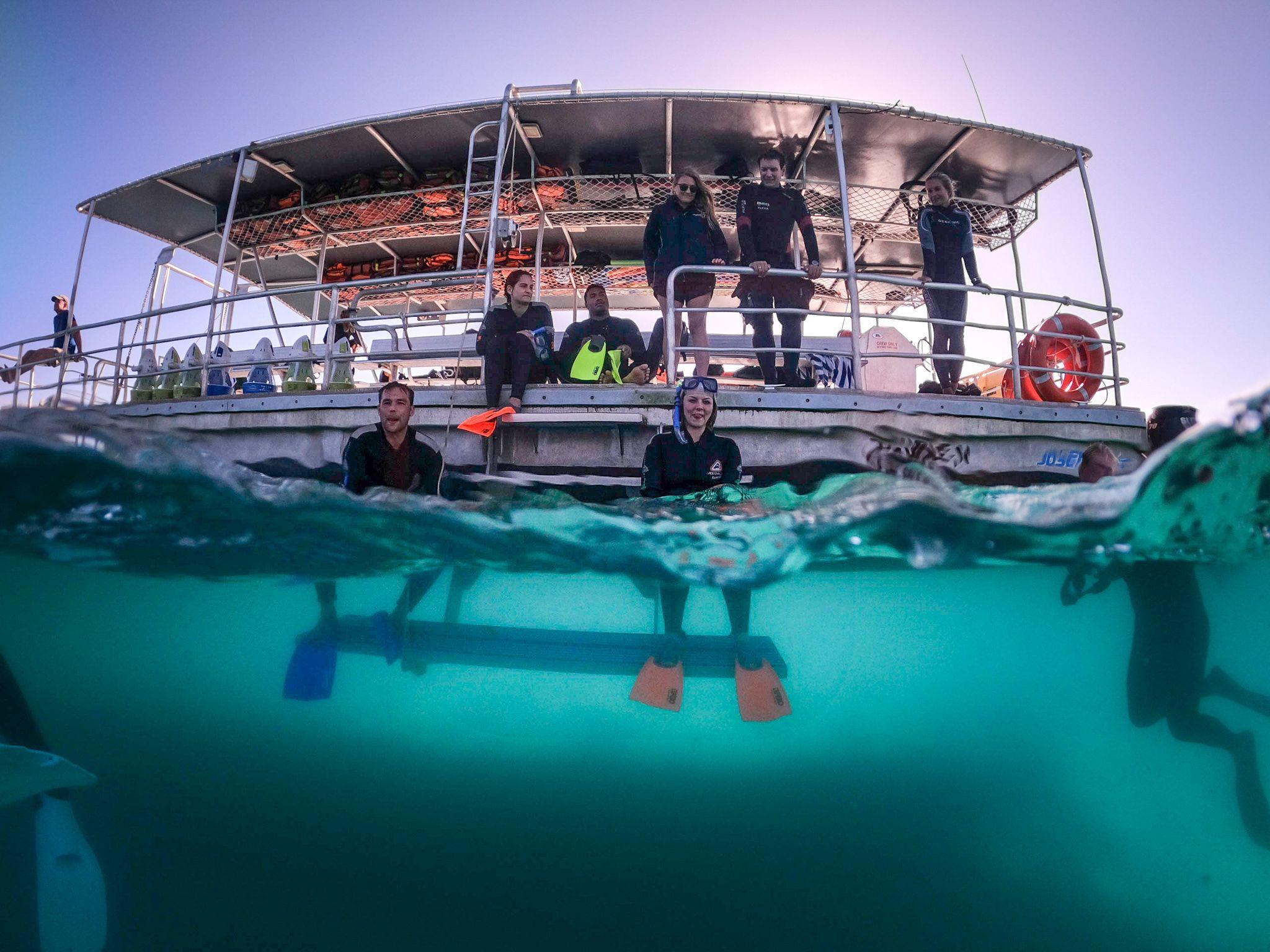
You board the morning ferry at Holt Street, Brisbane, crossing Moreton Bay as the city skyline recedes behind a widening channel of teal water. Seventy-five minutes later you step onto Tangalooma jetty, wetsuit and mask already distributed by your guide.
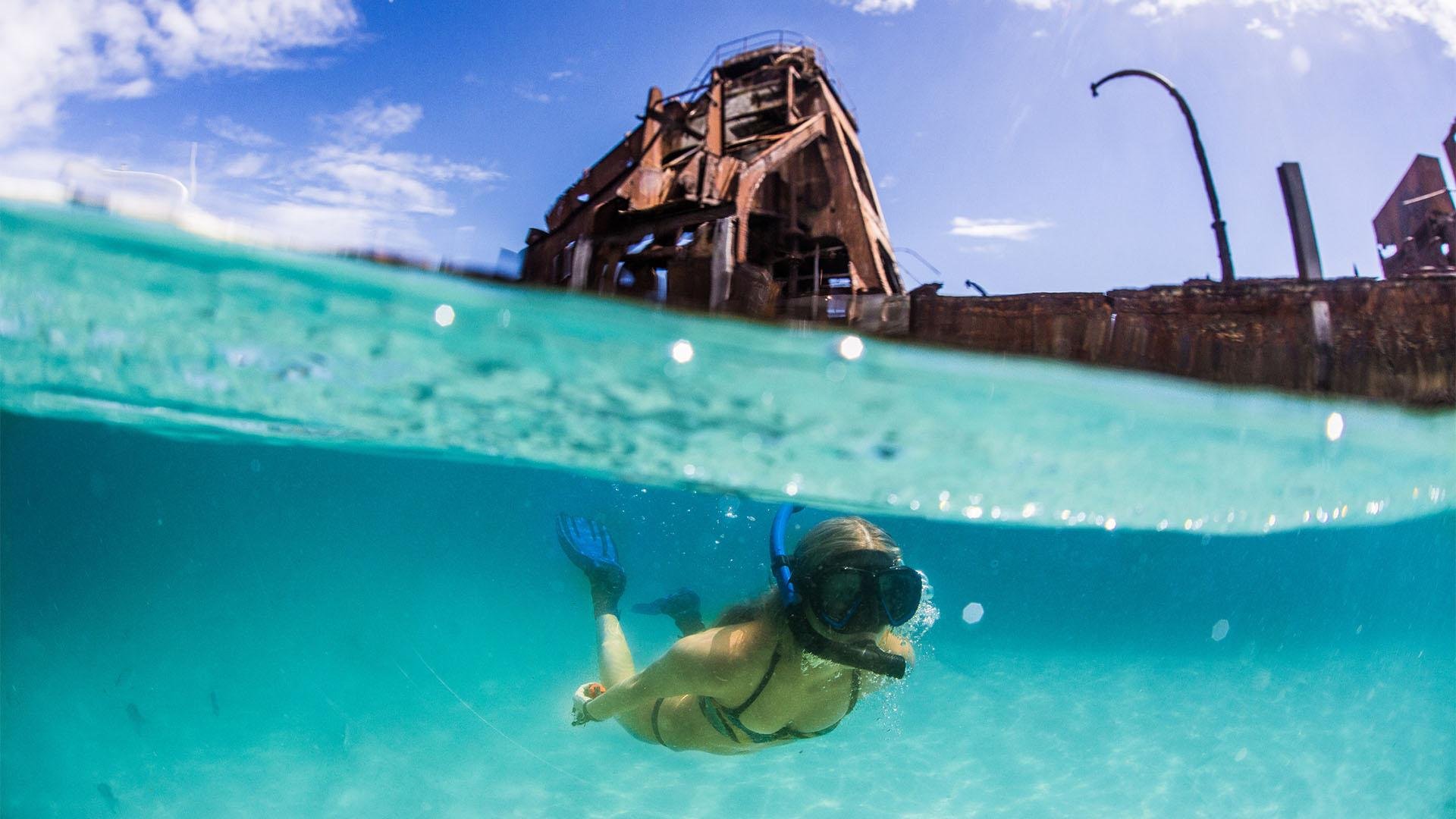
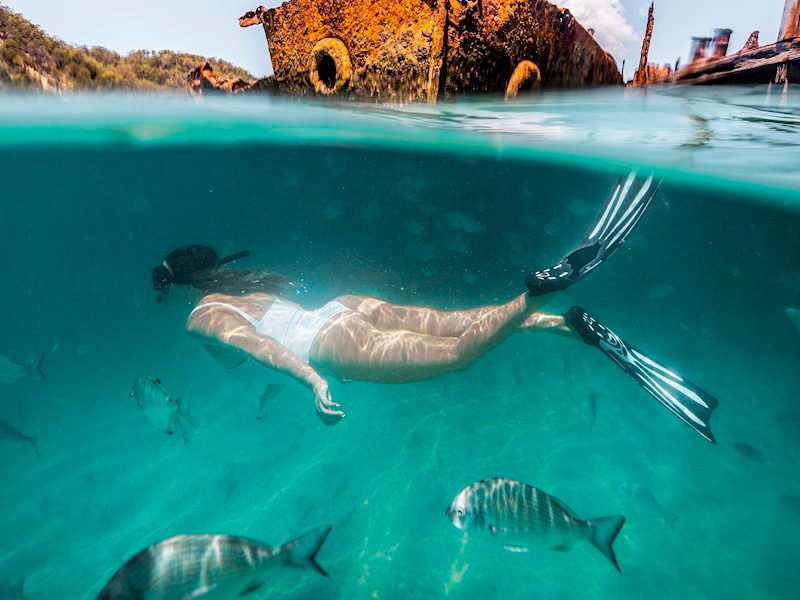
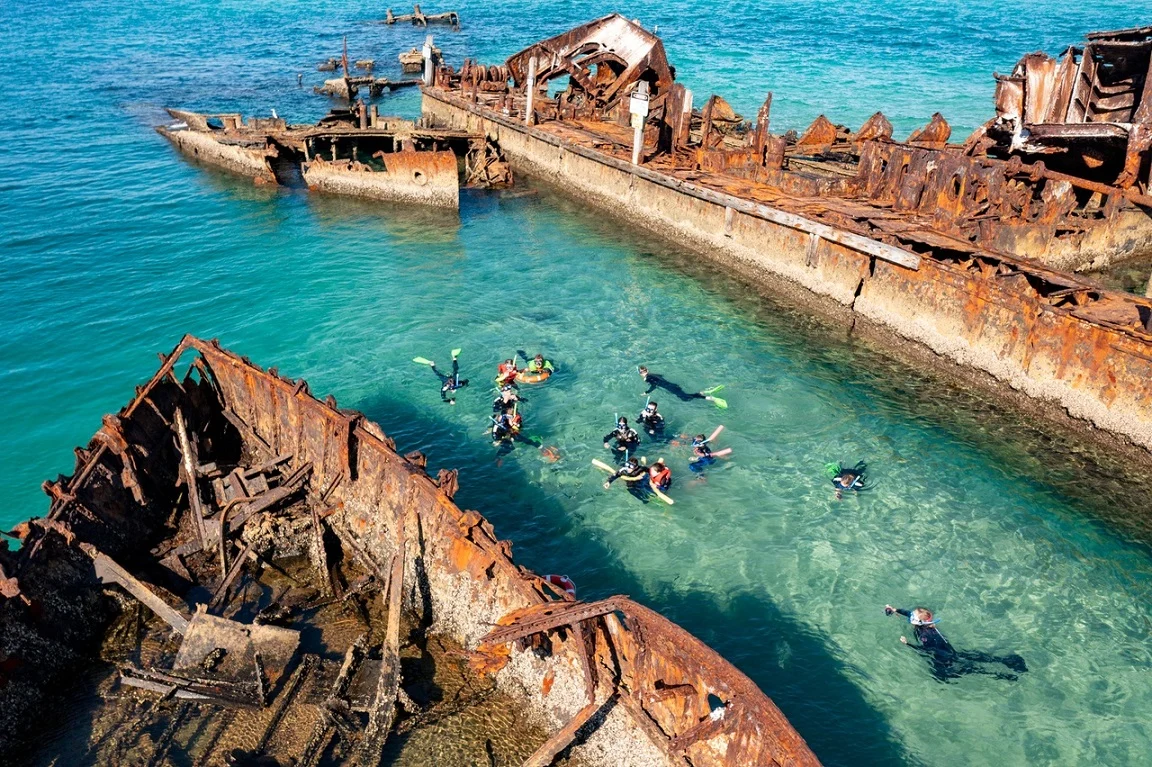
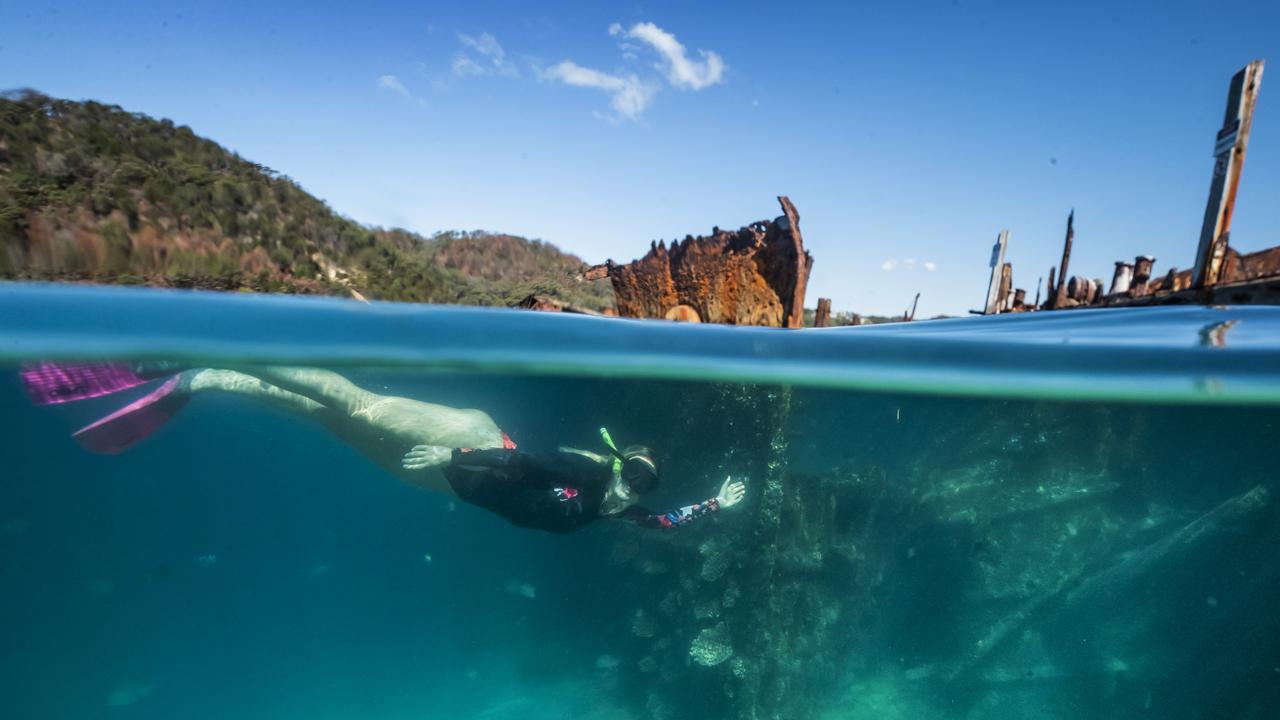
The group walks 200 meters north along the beach to the wreck line, where rusted bows break the surface at low tide. You wade in, adjust your snorkel, and kick toward the nearest hull—a former dredge now draped in soft coral and patrolled by curious bream. Three meters down, you duck-dive to peer through a cargo hold; a wobbegong shark rests motionless on the sand floor, camouflaged until you're close enough to count its barbels.
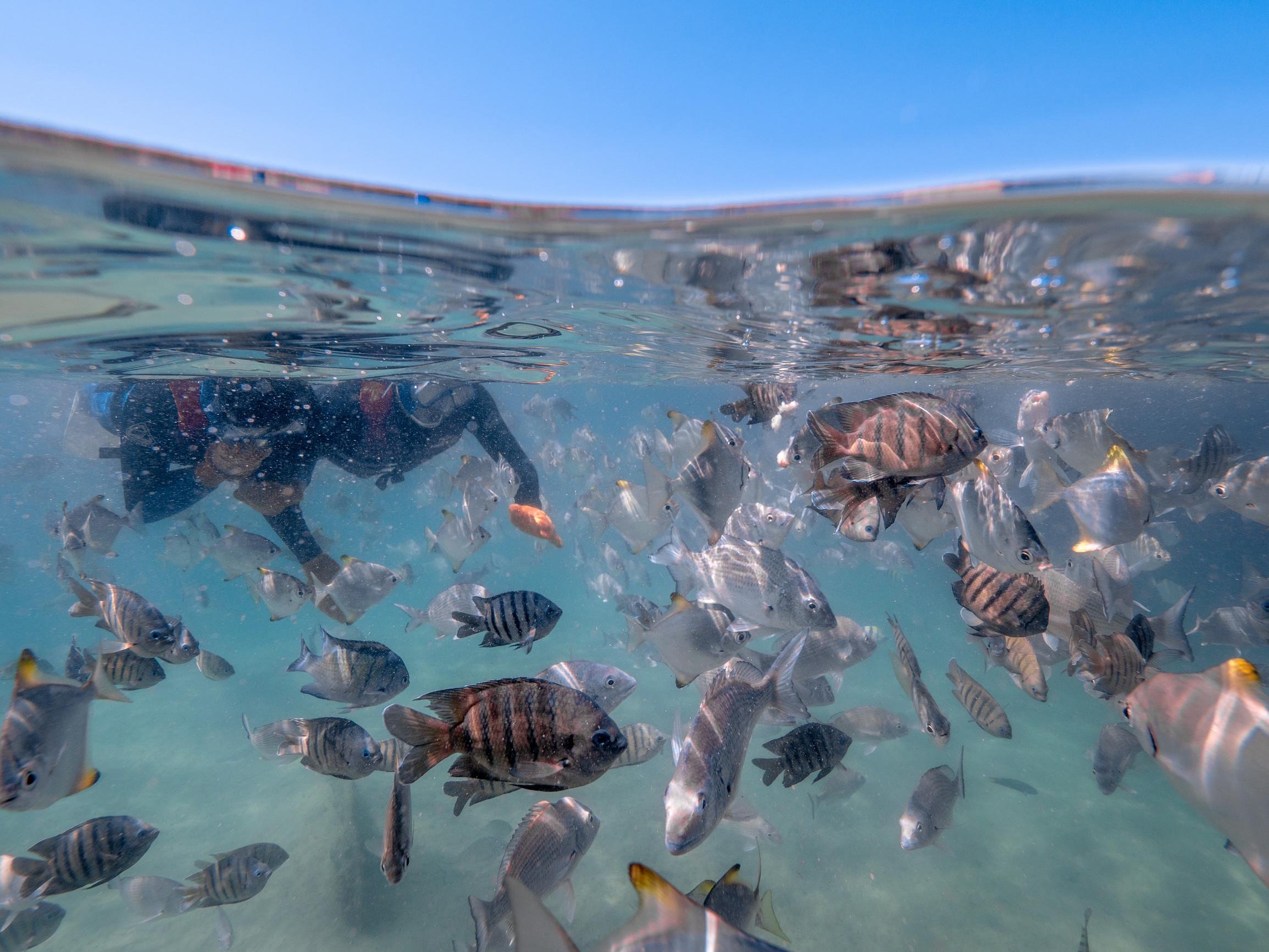
After the wrecks, the boat repositions to a seagrass flat where your guide points out a dugong's muddy feeding trail. You snorkel the shallows, hands behind your back per marine-park rules, watching the grass sway in the current. Lunch is served on deck—sandwiches and fruit—while the boat drifts toward dolphin waters. At dusk you stand knee-deep at the resort beach as handlers bucket-feed six dolphins; the animals surface, accept their fish, and circle back for more, their echolocation clicks audible above the waterline. You rinse sand from your gear, board the return ferry at 17:00, and watch Moreton's dune ridges fade into the offshore haze as Brisbane's lights blink on across the bay.
All the details about your upcoming adventure in one place
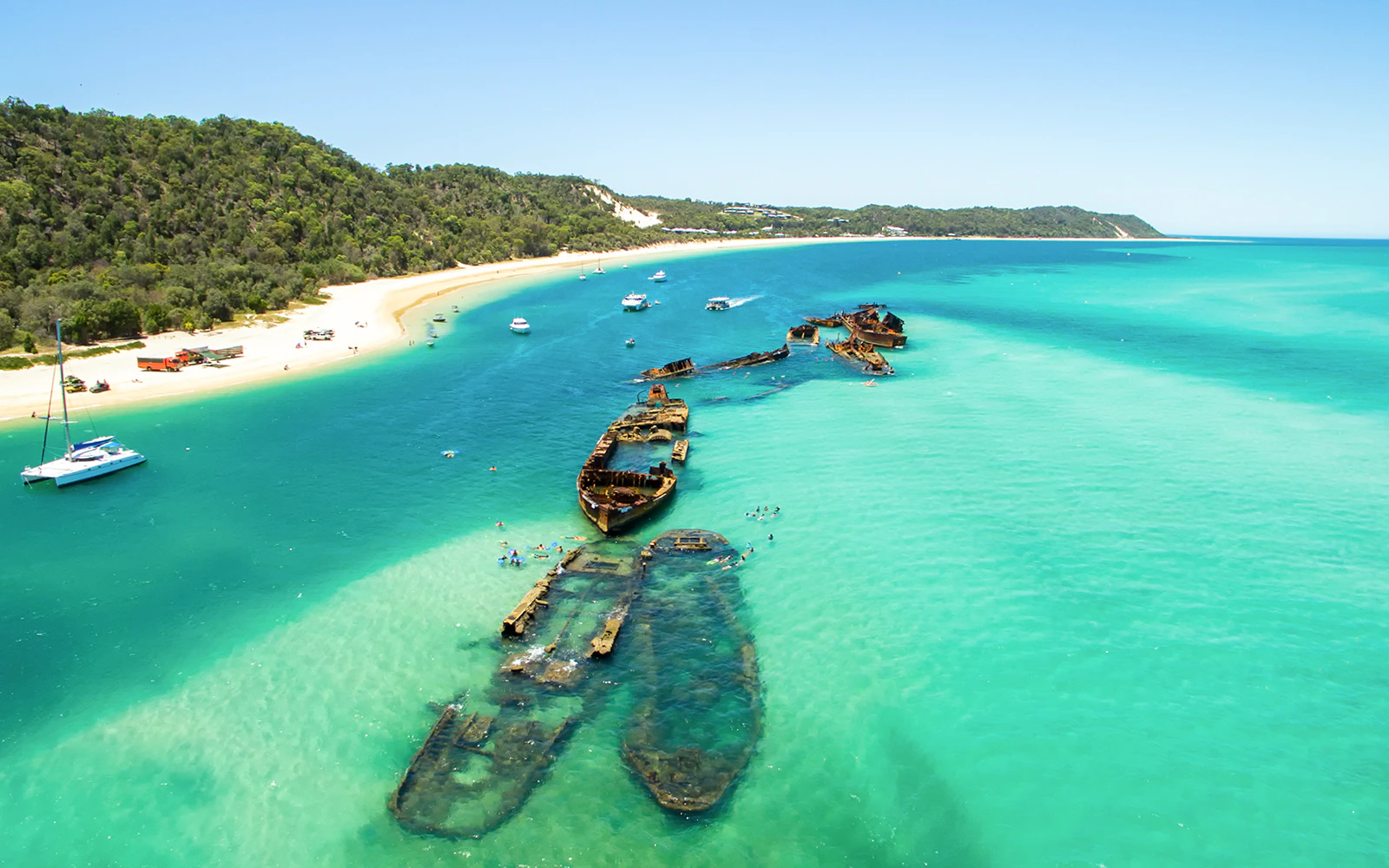
Fifteen steel-hulled vessels rest in parallel formation off Tangalooma Point, deliberately scuttled between 1963 and 1984 to form a recreational harbor breakwater.
What Brisbane's port authority intended as infrastructure became Queensland's most accessible shipwreck snorkel site—each hull now encrusted with coral polyps, sponges, and 140 documented fish species including wobbegong sharks, cuttlefish, and schools of trevally that move as single metallic clouds. The wrecks lie in three to eight meters of visibility-dependent water, shallow enough for novice snorkelers yet deep enough to require freediving skills for hull penetration. Moreton Island itself—Mulgumpin in the Quandamooka language—is the world's third-largest sand island, 95 percent of its 17,000 hectares protected as national park, with no paved roads and a human population that peaks at 300.
Moreton island snorkeling from brisbane appeals to day-trippers seeking marine encounters without multi-day commitments or offshore boat charters. The 75-minute ferry crossing from Holt Street Wharf deposits visitors at Tangalooma Resort or Bulwer jetty; most snorkel tours bundle transport, equipment, and guided wreck dives into eight-hour itineraries. The island's position at the western edge of Moreton Bay Marine Park—a 3,400-square-kilometer reserve spanning coral gardens, seagrass meadows, and dugong feeding zones—means snorkelers often surface alongside humpback whales during the June-to-November migration window. Evening dolphin-feeding programs at Tangalooma attract 600 wild Indo-Pacific bottlenose dolphins, a population studied continuously since 1992 and now habituated to human interaction within strict veterinary protocols.
Beyond the wrecks, the island's eastern surf beaches offer year-round shore breaks, while inland freshwater lakes—products of rainwater percolating through silica sand—sit perched 80 meters above sea level. The Ngugi and Nunukul peoples occupied Mulgumpin for millennia before European contact; middens near Cowan Cowan contain evidence of dugong hunting and shell-tool manufacture dating to 2,500 years. Today's snorkel operations navigate the same tidal channels—Rous Channel to the west, North Channel to the east—that Quandamooka seafarers used for seasonal fishing camps. Free entry to the national park reflects Queensland's public-access philosophy, though vehicle permits, camping fees, and commercial-tour licenses generate the revenue that funds ranger patrols and wreck-site moorings.
Fifteen steel hulls scuttled for shelter became Queensland's most accessible underwater gallery—coral polyps and 140 fish species now claim the breakwater as home.
Wear practical swimwear and sun-protective clothing suitable for a moreton island snorkeling from brisbane experience. Sturdy footwear is recommended for walking on soft-sand tracks upon arrival.
Keep personal belongings minimal when joining moreton island snorkeling from brisbane tours. Secure all valuables as storage facilities on transport vessels vary by operator.
Underwater cameras are ideal for capturing marine life during your moreton island snorkeling from brisbane trip. Ensure all gear is waterproof or properly encased for boat transit.
Children must be supervised at all times when participating in moreton island snorkeling from brisbane excursions. Life jackets are provided by most operators to ensure safety for younger participants.
Access to snorkeling sites requires swimming ability and navigating uneven sandy shorelines. Facilities vary across the island; consult your tour provider regarding mobility assistance.
Carry sufficient water and snacks, adhering to leave-no-trace principles within the national park. Bringing reusable containers is encouraged to protect the delicate marine environment.
Opening Hours
00:00–23:59
Address
Moreton Island, Queensland, 4025, Australia
Entry Fee
0 AUD
Arrival
07:30–10:00
Navigation
National Park
Public transport · 60 min · Varies
Use local bus routes to reach the Pinkenba wharf area.
Car · 45 min · Varies
Park at the secure terminal lot before boarding your moreton island snorkeling from brisbane tour.
Cancellations must be made within the provider's specific window to qualify for a refund. No conservation or entrance fees (0 AUD) are refundable as these are national park requirements.
Recommended time
Full day
Planning your moreton island snorkeling from brisbane requires a full day to account for ferry logistics and shifting tides at the Tangalooma wrecks. High water provides the calmest conditions for viewing marine life, so we recommend booking moreton island snorkeling from brisbane tours that align with these natural windows. While crowds remain steady, opting for mid-week moreton island snorkeling from brisbane tickets often leads to a more relaxed experience compared to weekend peaks. If you are securing a moreton island snorkeling from brisbane tour independently, allow extra time for island navigation.
Crowd levels through the day
Weather · crowds · average price — dots go green to amber to red as each metric rises.
September to November offers comfortable temperatures and clear visibility for moreton island snorkeling from brisbane tickets holders. Water temperatures are mild as the season progresses.
December to February provides warm water for moreton island snorkeling from brisbane. This is the peak season for marine sightings, though weather can be humid.
March to May experiences fewer crowds and stable conditions for moreton island snorkeling from brisbane tour guests. Waters remain warm enough for extended swimming.
June to August brings cooler air but excellent clarity. It is a quiet time to book moreton island snorkeling from brisbane tours.
Secure your moreton island snorkeling from brisbane tickets well in advance during peak season. Demand for weekend departures is consistently high.
Align your activity with low tide to maximize visibility at the wrecks. Local operators often adjust moreton island snorkeling from brisbane schedules to match.
Carry more water than you expect to need throughout the day. Island sun is strong and hydration is critical for swimmers.
Use reef-safe sunscreen to avoid damaging the corals. This helps preserve the integrity of the ecosystem for future moreton island snorkeling from brisbane visitors.
Moreton Island's transformation into a snorkeling destination began not with tourism but with maritime tragedy. Between 1963 and 1984, fifteen vessels were deliberately scuttled in Moreton Bay to form a protective breakwater for small craft seeking shelter from southeast swells. The wrecks—among them the concrete barge Matilda, sunk in 1962, and the steel steamer Platypus, scuttled in 1964—settled on sandy substrate in depths ranging from two to five meters. Within months, encrusting sponges colonized the hulls; within years, schools of yellowtail and trevally moved in. By the mid-1980s, recreational divers from Brisbane discovered the site, though access remained limited to private boat owners. Formal recognition arrived in 1992 when the Queensland Parks and Wildlife Service designated Moreton Island a recreation area within the national park framework. The Tangalooma Wrecks became the park's most visited marine feature, drawing an estimated 180,000 snorkelers annually by 2000. Commercial moreton island snorkeling from brisbane tours launched in 1995, ferrying day-trippers from the Brisbane River mouth to Tangalooma jetty. The shift from boat-only access to scheduled ferry service opened the reef to non-divers, though soft-sand vehicle tracks and tidal windows still constrained inland exploration. Ecological pressure followed growth. A 2003 Queensland Government study documented anchor scarring across 40 percent of the wreck perimeter, prompting the installation of permanent moorings in 2005. Seasonal coral bleaching events in 2016 and 2020 reduced live coral cover by 18 percent, though fish biomass remained stable. Today, moreton island snorkeling from brisbane tickets include mandatory briefings on no-touch protocols, and commercial operators rotate mooring assignments to limit site impact. The wrecks themselves continue to degrade—hull plates collapse at a rate of five percent per decade—yet marine surveys confirm biodiversity now exceeds pre-scuttling baselines. What began as coastal engineering survives as the region's most accessible artificial reef, visited by over 250,000 snorkelers in 2025.
Fifteen vessels scuttled in Moreton Bay to form breakwater, settling in shallow water near Tangalooma.
Recreational divers from Brisbane begin exploring the wrecks as coral and fish populations establish.
Moreton Island designated national park recreation area; Tangalooma Wrecks gain formal protection.
First commercial snorkeling tours from Brisbane launch ferry services to Tangalooma jetty.
Permanent moorings installed to prevent anchor damage after ecological impact study.
Coral bleaching events reduce live coral cover by 18 percent; fish populations remain stable.
Tangalooma Wrecks draw over 250,000 snorkelers annually under mandatory no-touch protocols.
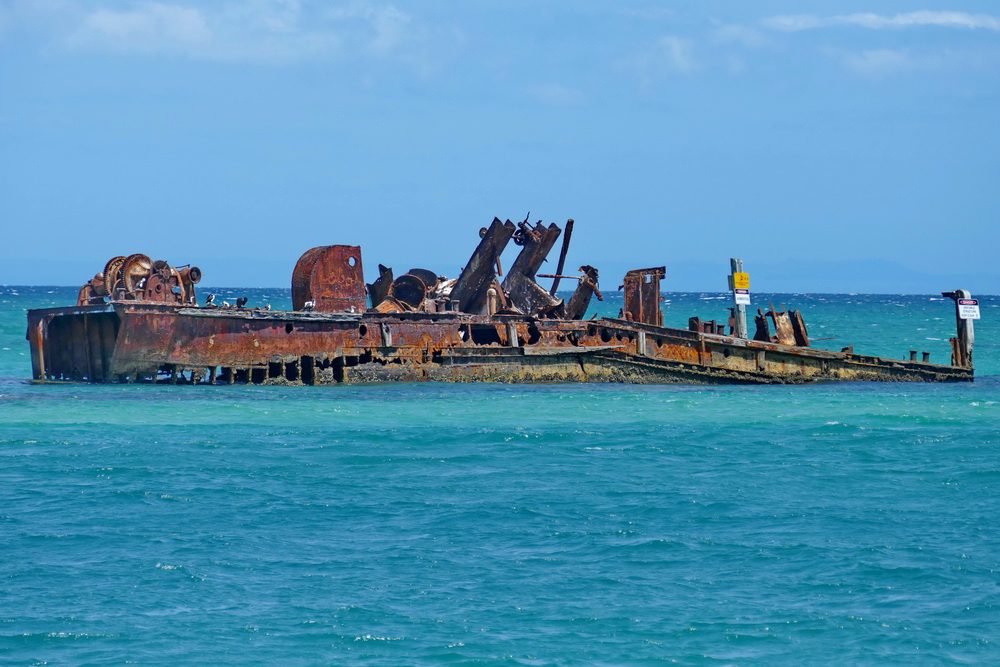
Stand on the sandy beach facing the semi-submerged steel hulls to capture the contrast between the turquoise water and rusted metal. This perspective is a favorite for those booking a moreton island snorkeling from brisbane tour to document the arrival.
Submerge your housing near the ship hulls to photograph schools of yellowfin bream weaving through the iron structure. Use a wide-angle lens to capture the marine biodiversity attracted to these artificial reefs during your moreton island snorkeling from brisbane experience.
Climb the nearby dunes for a high-angle shot looking down at the clear coastal channels and the wreck site. This location provides a panoramic scale for anyone using moreton island snorkeling from brisbane tickets to explore the island interior.
Swim to the northernmost section of the wrecks where the tide creates distinct currents against the protruding metal frame. This angle highlights the rugged maritime history of this popular destination for those on moreton island snorkeling from brisbane tours.
Moreton Island snorkeling from Brisbane works well for families, but the appeal (soft-sand tracks, tidal wrecks, and open water at the Tangalooma Wrecks) means young kids need snug-fitting masks, a properly sized snorkel vest, and close adult supervision at all times. Expect a full day out, so build in shade breaks and simple realistic goals rather than trying to cover the whole island.
Kids from about 6-7 who can comfortably wear a mask and snorkel and swim unaided do best; toddlers and non-swimmers can still wade and view fish from the shallows at the Tangalooma Wrecks with a parent holding on.
Bring a well-fitted junior mask (test the seal before the trip) and a bright, snug snorkel vest rather than oversized adult gear, since ill-fitting equipment is the main reason kids panic in the water.
Currents around the wrecks shift with the tide, so keep young children within arm's reach and stick to the calmer, shallower sections rather than swimming out to the deeper hulls.
Moreton Island has soft sand and unsealed 4WD tracks, so strollers are impractical beyond the immediate beach access points; a rear or front carrier works better for toddlers.
Split the day into a morning snorkel session while the water is calmer, a shaded lunch break, and a shorter second swim rather than one long stretch in the water, which tires young kids quickly.
Toilets and basic rinse-off showers are available near the main beach access at Tangalooma, but baby-change facilities are limited, so pack a portable mat and extra layers for changing outdoors.
Planning your moreton island snorkeling from brisbane adventure requires careful preparation, as dining options are concentrated at the resort, while the remote national park regions remain largely undeveloped. Visitors embarking on a moreton island snorkeling from brisbane tour should note that while resort venues offer full meals, those heading to isolated wrecks or coral reefs should plan accordingly.
Serves Asian-inspired share plates and wood-fired pizzas near the beach. Popular for post-dive dinners when securing moreton island snorkeling from brisbane tickets for late return ferries.
Everything you need to know for your journey
The national park is open 00:00–23:59 daily, though specific tour times depend on ferry schedules. Always plan your arrival for the 07:30–10:00 window for the best start.
There is a 0 AUD entrance fee to the national park, though transport and tour operators charge for their services. This ensures basic access to the protected marine environment.
The best time for a moreton island snorkeling from brisbane experience is during the spring or autumn months. This provides a balance of mild air temperatures and excellent water clarity.
Most moreton island snorkeling from brisbane tours are suitable for all ages, provided they can swim. Check with your specific operator for individual safety requirements.
Yes, you may bring your own mask and snorkel for your moreton island snorkeling from brisbane experience. However, professional-grade equipment is typically provided by tour operators.
Yes, snorkeling at the wrecks is beginner-friendly due to the calm, protected waters. Guides are on hand during your moreton island snorkeling from brisbane tour to assist.
Cancellations are managed by your operator based on their policy. Contact them directly to reschedule your moreton island snorkeling from brisbane booking if weather impacts operations.
Food availability is limited on the island, so pack a lunch for your moreton island snorkeling from brisbane excursion. Always carry all trash back to the mainland.
You can often combine snorkeling with sand tobogganing or island hikes. Check if your moreton island snorkeling from brisbane package includes these additions.
Historic lighthouse offering panoramic ocean views and whale watching opportunities in season. It is a key coastal landmark located on the northern tip.
One of the tallest vegetated sand dunes in the world providing expansive island vistas. A challenging hike rewards visitors with views of the bay.
A pristine freshwater lake perfect for swimming and relaxing away from the ocean beaches. The tea-tree infused water is a unique natural feature.
Beachfront resort offering direct access to snorkeling sites and island activities.
Join thousands of happy travelers who have discovered this incredible experience
Book Your Experience Now