
24 hr
Moreton Island Adventure Day Trip from Brisbane
- Expert local guide
- Small group
- Skip-the-line access
- Free cancellation
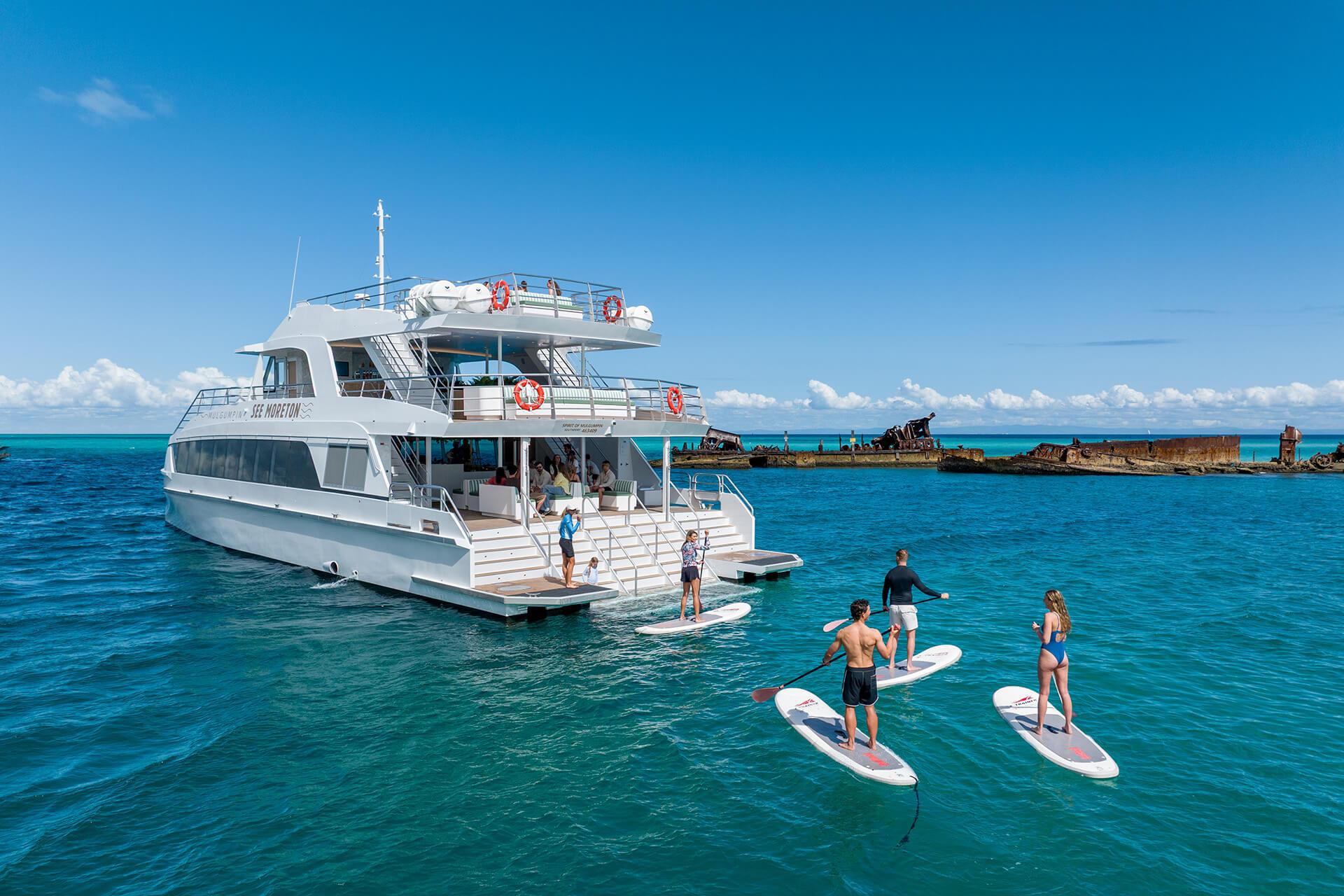
Moreton Island Snorkeling and Dolphin Feeding — Shipwrecks & Wild Encounters
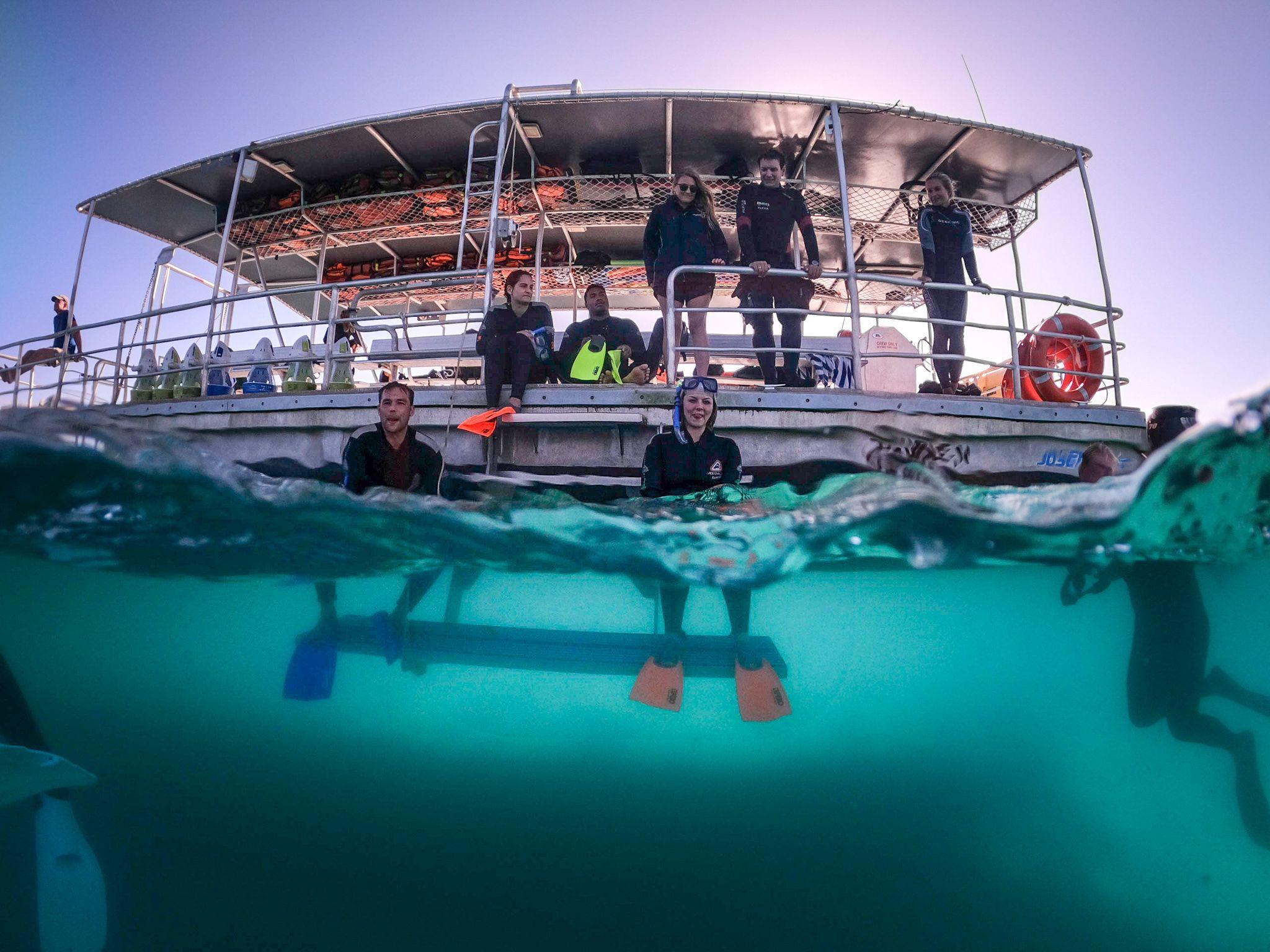
Crystal reef snorkeling at dawn, wild dolphins at sunset
Compare fares, pick the fit — all bookings are mobile-voucher and eligible for free cancellation where shown.
24 hr
24 hr
8 hr
Selecting the right package for moreton island snorkeling and dolphin feeding depends largely on whether you prefer an all-inclusive guided experience or the flexibility of an independent day visit. Choosing a comprehensive moreton island snorkeling and dolphin feeding tour ensures seamless logistics, including ferry transfers, equipment hire, and expert supervision for wildlife encounters.
|
Top pick Day Cruise Package Resort-Inclusive Access |
Independent Visitor Ferry & DIY | |
|---|---|---|
| Ferry Transfer | Included | Separate booking required |
| Snorkel Gear | Included | Bring your own |
| Dolphin Feeding | Supervised access | Not guaranteed/restricted |
| Resort Facility Access | Included | Not included |
| Lunch | Included | Bring your own |
| Best for | First-timers/Ease | Budget-minded/Flexibility |
| See tickets & prices |
Verdict: Most first-time visitors to the island will find the structured moreton island snorkeling and dolphin feeding tickets provide the most value by handling transport and activity logistics in one booking.
Worth it for combined adventure seekers
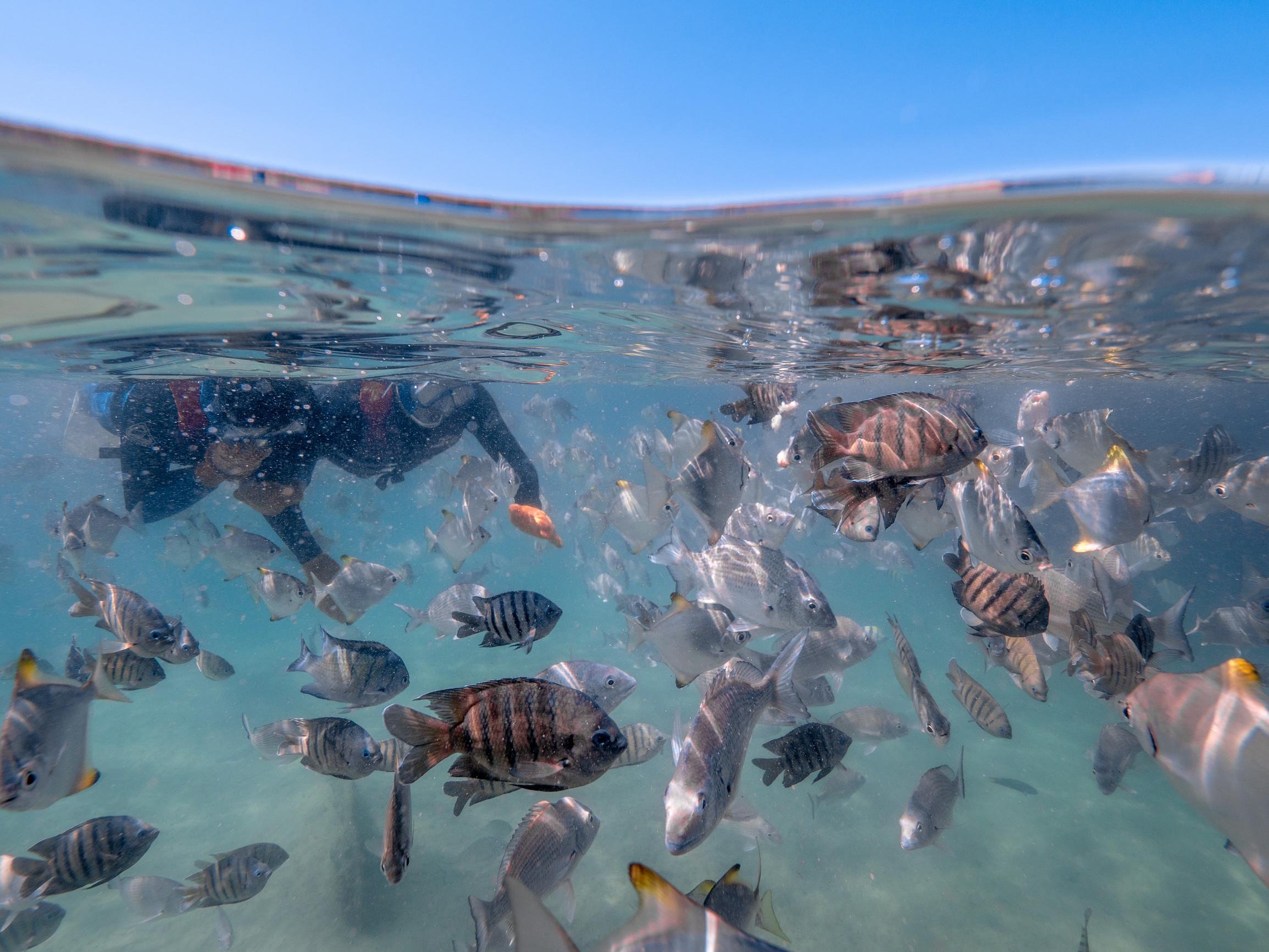
Moreton Island snorkeling and dolphin feeding delivers a rare dual experience you cannot replicate from shore. Day tours bundle ferry transfers, guided snorkeling at the Tangalooma Wrecks—where tropical fish weave through fifteen deliberately sunk ships—and sunset wild dolphin feeding on the beach. Prices start around 175 AUD for full-day packages that include equipment, lunch, and national park access. The value equation works for travelers prioritizing variety over depth: you get marine encounters, 4WD island exploration, and wildlife interaction in a single outing. Solo snorkelers seeking extended bottom time may find the structured schedule limiting, while families appreciate the all-inclusive logistics. The shipwreck site sits in shallow, calm water ideal for beginners, though visibility fluctuates with weather. Dolphin feeding is wild-animal dependent—pods visit most evenings but sightings are never guaranteed. If your goal is checking multiple boxes in one day trip from Brisbane without independent vehicle logistics, the bundled moreton island snorkeling and dolphin feeding tours justify the cost.
Bottom line: The combined moreton island snorkeling and dolphin feeding experience pays off when you value packaged convenience and diverse activities over specialized depth in either pursuit.
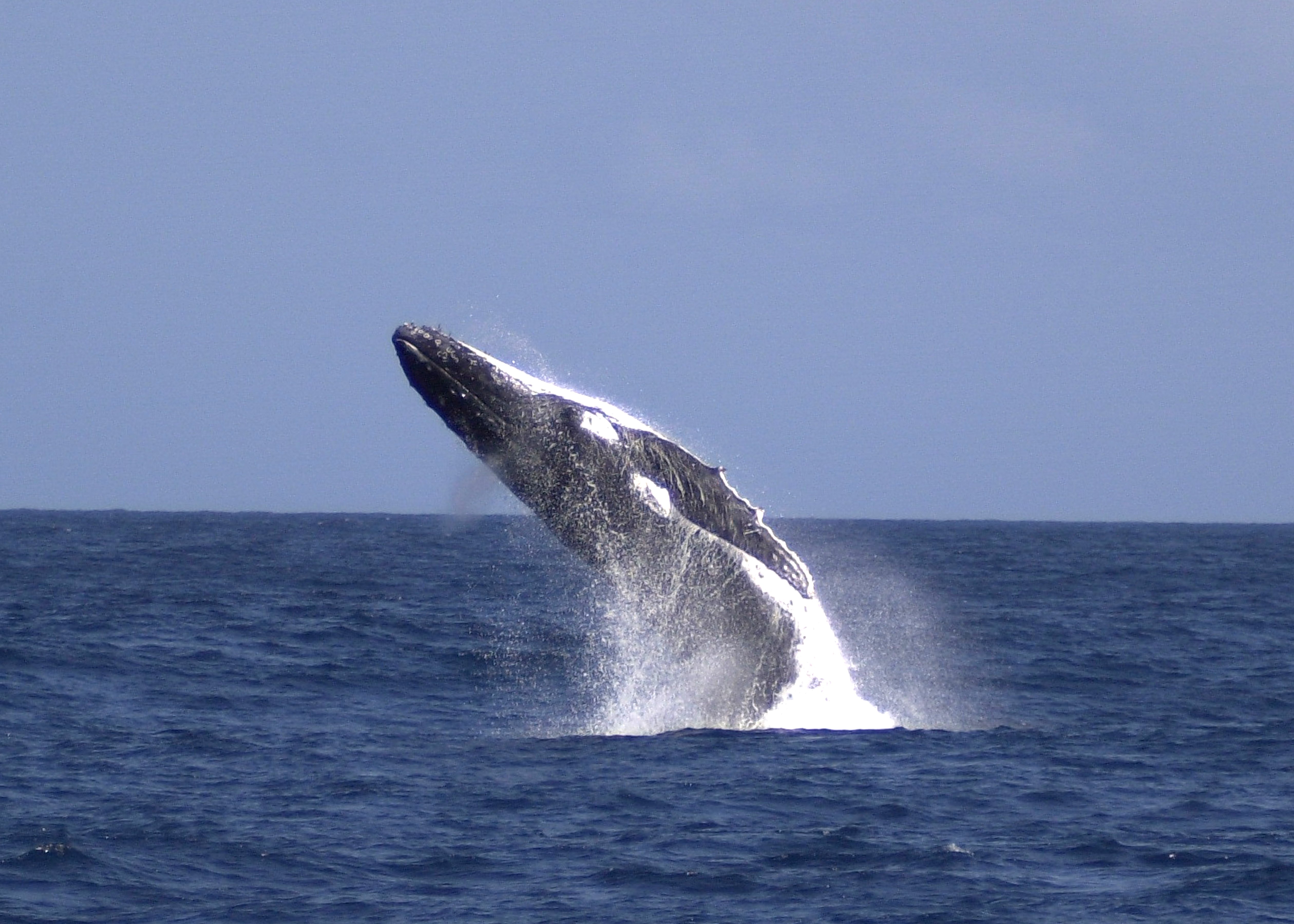
They complement each other; most visitors who do both call the shipwreck snorkel the more active, hands-on choice, while whale watching offers a broader marine wildlife spectacle.
|
Top pick Snorkeling & Feeding |
Whale Watching Cruise | |
|---|---|---|
| Primary Activity | Snorkeling shipwrecks and hand-feeding dolphins | Observing migrating humpback whales |
| Seasonal availability | Year-round activity | June to October only |
| Water entry | Yes, swimming and wading | No, boat-based observation only |
| Intensity level | High, requires physical swimming | Low, relaxed boat cruising |
| Best arrival time | 07:30–10:00 | 07:30–10:00 |
| Equipment provided | Snorkel, fins, and wetsuit | Binoculars and onboard facilities |
| Entrance fee | 0 AUD (National park free) | 0 AUD (National park free) |
| See tickets & prices |
Verdict: Choose moreton island snorkeling and dolphin feeding tickets if you want an interactive day in the water, or book a whale watching cruise if you prefer spotting marine giants from the deck during winter.
Hand-picked experiences loved by thousands of travelers
1 day
Free Cancellation
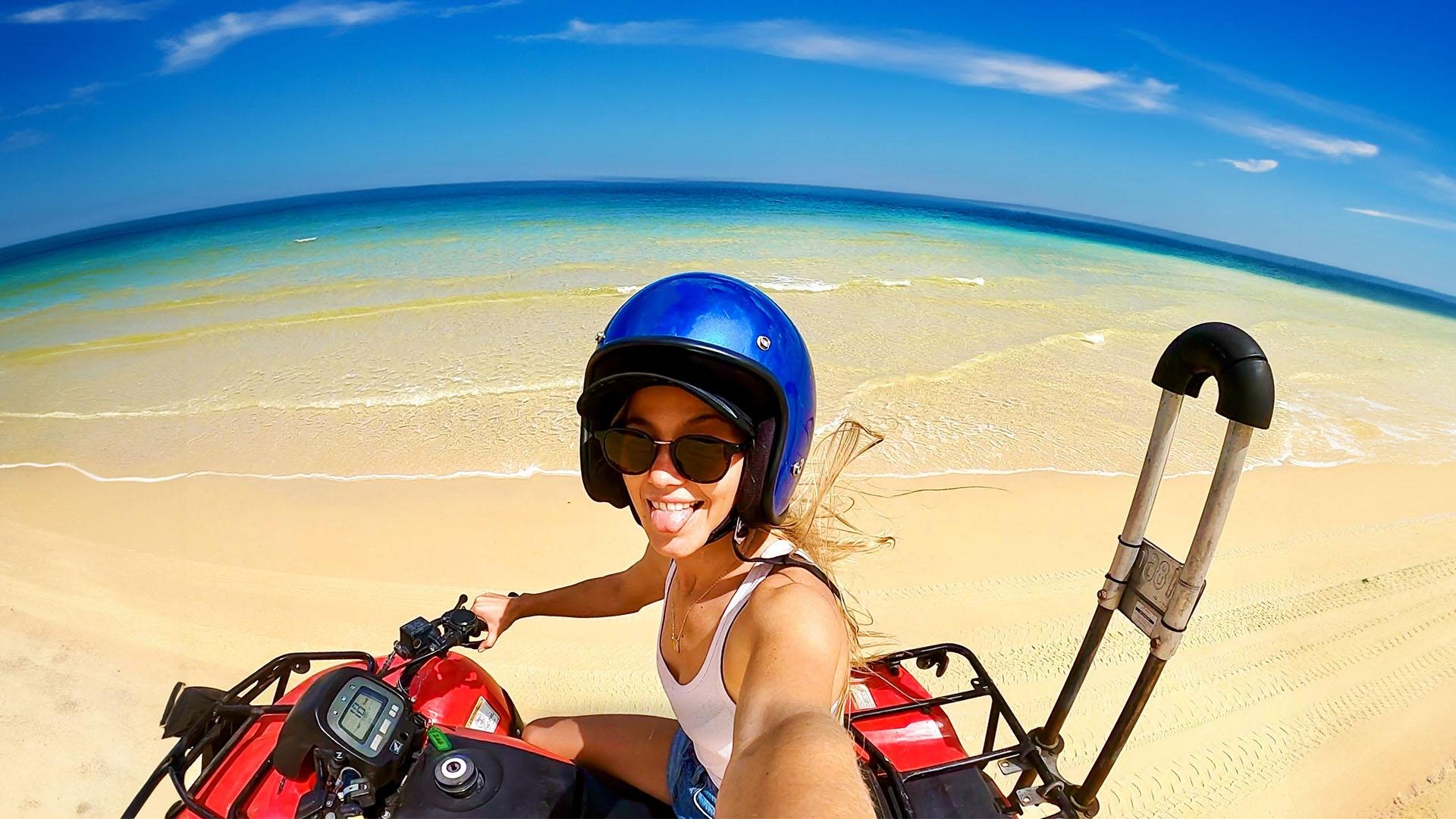
High-speed ferry to Tangalooma, thrilling quad bike ride through dunes, plus full resort access and lunch
1 day (approximately 12-13 hours including transfers)
Free Cancellation
Full-day cruise from Brisbane to Tangalooma with guided wreck snorkeling, wild dolphin encounter, and resort access
1 day
Free Cancellation
Full-day island escape from Brisbane with guided reef snorkeling, resort amenities, and dolphin encounters
1 day
Free Cancellation
Full-day island adventure combining marine wildlife encounters with resort leisure time
8 hours
Free Cancellation
Dive into crystal waters at Tangalooma shipwrecks, relax on sandy shores, and encounter dolphins on this all-inclusive island escape
1 day
Free Cancellation
High-speed ferry to Tangalooma Resort, dune toboggan ride, wild dolphin feeding at sunset
1 day
Free Cancellation
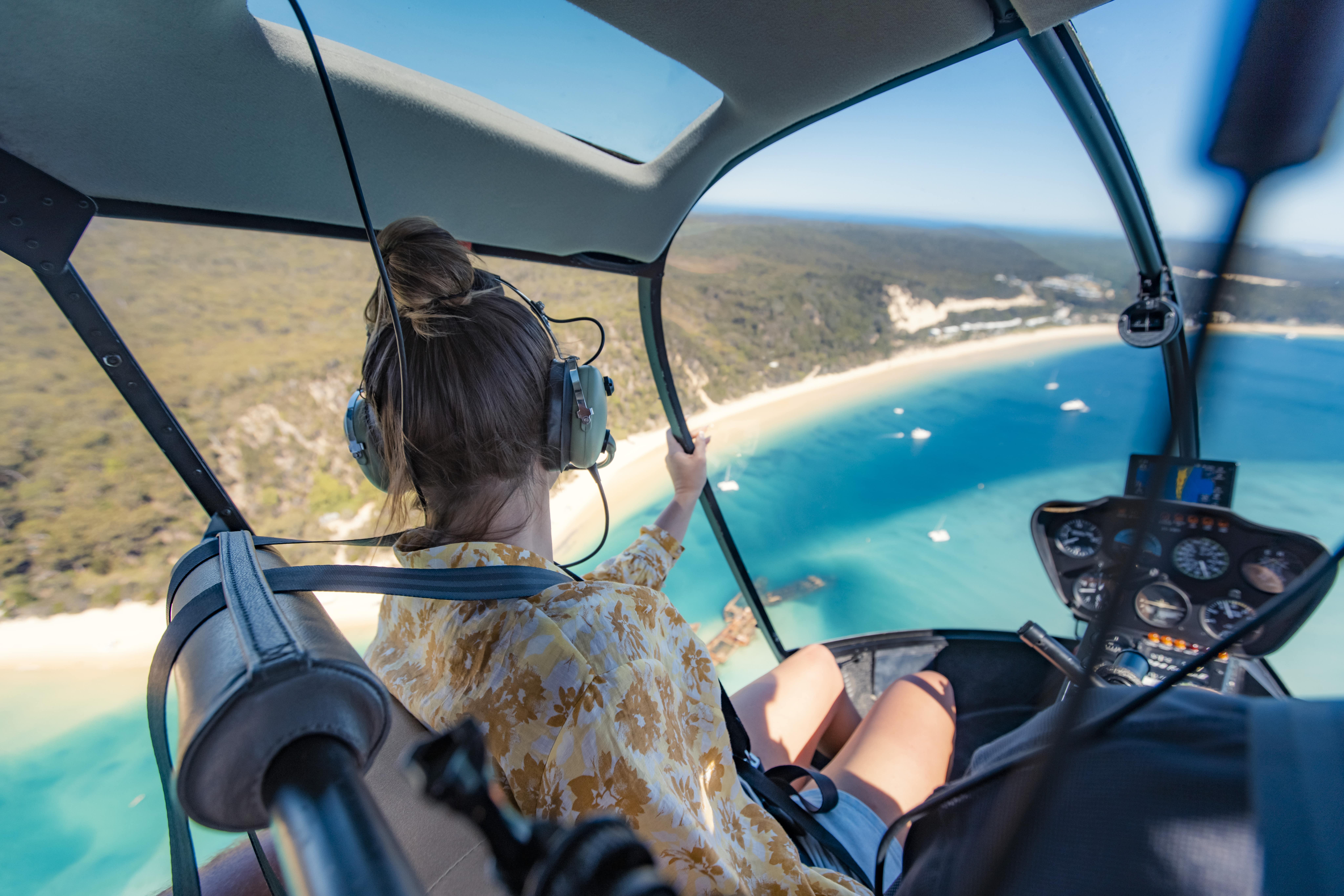
Full-day island escape with shipwreck snorkeling, aerial helicopter tour, and wild dolphin encounter at sunset
1 day
Free Cancellation
Full-day island escape with shipwreck snorkeling, resort access, sunset drinks and dolphin encounters
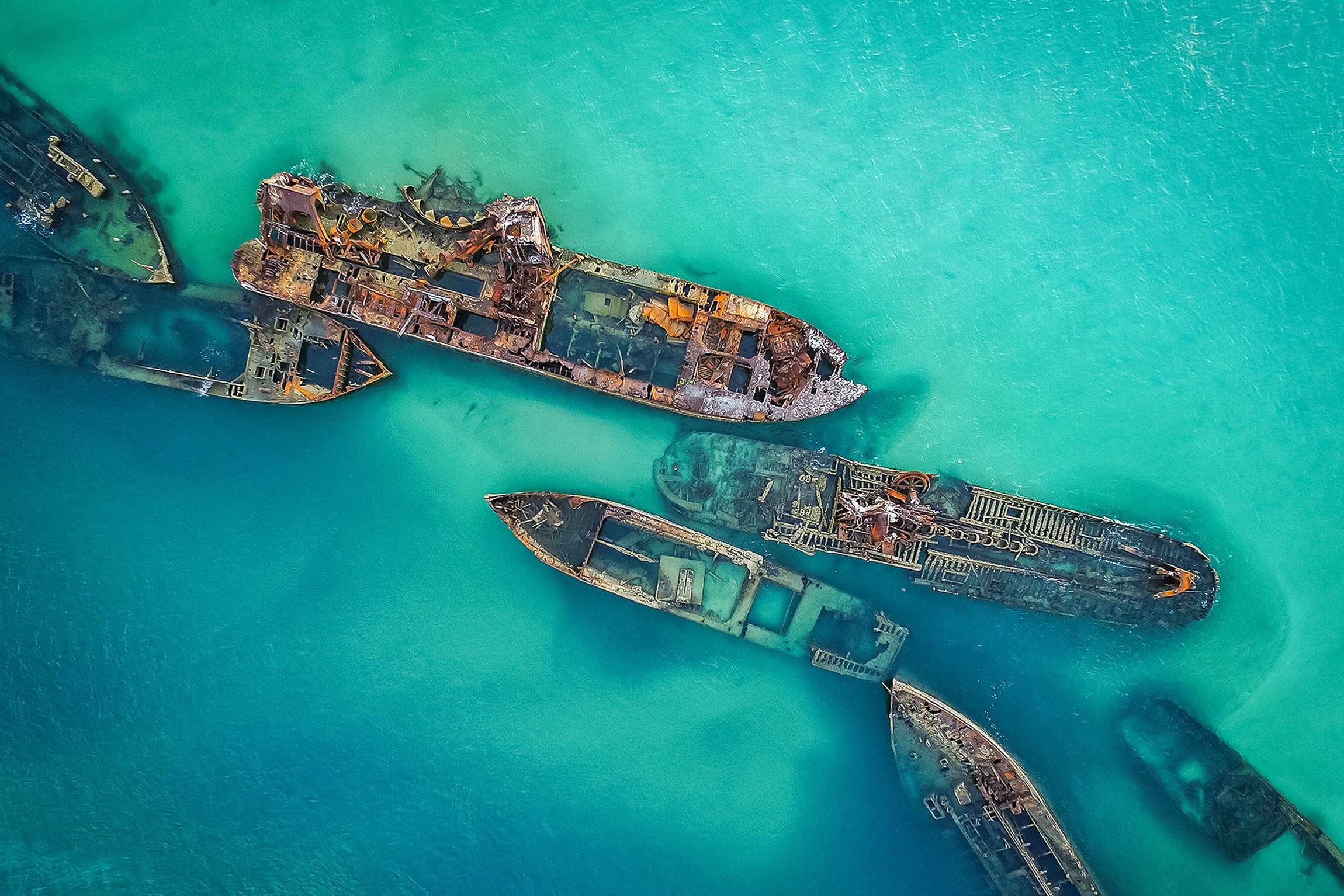
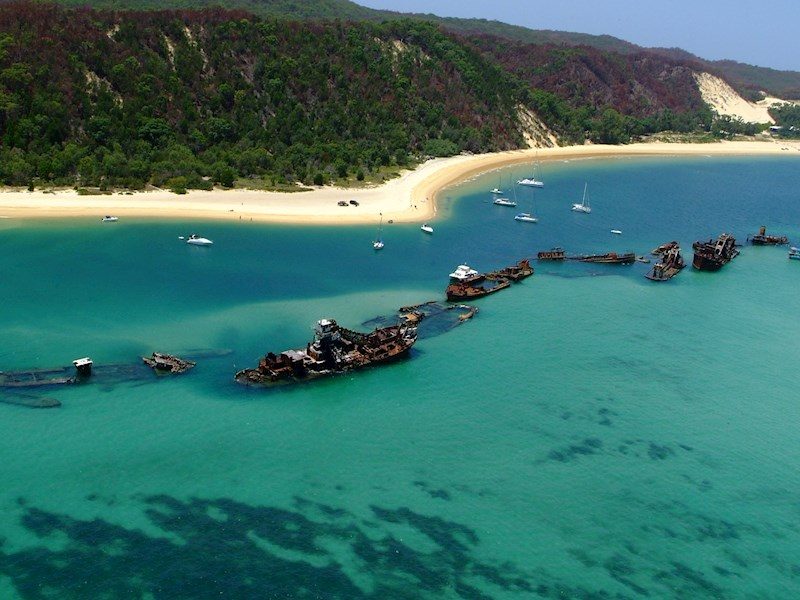
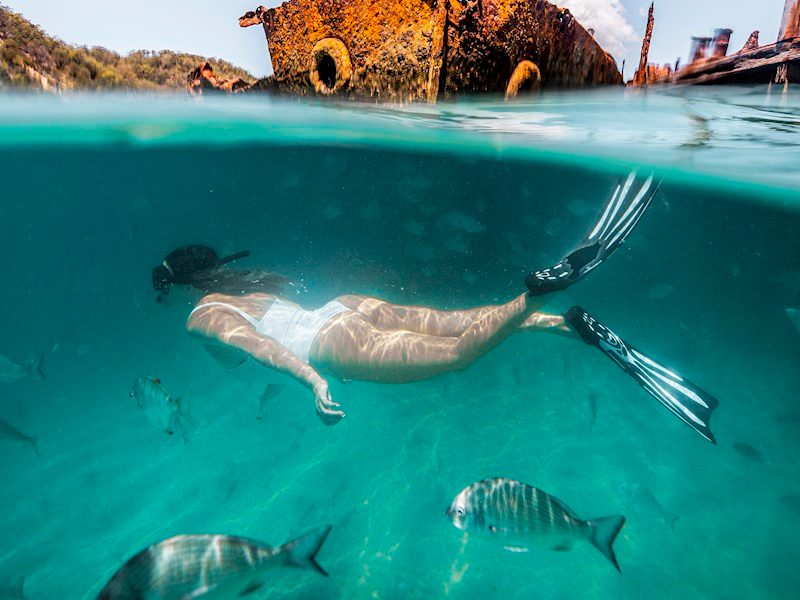
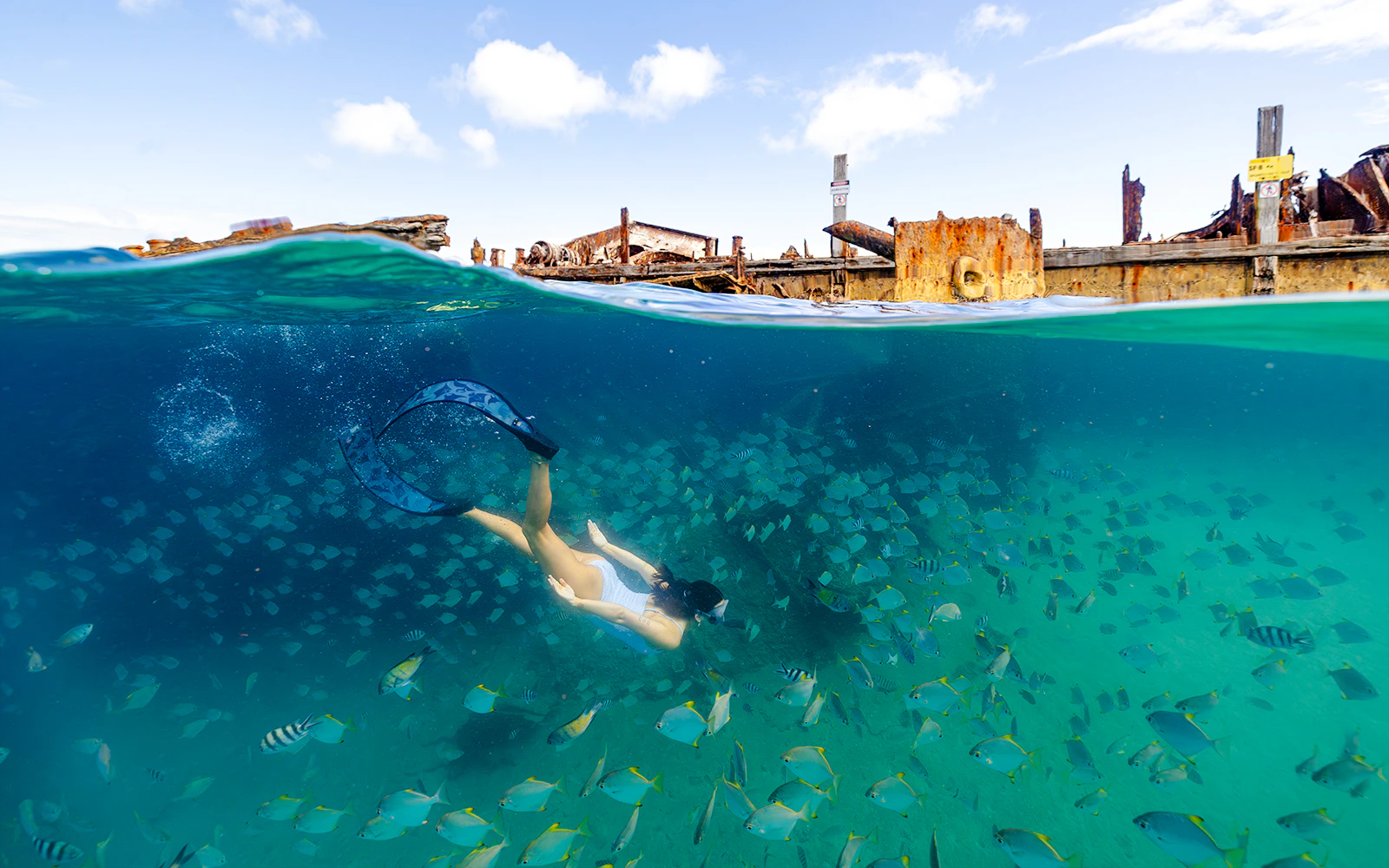
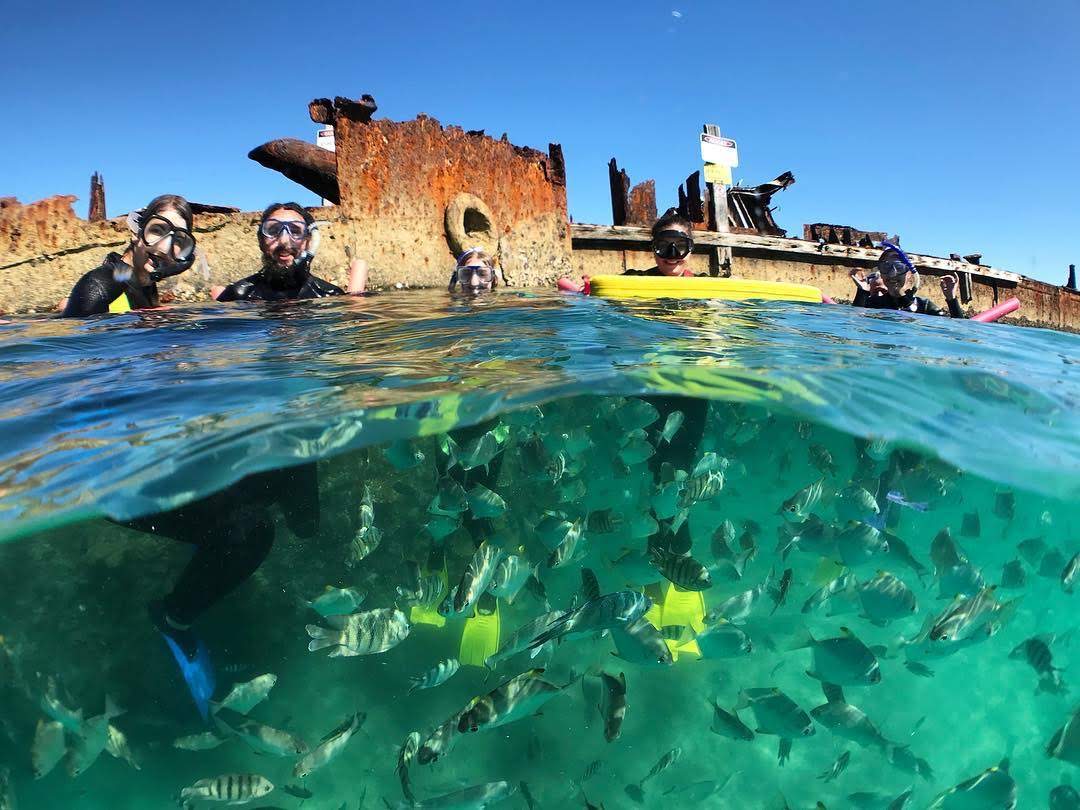
A row of 15 ships deliberately scuttled between 1963 and 1984 to form a breakwater, now covered in coral growth and reef fish. The shallow, calm water between the hulls makes it one of the more accessible snorkeling spots on the Queensland coast.
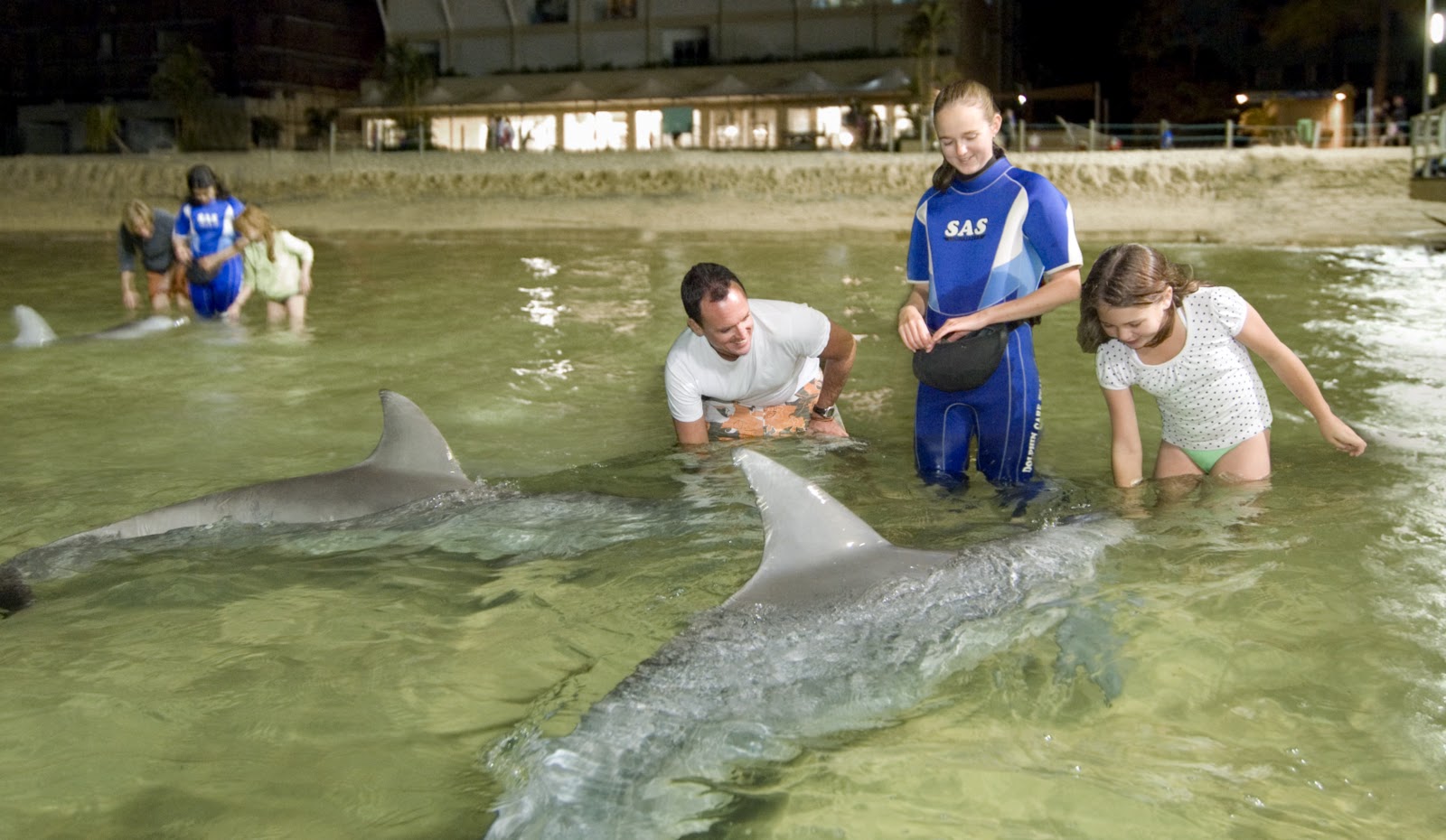
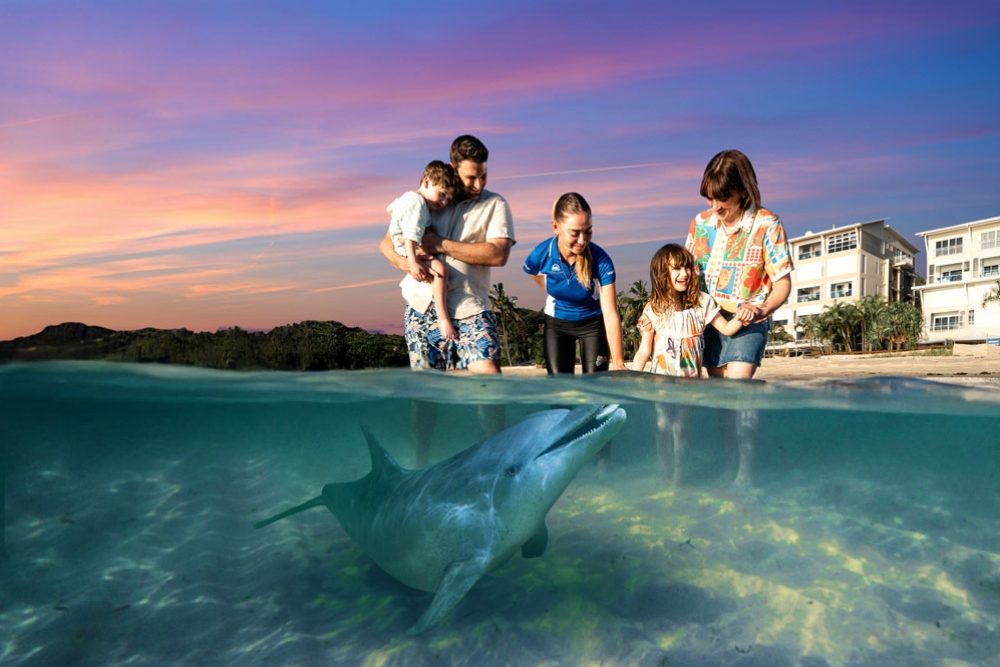
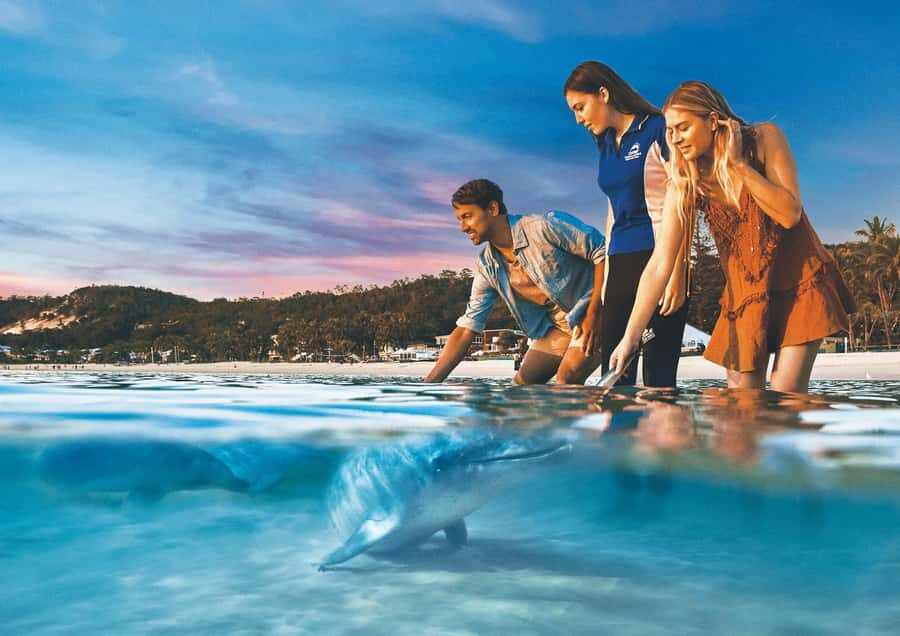
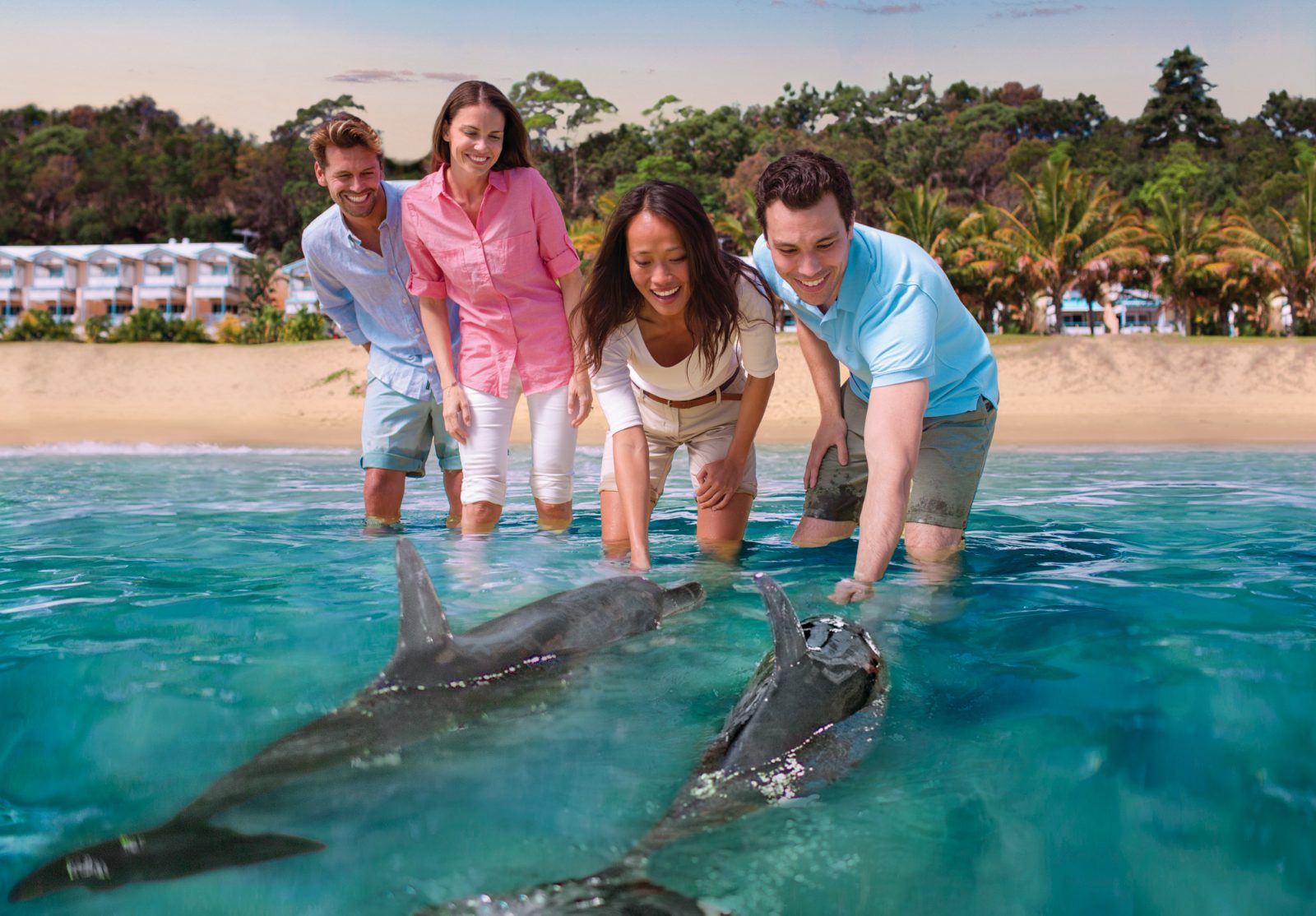
A shallow stretch of beach in front of Tangalooma Island Resort where a pod of wild bottlenose dolphins has returned most evenings since the 1990s. Guests wade in at dusk to hand-feed fish under staff supervision.
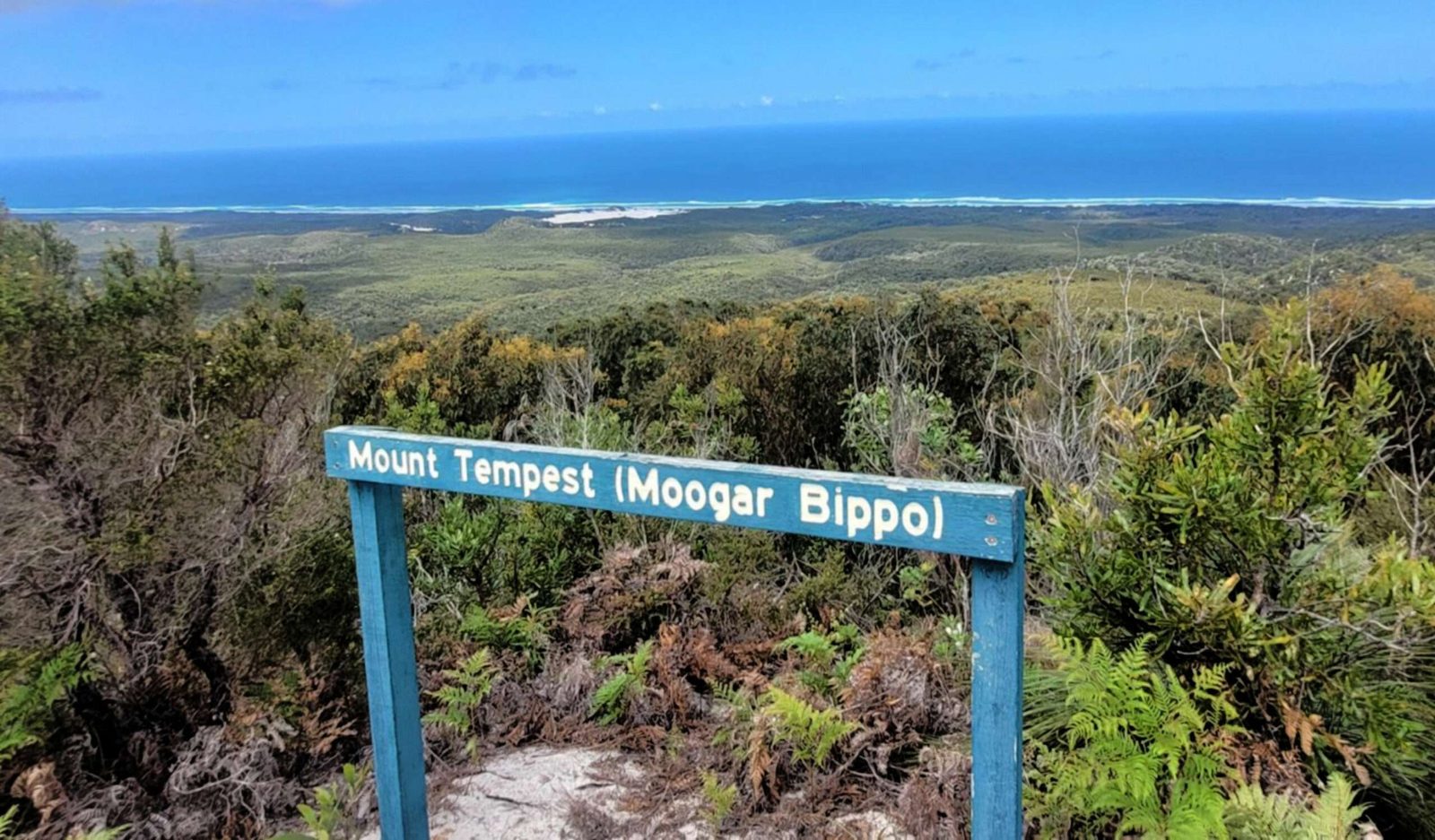
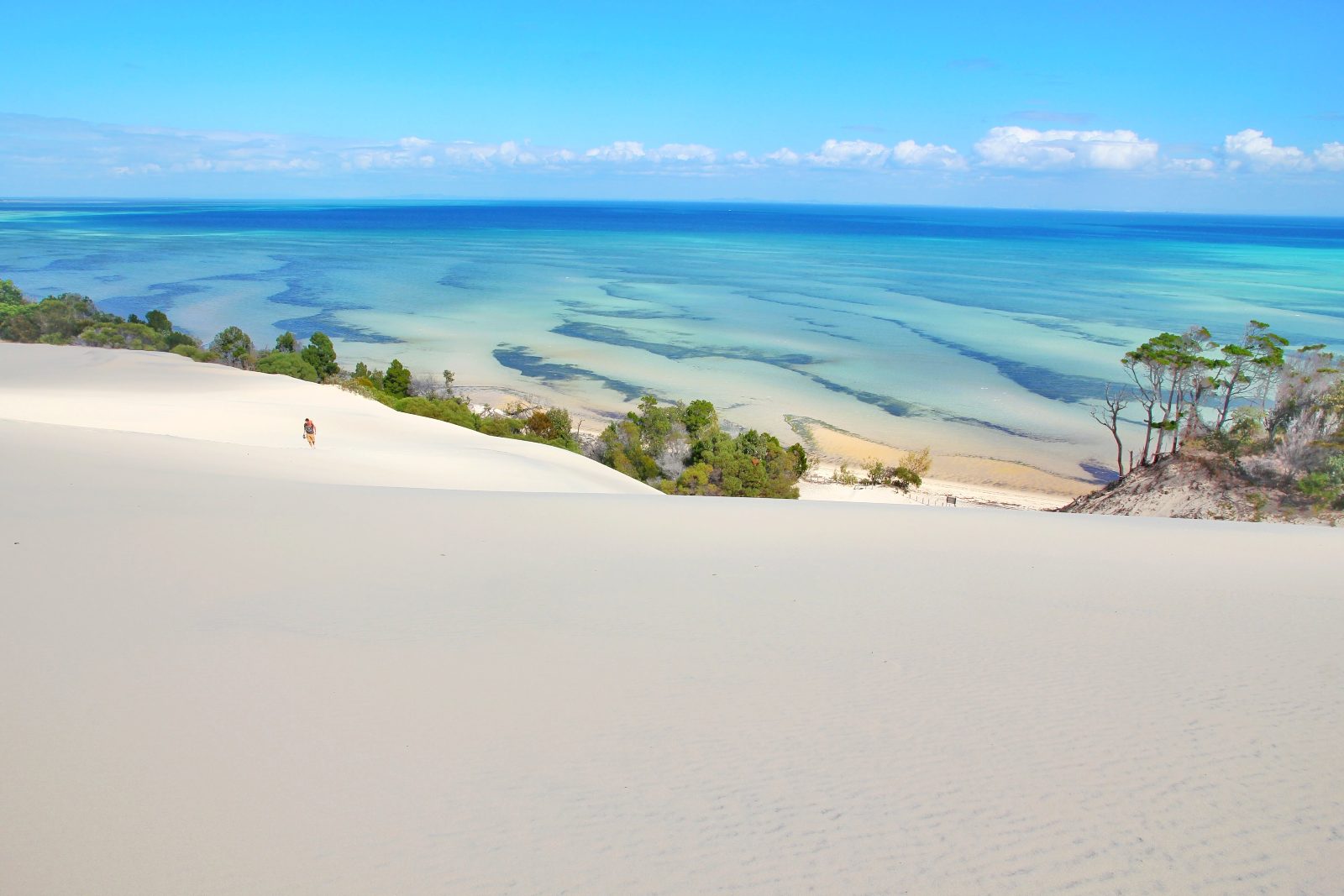
Rising to around 280 meters, this dune is considered one of the tallest coastal sand dunes in the world. The sandy ascent takes about 45 minutes round trip and reveals views over the island's forest and coastline.
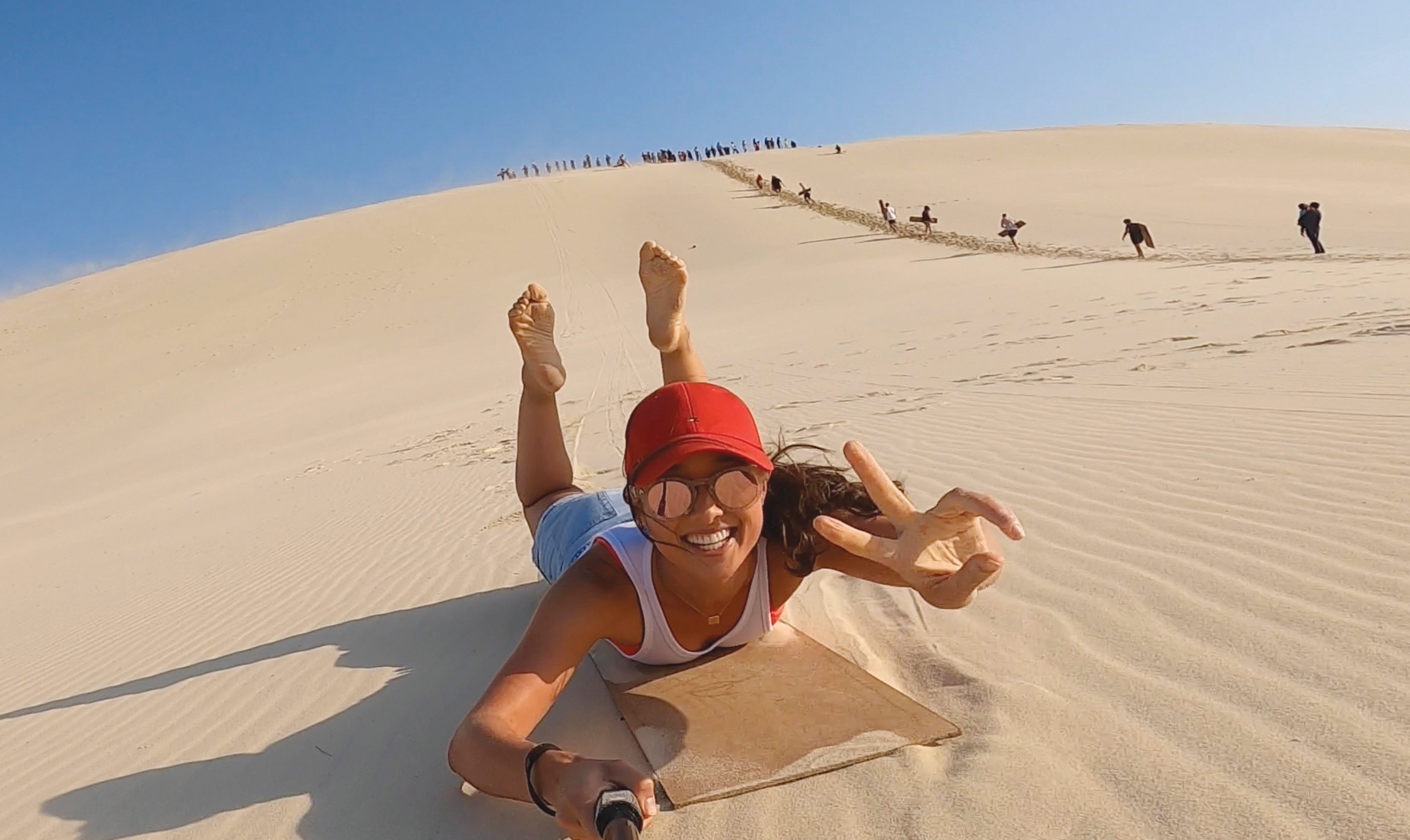
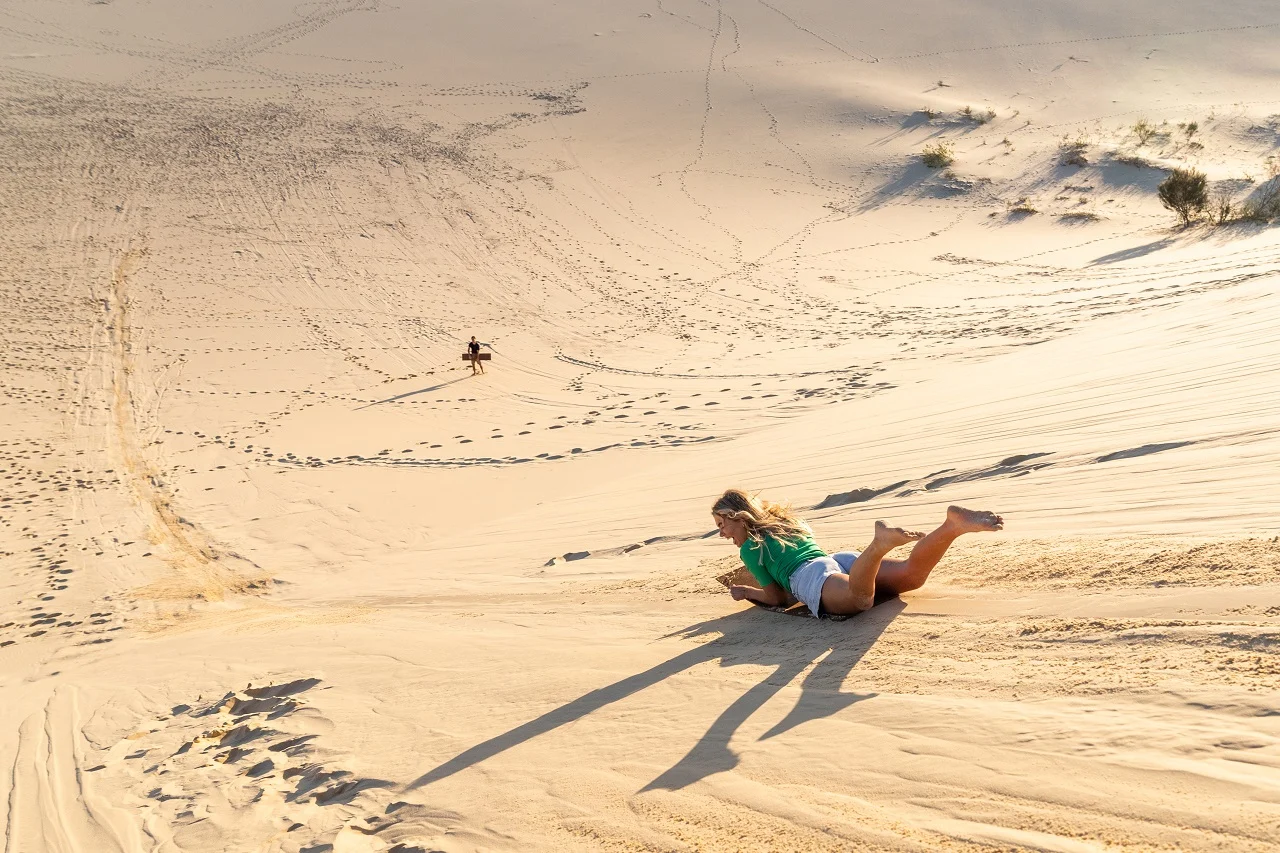
An exposed patch of bare, wind-shaped sand in the island's interior, popular for sandboarding down its steep faces. It stands out sharply against the surrounding eucalypt woodland just meters away.
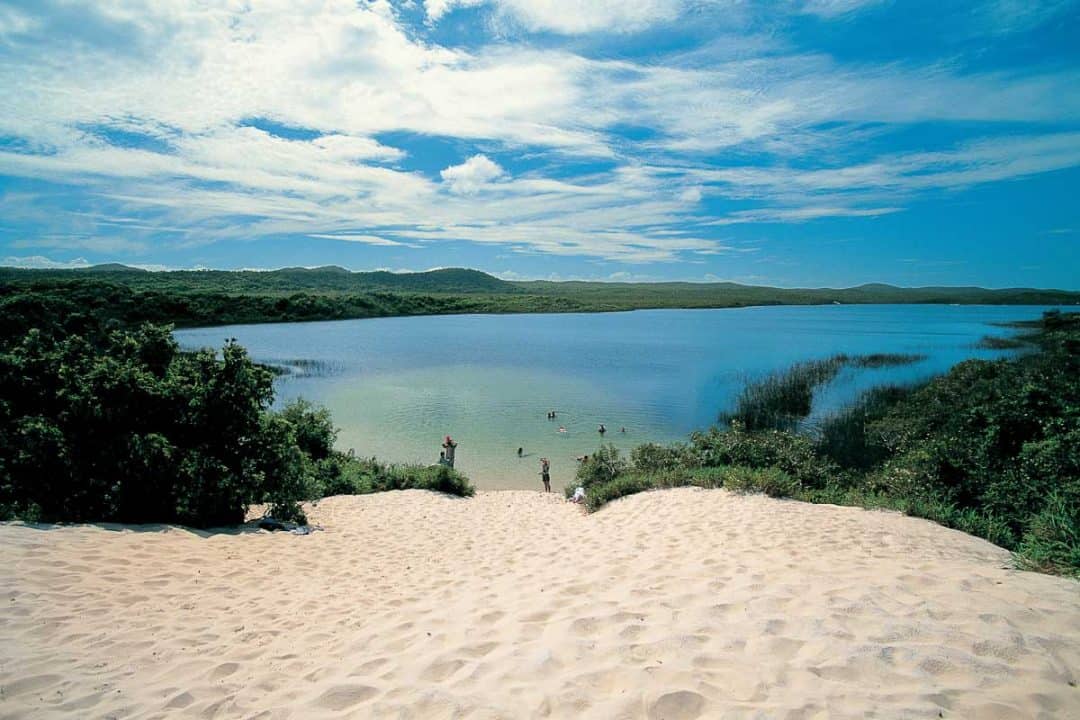
A freshwater perched lake colored amber by tannins from surrounding vegetation, sitting on a bed of compacted sand dunes. It offers a calm swimming spot away from the ocean surf and dolphin feeding crowds.
You board the ferry at Brisbane's Holt Street terminal before eight, crossing Moreton Bay as the sun lifts over Stradbroke Island. The vessel docks at Tangalooma jetty ninety minutes later; you collect snorkel gear from the marine centre and walk two hundred metres north to the wreck site. The water is warm and clear.
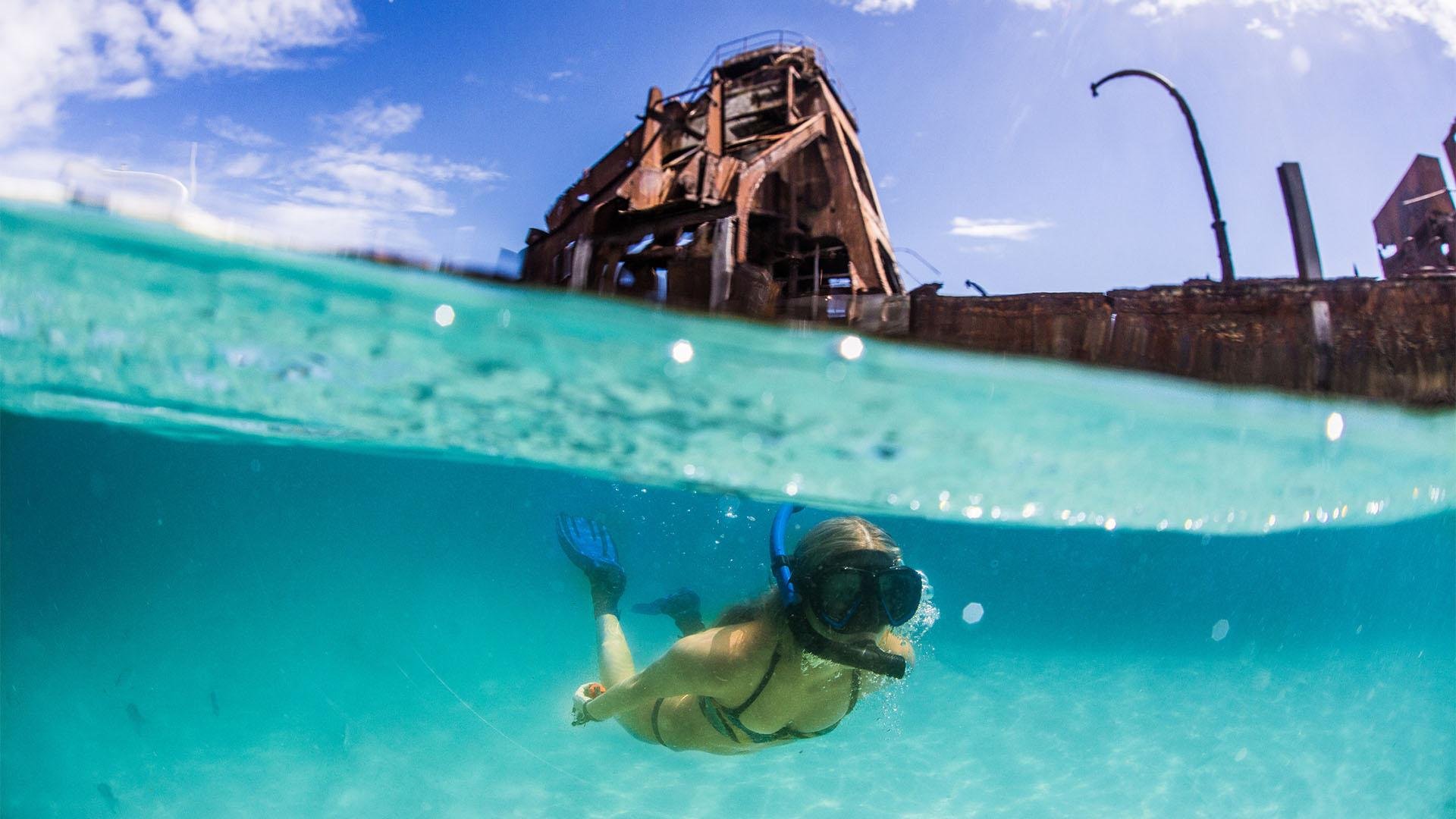
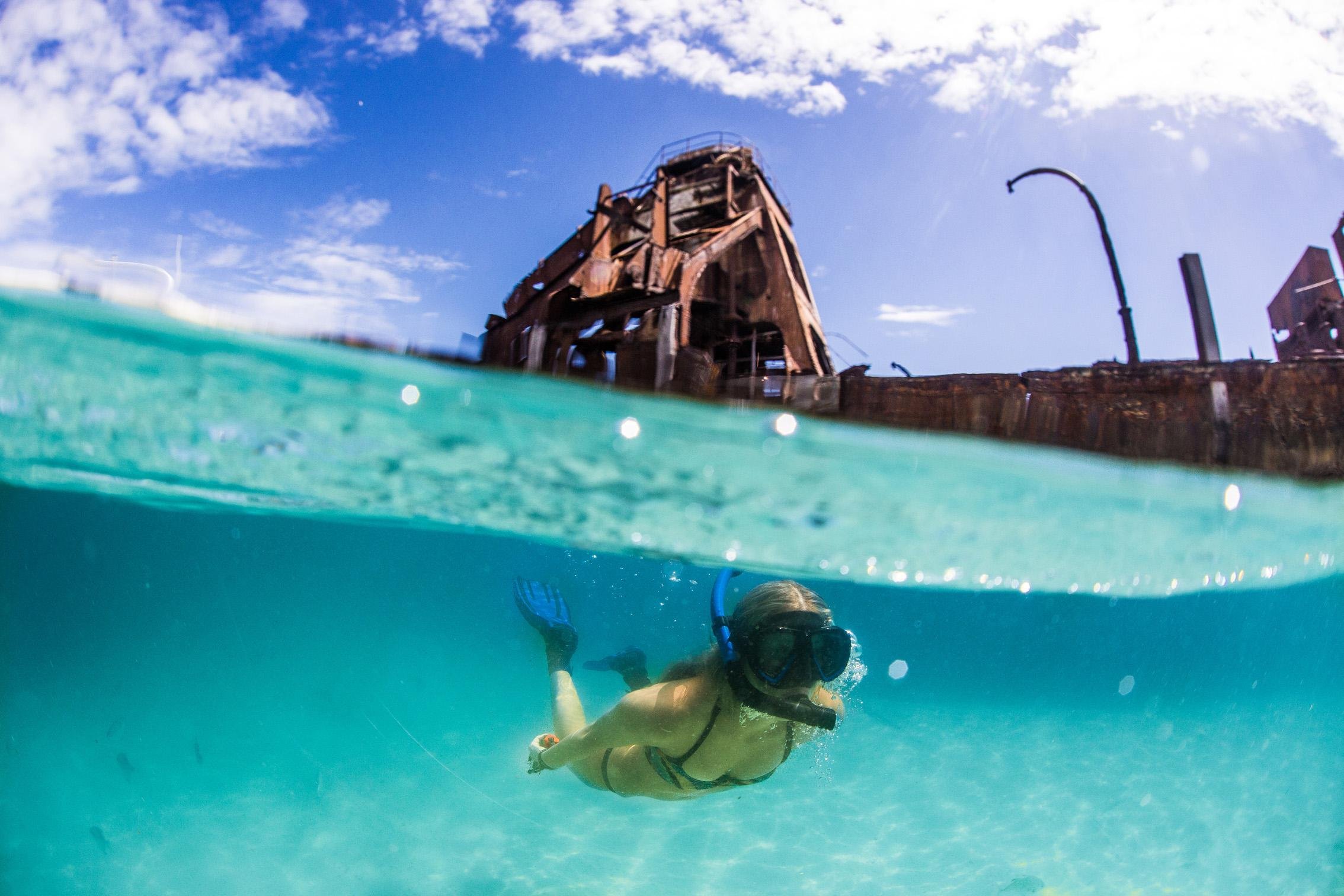
You kick out past the first hull, a rusted freighter lying on its port side, and watch a school of bream scatter into the kelp. Wobbegong sharks rest motionless on the sand below. You spend an hour drifting between the wrecks, following a green turtle as it surfaces for air.
After lunch you explore the island's interior or relax on the resort beach. At seventeen hundred hours you join the dolphin feeding briefing on the jetty. Rangers explain hand positions and distribution protocols. As the light softens, dorsal fins appear beyond the breaker line. You wade into knee-deep water and hold a fish steady; a dolphin glides past your legs and takes it cleanly. The animal circles back, surfaces, and exhales before returning to deeper water. The session lasts thirty minutes. You board the return ferry at sunset, the island's dune ridges dark against the western sky.
All the details about your upcoming adventure in one place
Fifteen deliberately scuttled vessels rest in eighteen metres of turquoise off Tangalooma Point, their steel frames now encrusted with hard coral and patrolled by schools of trevally, kingfish, and wobbegong sharks.
The Queensland Government sank these ships between 1963 and 1984 to create a protective breakwater for small craft; fifty years later, the Tangalooma Wrecks form one of Australia's most accessible artificial reef systems. Moreton Island itself is the world's third-largest sand island, a 38-kilometre shield of silica dunes and casuarina forest that protects Moreton Bay's western shoreline. The island's Tangalooma Resort coastline draws more than three hundred wild Indo-Pacific bottlenose dolphins each evening, a predictable congregation that allows supervised hand-feeding under Queensland Parks and Wildlife protocols.
Moreton island snorkeling and dolphin feeding operates year-round within the island's national park boundaries, which occupy ninety-eight percent of the landmass. The wrecks lie in shallow water calm enough for novice snorkelers; visibility averages twelve metres during winter and early spring. Marine biologists record seventy species of fish within the wreck site, including schools of yellowtail scad that form dense curtains against the hull shadows. Green sea turtles and loggerheads forage in the seagrass beds two hundred metres south of the main wreck line. The island's western shore faces the mainland across twenty-five kilometres of protected bay, a geography that suppresses ocean swells and creates consistent snorkeling conditions from March through November.
The dolphin feeding program began in 1992 after a wild pod began approaching the resort jetty at dusk. Rangers now manage nightly encounters, limiting participant numbers and enforcing strict no-touch protocols to preserve the dolphins' wild behaviour. Each animal maintains a natural hunting range and chooses whether to approach the shallows; attendance averages twelve to eighteen individuals per evening. The combination of morning shipwreck snorkeling and sunset dolphin interaction defines the island's signature day-trip structure, accessible via seventy-five-minute ferry from Brisbane or helicopter transfer from the Gold Coast.
Fifteen deliberately scuttled vessels rest in eighteen metres of turquoise, their steel frames now encrusted with hard coral and patrolled by schools of trevally.
Swimwear under light, breathable clothing suits the boat crossing and beach activities at Tangalooma. Closed-toe reef shoes or sandals help on the rocky sections of the wrecks used for snorkeling.
Soft-sided bags or waterproof dry bags are recommended over hard luggage for the barge or boat transfer to Moreton Island. Bags may be checked by tour staff before boarding and before the evening dolphin feeding briefing.
Personal cameras and underwater housings are permitted around the Tangalooma Wrecks and during the dolphin feeding session. Flash photography and close approaches to the dolphins are discouraged to avoid disturbing the animals.
Children of most ages can join the dolphin feeding under staff supervision, though snorkeling at the wrecks is better suited to confident young swimmers. Life jackets are provided for younger participants during water activities.
Access to Moreton Island is by barge or boat only, and the terrain is largely sand tracks and beach, which limits wheelchair use in places. Tangalooma Island Resort, the hub for the dolphin feeding and snorkeling activities, has accessible facilities in its main resort area.
Bringing a reusable water bottle and snacks for the day is fine, but glass bottles are not permitted on the beach. Feeding the wild bottlenose dolphins is restricted to the small fish rations distributed by trained staff during the official evening session.
National park, no gate hours
Best arrival: 07:30–10:00
location
Opening hours
00:00 – 23:59
Getting there
City-center access via metro and bus
Accessibility
Most experiences are wheelchair-friendly — check individual tours
What to bring
Comfortable shoes, water, phone for mobile voucher
Public transport · 75-100 min crossing · Ferry fares vary by operator and package
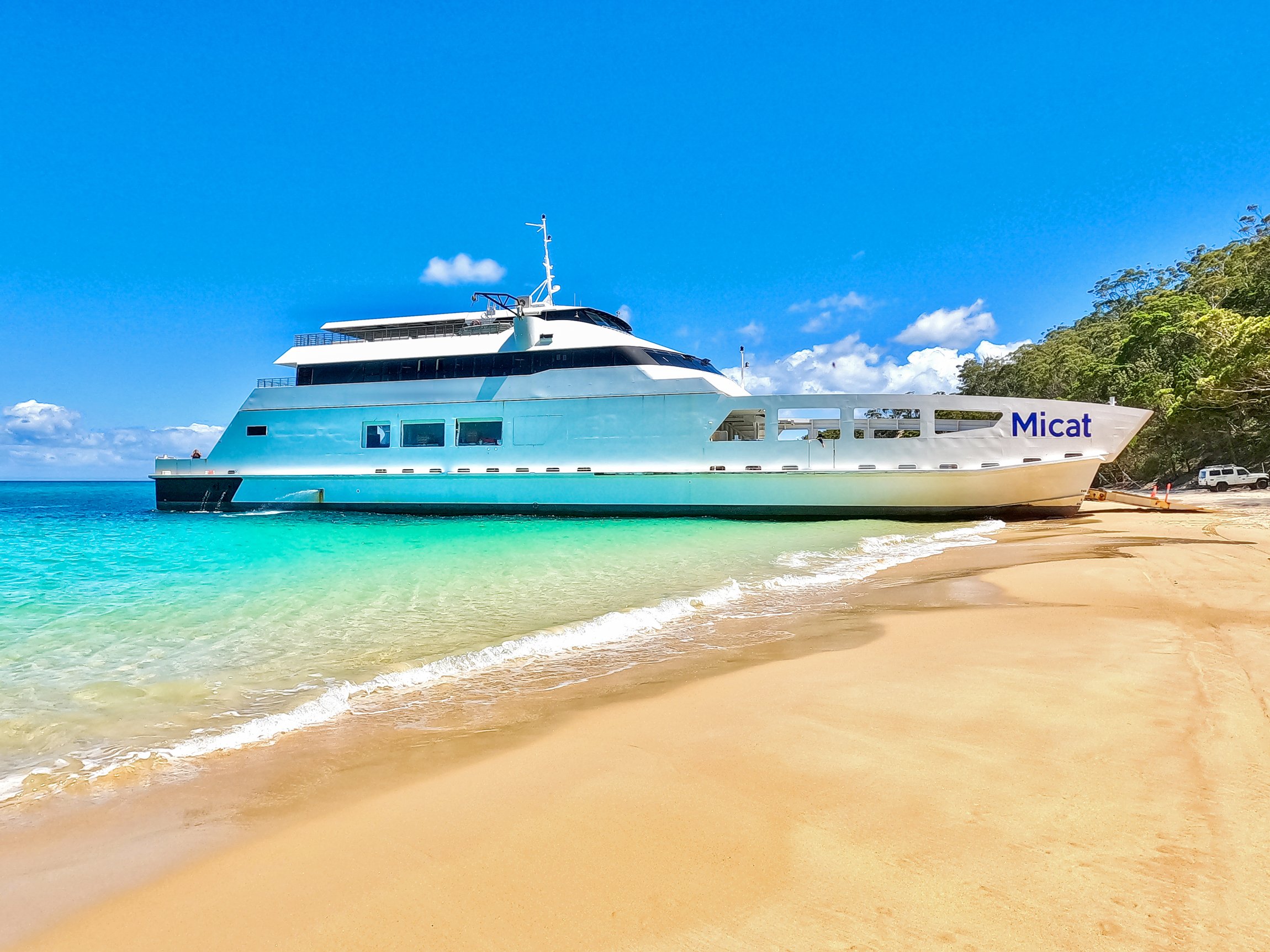
Catch a TransLink bus or train to the Brisbane ferry terminals, then board a Tangalooma or Micat ferry to Moreton Island. No public roads connect the island to the mainland.
Entrance to the national park itself is free, so no refund applies to park access. Tour and vehicle permit bookings for the Moreton Island snorkeling and dolphin feeding experience typically allow free cancellation up to 24-48 hours before departure, with the exact window set by the operator at checkout.
Weather · crowds · average price — dots go green to amber to red as each metric rises.
Mild temperatures around 20-25°C make snorkeling comfortable and whale migration sightings are still possible offshore. Crowds are moderate ahead of the summer school holidays.
Weekend and school holiday ferry crossings to Moreton Island fill up, so reserve the crossing alongside any tour package in advance.
Tangalooma, Moreton Island QLD 4025
Main hub for snorkeling gear hire and dolphin feeding sign-in
Get directionsMoreton Island's transformation into a marine recreation destination began in 1952, when the Queensland government gazetted most of the island as national park, protecting its coastal ecosystems and dune systems. The island's Aboriginal custodians, the Ngugi people, had harvested marine resources from its waters for millennia before European settlement disrupted their custodianship in the 1850s. Commercial fishing camps dotted the western shore through the early twentieth century, but recreational use remained minimal until ferry services commenced from the mainland in the 1960s. The signature dolphin feeding program at Tangalooma emerged accidentally in 1992, when wild Indo-Pacific bottlenose dolphins began approaching the shore near the resort jetty, conditioned by discarded fish from returning trawlers. Marine biologists from the University of Queensland documented the interaction and proposed a managed feeding protocol to prevent dependency and maintain wild foraging behavior. By 1995, the program operated under strict permit conditions: limited feeding quantities, veterinary monitoring, and public education requirements. The moreton island snorkeling and dolphin feeding experience grew organically around this nightly ritual, with day-tour operators adding reef snorkeling at the fifteen nearby Tangalooma Wrecks—a ship graveyard deliberately created in 1963 to form a safe harbor. Expansion of the multi-activity model accelerated after 2008, when the Queensland Parks and Wildlife Service introduced zoned management plans separating marine sanctuary areas from recreational zones. Tour operators began bundling dolphin feeding tours with snorkeling excursions, sandboarding on the coastal dunes, and kayaking through mangrove channels. The island now receives approximately 300,000 visitors annually, with moreton island snorkeling and dolphin feeding tours accounting for the majority of commercial bookings. Marine sanctuary zones established in 2019 now protect critical breeding habitat for green sea turtles and dugongs, limiting snorkeling access to designated coral sites while preserving the evening dolphin interaction under continuing scientific oversight.
Ngugi people managed marine resources and seasonal fish camps across Moreton Island
Queensland government gazetted Moreton Island National Park, protecting coastal ecosystems
Fifteen ships deliberately sunk off Tangalooma to create sheltered harbor, forming artificial reef system
Wild bottlenose dolphins began regular shore approaches at Tangalooma resort jetty
Managed dolphin feeding program formalized under University of Queensland veterinary supervision and permit controls
Queensland Parks introduced zoned marine management, separating sanctuary areas from recreational snorkeling zones
Expanded marine sanctuary zones protected turtle and dugong breeding habitat, restricting snorkeling to designated coral sites
Stand on the beach facing the submerged hulls to capture the rusted metal against clear turquoise water during a moreton island snorkeling and dolphin feeding excursion.
Position your camera from the pier edge to capture the interaction between visitors and wild dolphins against the twilight horizon.
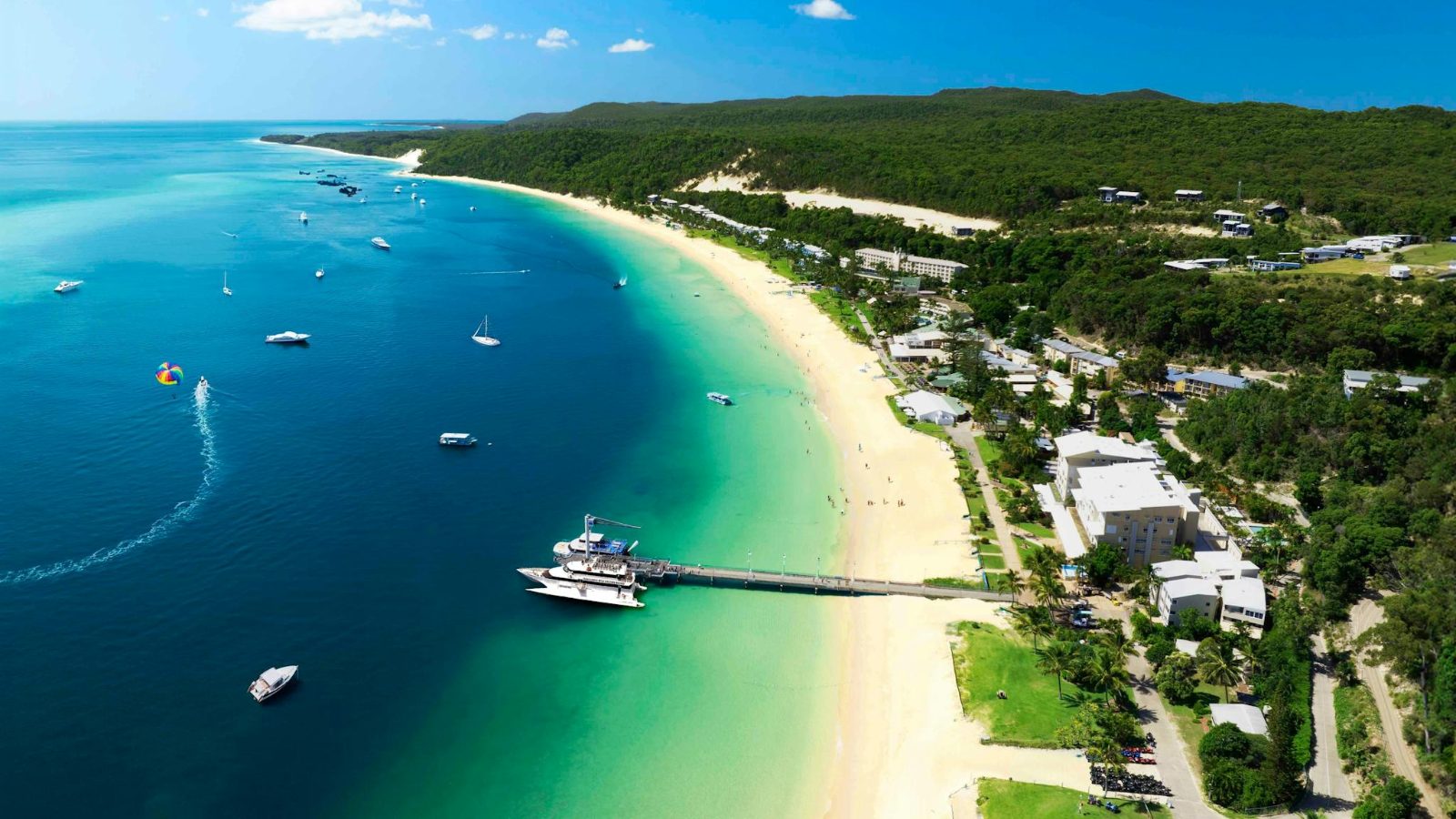
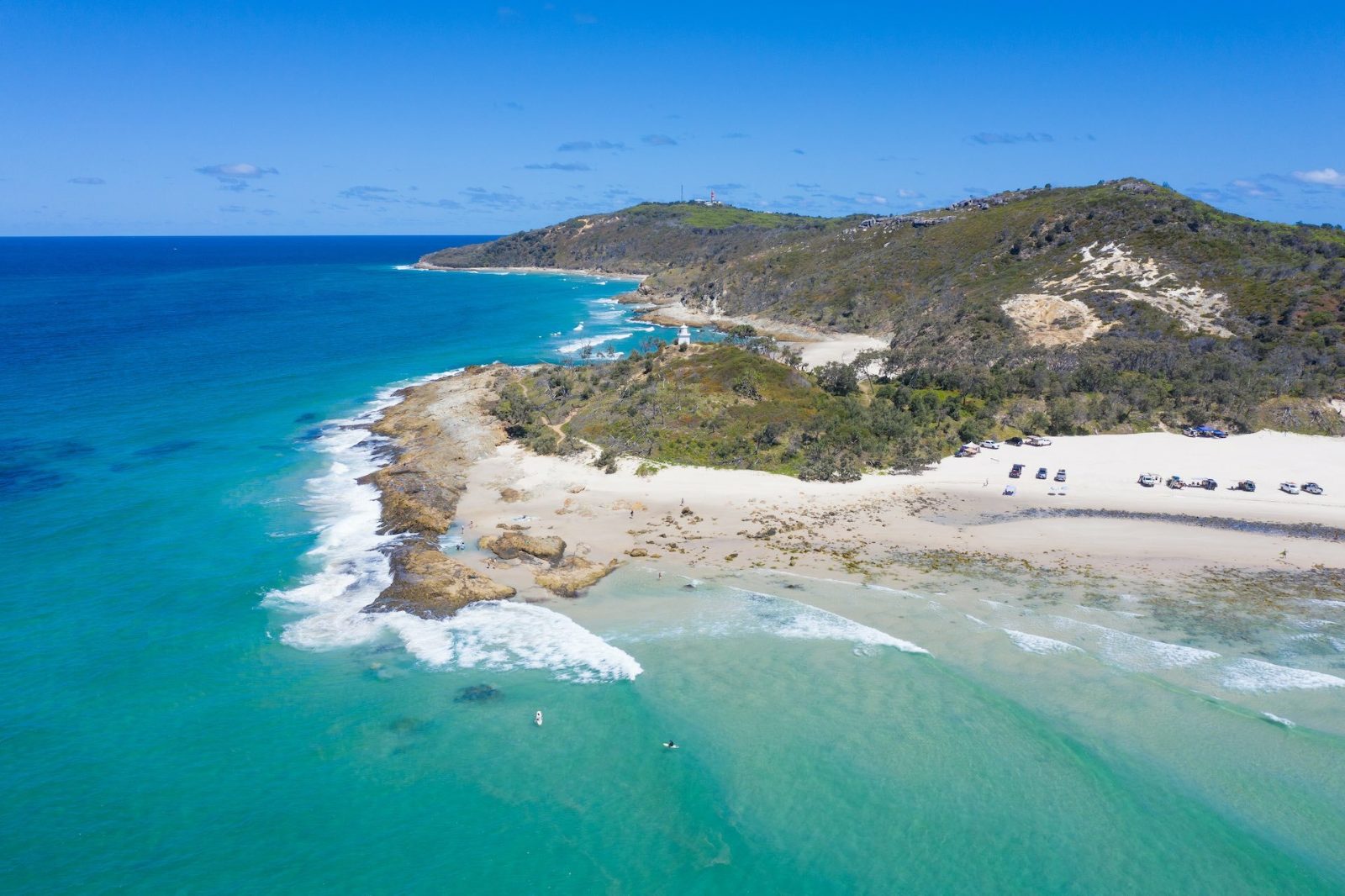
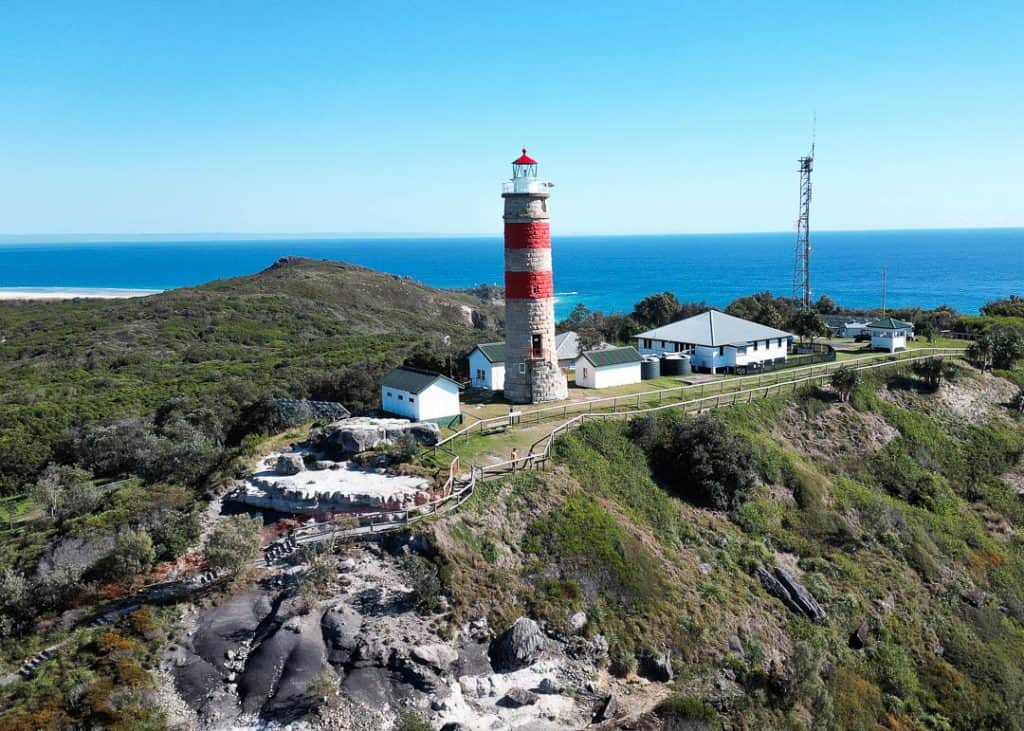
Walk to the northern headland for wide-angle shots of the coastline and surrounding coral reefs that define the experience of many moreton island snorkeling and dolphin feeding tours.
Capture the contrast of expansive sand dunes against the blue sky, providing a terrestrial break from your moreton island snorkeling and dolphin feeding tour.
Use the elevated vantage point to photograph the rugged cliffs and distant marine life, often included in moreton island snorkeling and dolphin feeding tickets packages.
Planning a trip involving moreton island snorkeling and dolphin feeding requires preparation to manage the island's natural environment with children. Coordinating a full day of coastal exploration ensures a smooth transition from aquatic activities to evening wildlife viewing.
Ensure children wear correctly fitted life vests during all marine activities, as currents around the shipwrecks can be unpredictable. Many moreton island snorkeling and dolphin feeding tours provide youth-sized equipment, but checking sizes in advance is recommended for comfort.
The island is largely sand-based, meaning strollers are not practical for navigating beach paths or sandy trails. Bringing a high-quality baby carrier is a better solution for parents managing younger children during their moreton island snorkeling and dolphin feeding tour.
The best arrival window is 07:30–10:00 to ensure kids are settled before midday heat sets in. This schedule allows for downtime in shaded areas, which is vital for keeping energy levels stable before booking moreton island snorkeling and dolphin feeding tickets for the sunset experience.
High-SPF sunscreen, rash guards, and wide-brimmed hats are essential since the reflection off the water and sand increases UV exposure significantly. Pack extra hydration and light snacks, as access to shops is limited once you are on the beach exploring the Tangalooma wrecks.
Most of Moreton Island is untouched national park with no shops, so anyone heading out for moreton island snorkeling and dolphin feeding should pack food and water for the day. Tangalooma Island Resort is the exception, running a few on-site dining options for day-trippers and guests around the sunset feeding session.
Casual burgers, pizzas and pub classics near the jetty. Busy around lunchtime and again before the evening dolphin feeding when day-trip groups return. Good for a quick refuel between activities.
Sit-down buffet with seafood and grill options, popular with families on multi-activity packages. Best booked ahead for dinner since it fills up fast after dolphin feeding wraps up.
Coffee, pastries and light lunches near the pool area. Good for a fast bite before or after snorkeling without committing to a full meal.
Beyond the resort, the island's beaches and bushland have no food vendors, so pack a cooler for the day. Suits anyone planning a longer stretch of snorkeling away from Tangalooma.
Everything you need to know for your journey
Moreton Island's national park areas are open 24 hours daily, though the dolphin feeding itself happens once at sunset and snorkeling is best done in daylight hours.
Entry to the national park is free; costs come from vehicle access permits and the tour or ferry packages needed to reach the island and join the dolphin feeding program.
Terrain on Moreton Island is mostly sand tracks and beach, so full wheelchair access is limited, though Tangalooma Island Resort's main facilities are accessible.
Glass containers, spearfishing gear, drones without approval, and any personal food intended for feeding the dolphins outside the official program are not allowed.
Photography is welcome around the Tangalooma Wrecks and during dolphin feeding, but flash and close approaches to the dolphins are discouraged to protect the animals.
Arriving between 07:30 and 10:00 avoids the midday heat and leaves enough time for snorkeling and other activities before the sunset dolphin feeding.
Swimwear with light, breathable clothing and reef shoes or sandals work best for the boat crossing, snorkeling and beach walking involved.
Reusable water bottles and personal snacks are fine, but glass bottles are banned on the beach and dolphin feeding uses only the fish rations supplied by trained staff.
Access is by ferry or barge from Brisbane or Redcliffe, since no roads connect Moreton Island to the mainland; the crossing takes roughly 75 to 100 minutes.
Most children can join the dolphin feeding under staff supervision with life jackets provided, though snorkeling at the wrecks suits confident swimmers better.
Park entry is free so no refund applies there; tour and ferry bookings usually allow free cancellation 24 to 48 hours before departure, depending on the operator.
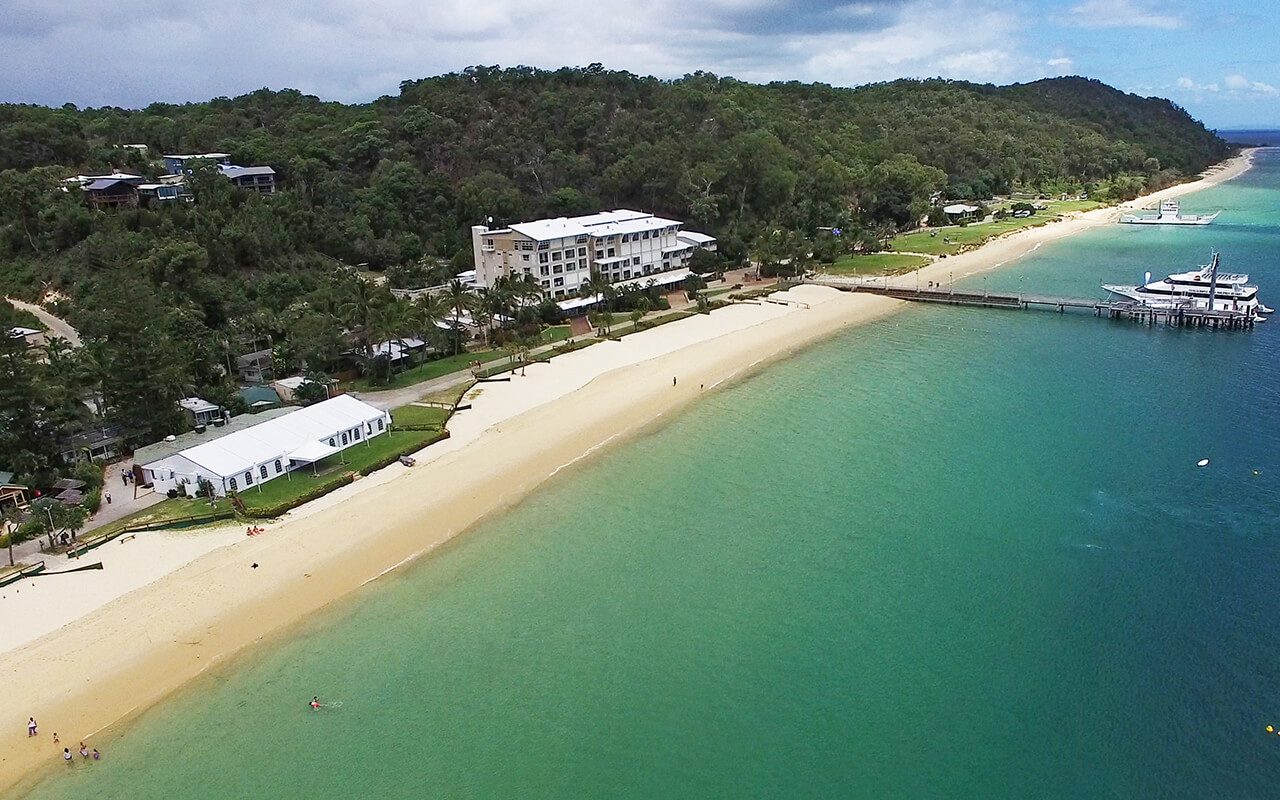
The Tangalooma Wrecks, Mount Tempest sand dune, the Desert, and Blue Lagoon are all within reach of the resort area and pair well with a day on the island.
A line of 15 scuttled ships forming a breakwater and artificial reef used for snorkeling. The wrecks were sunk between 1963 and 1984 and now host coral and fish life.
The main resort on Moreton Island offering rooms near the jetty, wrecks and dolphin feeding site.
Join thousands of happy travelers who have discovered this incredible experience
Book Your Experience Now